Protesters in Tel Aviv demanded a Jewish-Arab government on 31 October, urging opponents of Prime Minister Benjamin Netanyahu to turn their combined parliamentary majority into power, The Times of Israel reported.
Jewish-led opposition parties secured 48 seats in the 27 October election, while Ra’am and the Joint List won 19 between them. Together, they would command 67 seats in the 120-member Knesset.
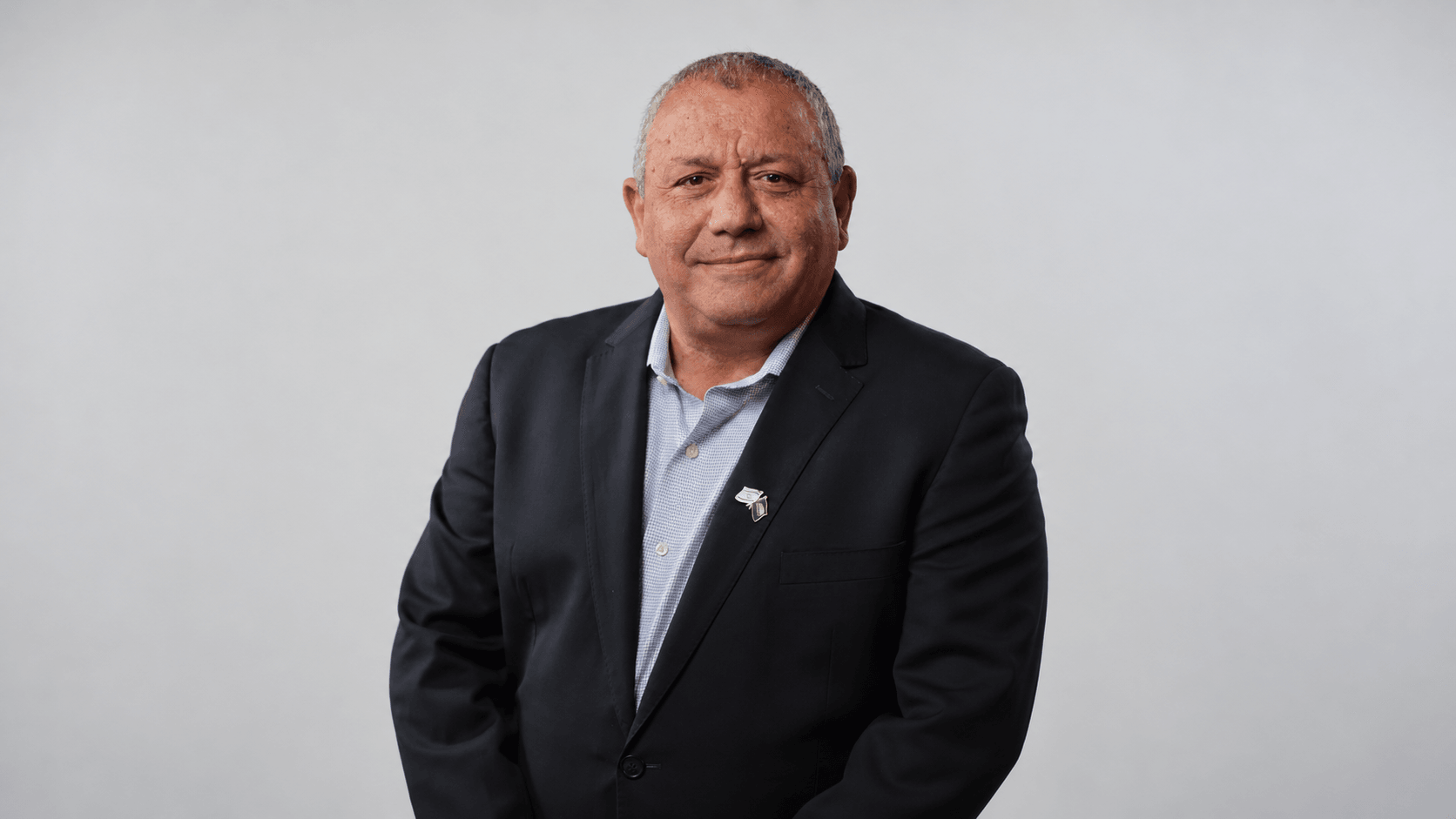
Opposition leader Gadi Eisenkot has yet to secure an agreement with the Arab parties. Several prospective partners oppose relying on their support, despite neither Jewish-led bloc winning enough seats to govern alone.
Eisenkot, a former military chief, said he would form only a “Zionist government”, according to Asharq Al-Awsat. His conditions include recognising Israel as Jewish, democratic and liberal, and recognising Hamas as a terrorist organisation.
Arab leaders have previously rejected those conditions, the newspaper reported. Arab citizens account for about 20% of Israel’s population, and their parties’ electoral gains have made their parliamentary support potentially decisive.
The Times of Israel estimated that about 2,000 people attended the Tel Aviv demonstration. Asharq Al-Awsat’s account put the number at about 500.
Demonstrators gathered at Habima Square before marching towards Rabin Square, The Times of Israel reported. Smaller demonstrations supporting Jewish-Arab cooperation took place in Jerusalem and Haifa.
The Arab parties have offered different routes to supporting an alternative administration. Ra’am leader Mansour Abbas is willing to enter government again, according to Asharq Al-Awsat.
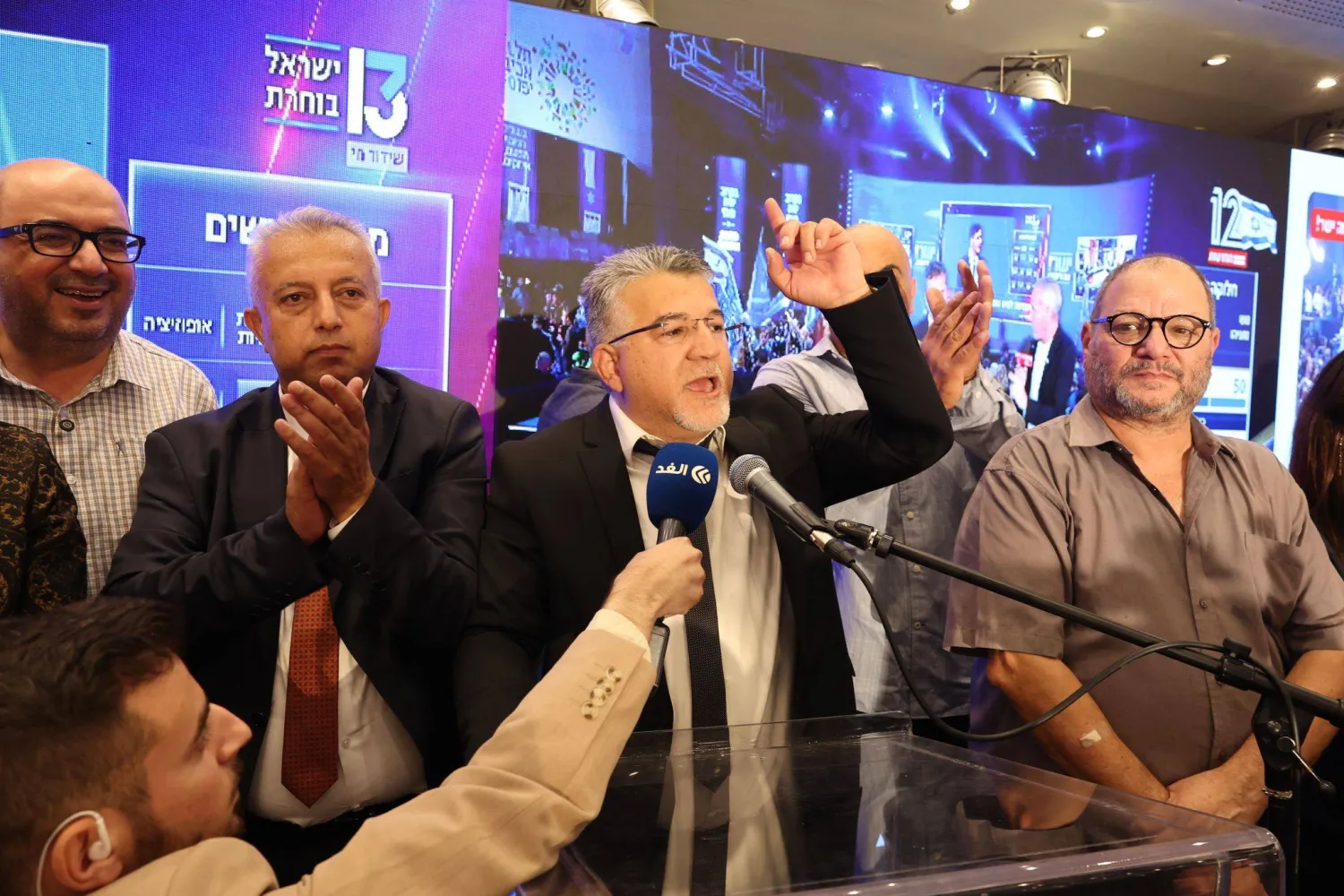
Joint List leader Yousef Jabareen told AFP he was prepared to cooperate with the opposition to remove Netanyahu while remaining outside the coalition. That would allow his party to support a government in parliament without taking ministerial posts.
Yair Golan, leader of the left-wing Democrats, supports a government backed by Arab parties and considers their exclusion racist, Asharq Al-Awsat reported. Other Jewish-led opposition parties have resisted such cooperation.
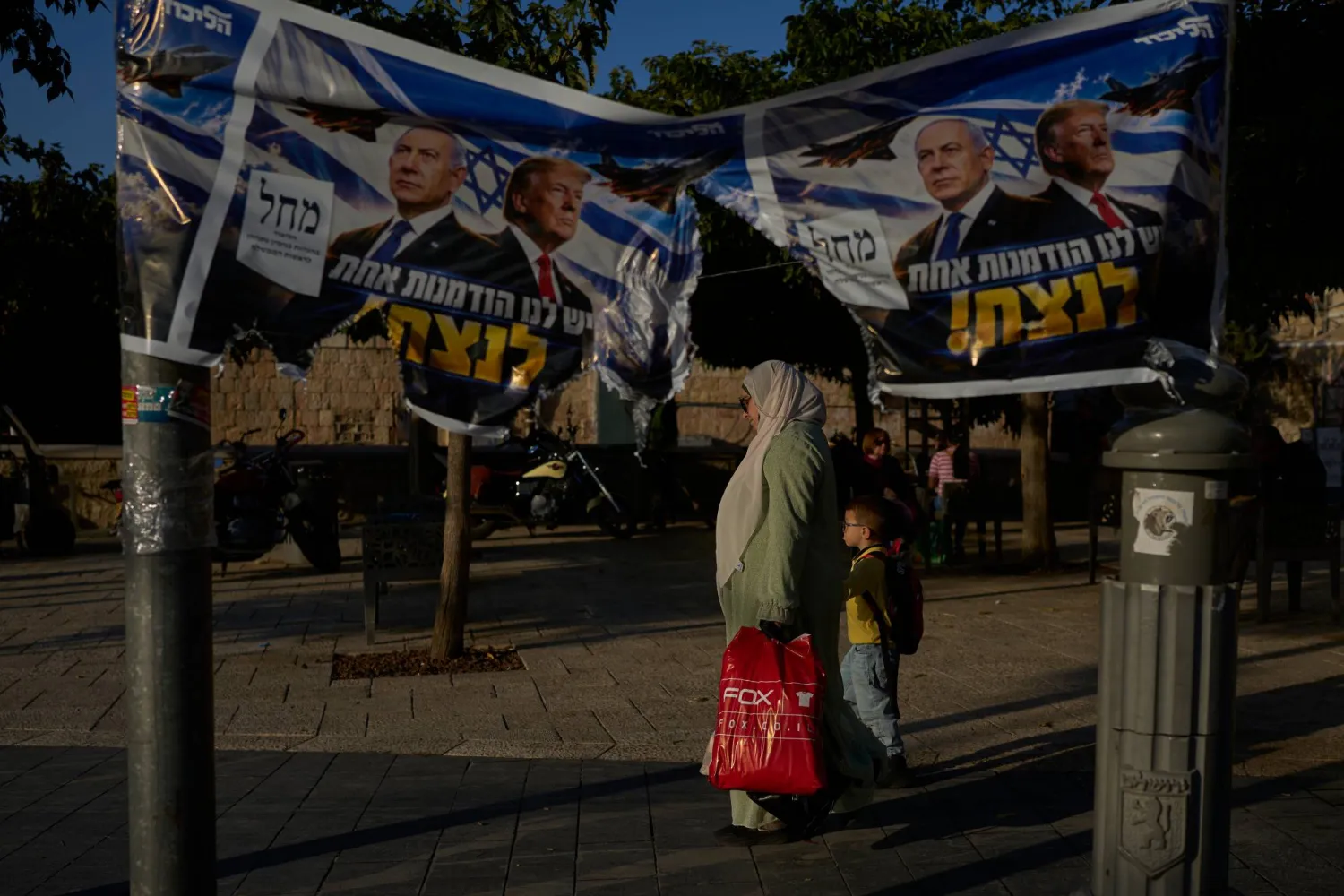
Netanyahu’s bloc won 53 seats, according to AP. His Likud party remained the largest individual party, but that did not give his allies a parliamentary majority.
A smaller counterdemonstration in Tel Aviv opposed a government dependent on Arab parties, The Times of Israel reported.
The coalition dispute has also been accompanied by allegations of foreign involvement in the election. AFP reported that Netanyahu’s camp accused Arab parties of receiving foreign funding; both Arab lists denied the accusations.
Qatar also denied funding activities intended to influence the outcome, AP reported. The allegations have not been established.
The Central Elections Committee said the investigation was limited and did not call the election results into question, according to The Times of Israel.
Ra’am previously joined the coalition that governed from 2021 to 2022, the only occasion on which an Arab-majority party formally entered an Israeli government, according to Asharq Al-Awsat.
The new Knesset is due to be sworn in on 10 November, The Times of Israel reported.