European gas prices fall as forecasts point to milder weather
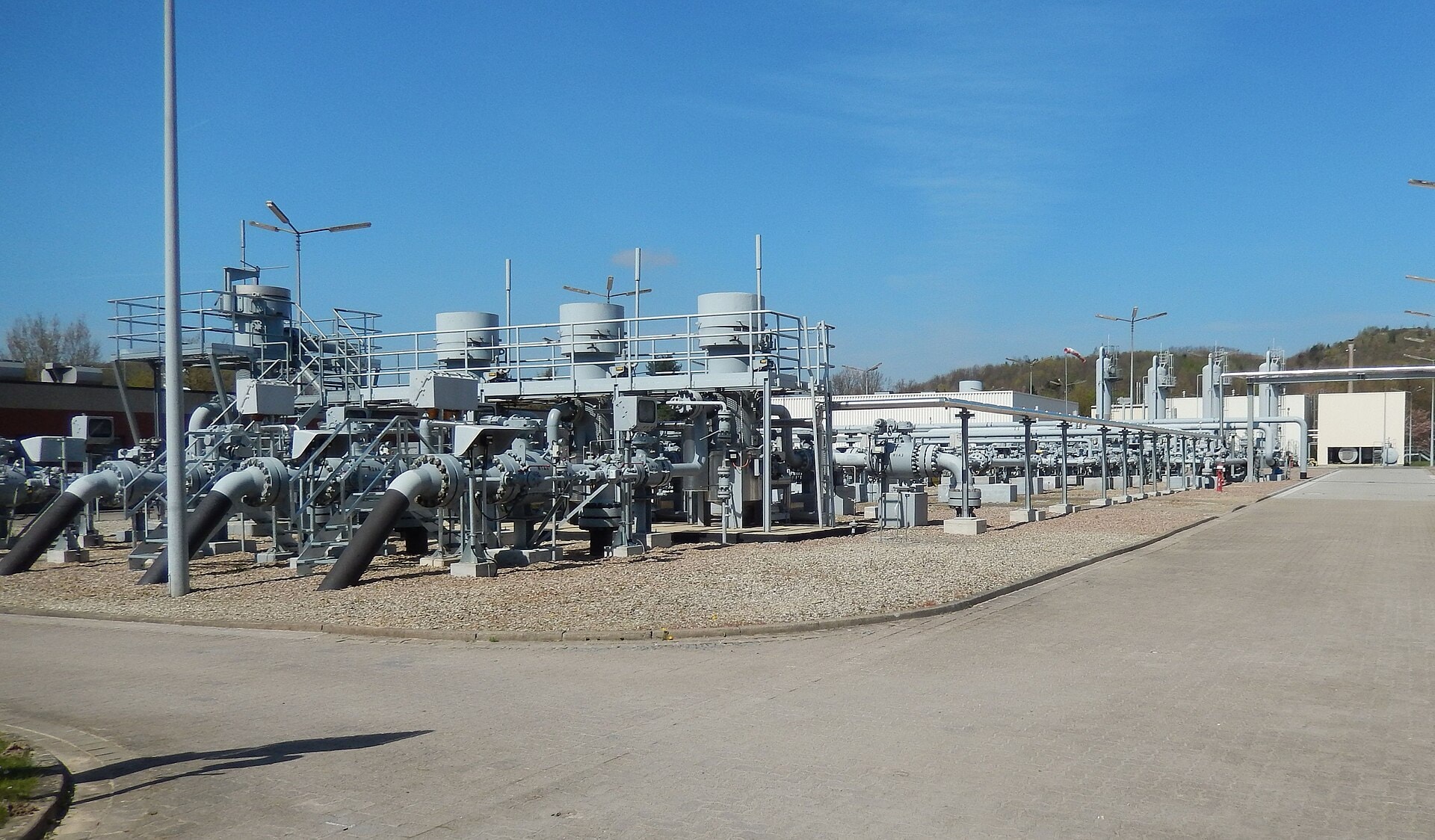
Dutch benchmark gas fell to €100.09 per megawatt hour as traders weighed easing cold against European storage levels of just 74.6%.
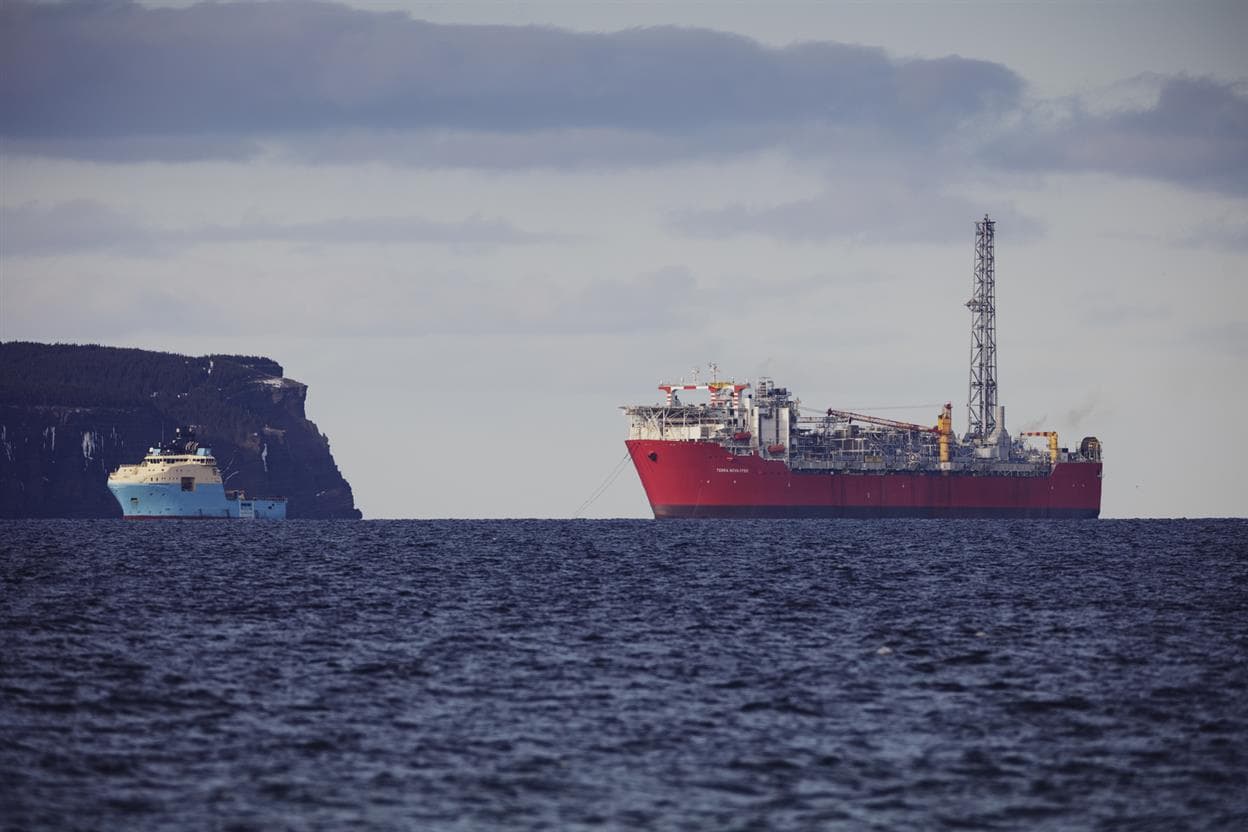
Ithaca will assume future investment and decommissioning obligations, with the offshore deal expected to close in the first half of 2027.

Talks in Niamey covered nuclear and solar power, while ownership of uranium from the nationalised Somaïr mine remains disputed.

Iran’s inflation crisis is squeezing middle-class and affluent households as falling incomes and weak liquidity erode purchasing power.

The UAE central bank barred Bank Melli Iran branches from transactions with Iran after citing regulatory and anti-money-laundering violation…

US debt has passed $40 trillion, but the dollar and Treasury market still give Washington strong access to global capital.

China’s data industry grew 15.7% in 2025, driven by rising demand for AI applications and high-quality datasets.

The Australian producer will review its Texas ammonia project and scrap a $5bn clean-energy spending goal.

The Vatican plans an agrivoltaic plant to cover its energy needs, with construction expected to take up to two years.

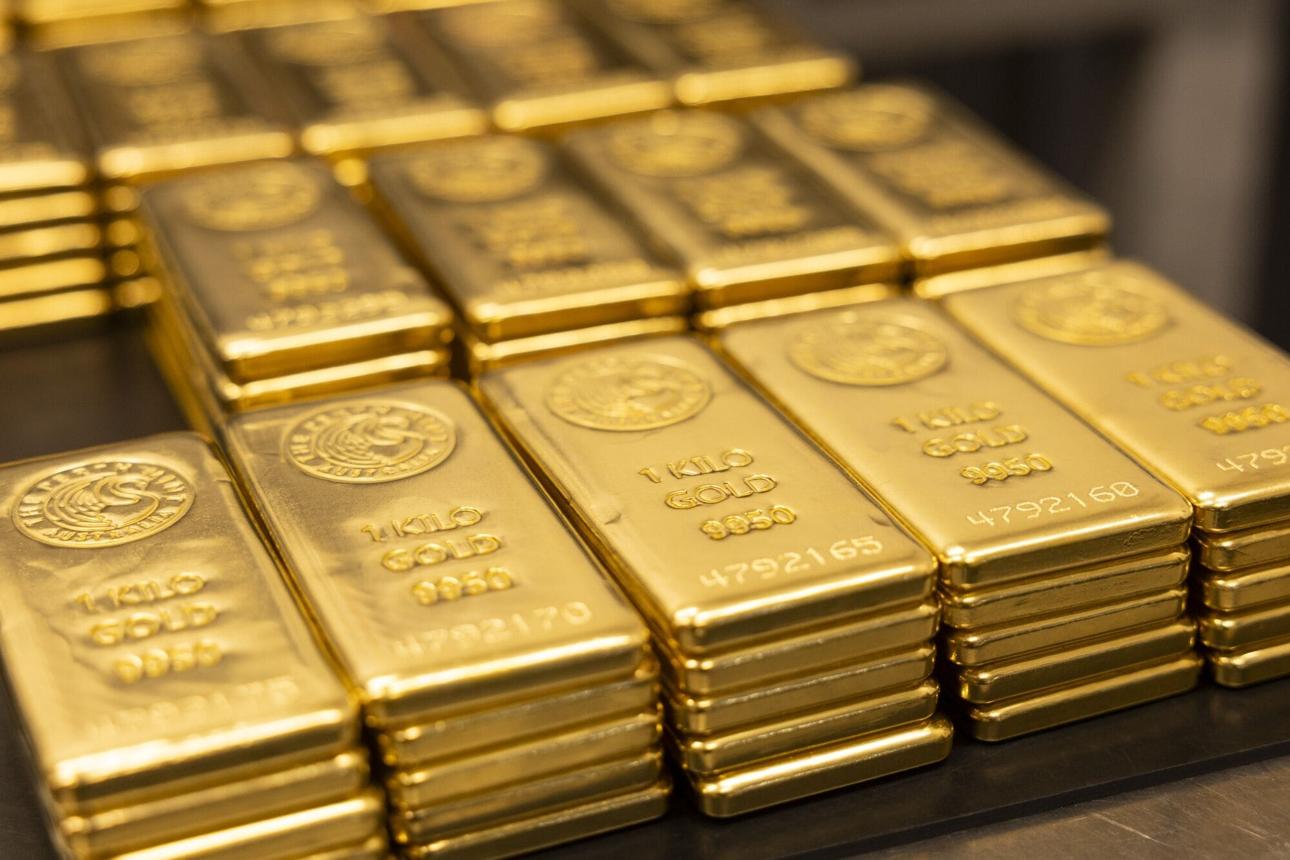
Oil gains as Hormuz tensions deepen, while gold rallies sharply before the Federal Reserve releases its latest meeting minutes.

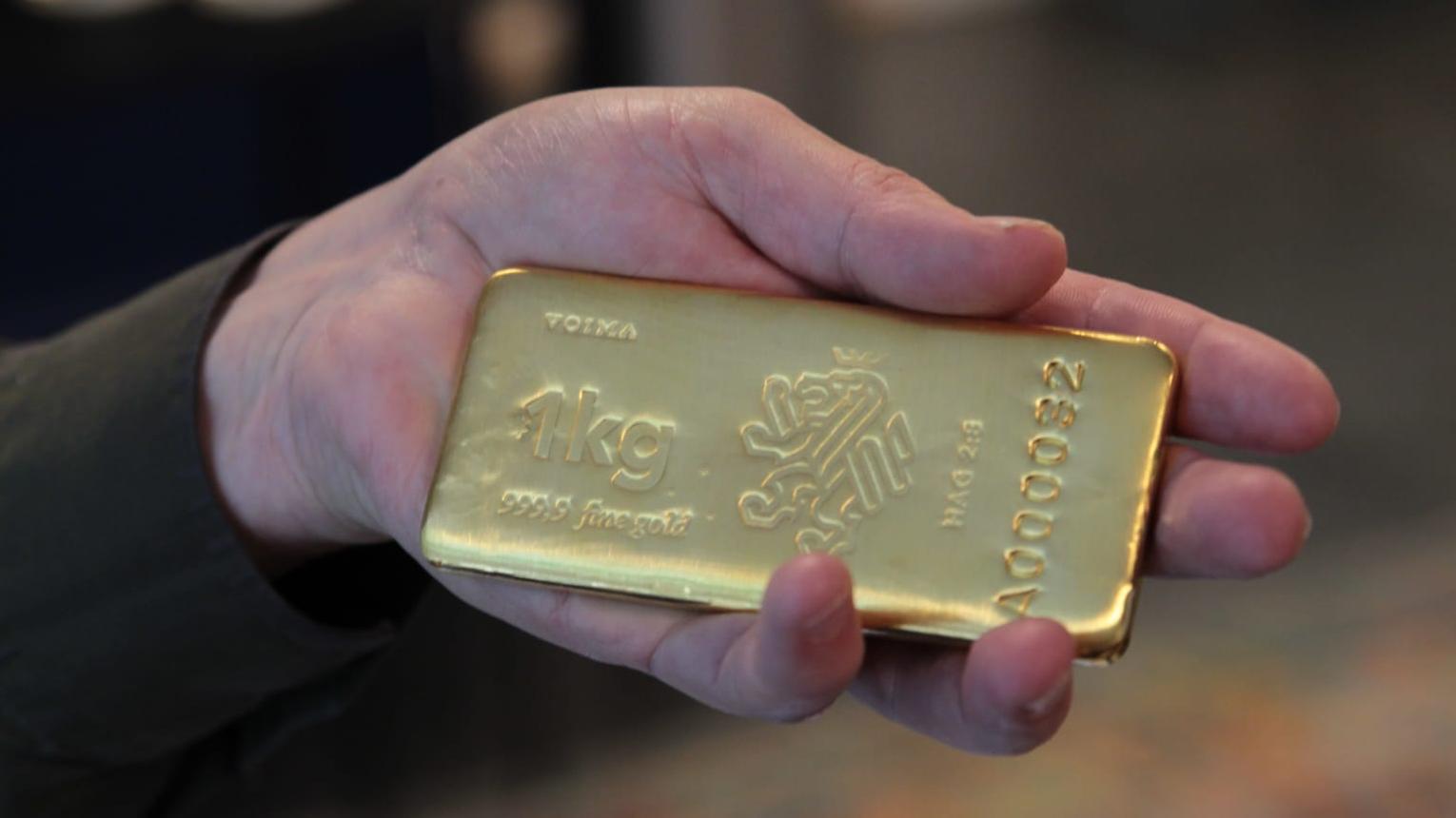
Iraqi authorities say millions in cash and gold were seized from officials under investigation.

Record-low Rhine water levels are disrupting shipping, raising freight costs and putting pressure on German industry.

Pezeshkian says lower oil sales and damaged factories are deepening Iran’s economic crisis.

The World Bank says excess shekel cash and shrinking digital liquidity are creating growing risks for Palestinian banks and trade.
News tips, story ideas and editorial questions: message the newsroom on WhatsApp at +44 7488 813779
Dutch benchmark gas fell to €100.09 per megawatt hour as traders weighed easing cold against European storage levels of just 74.6%.
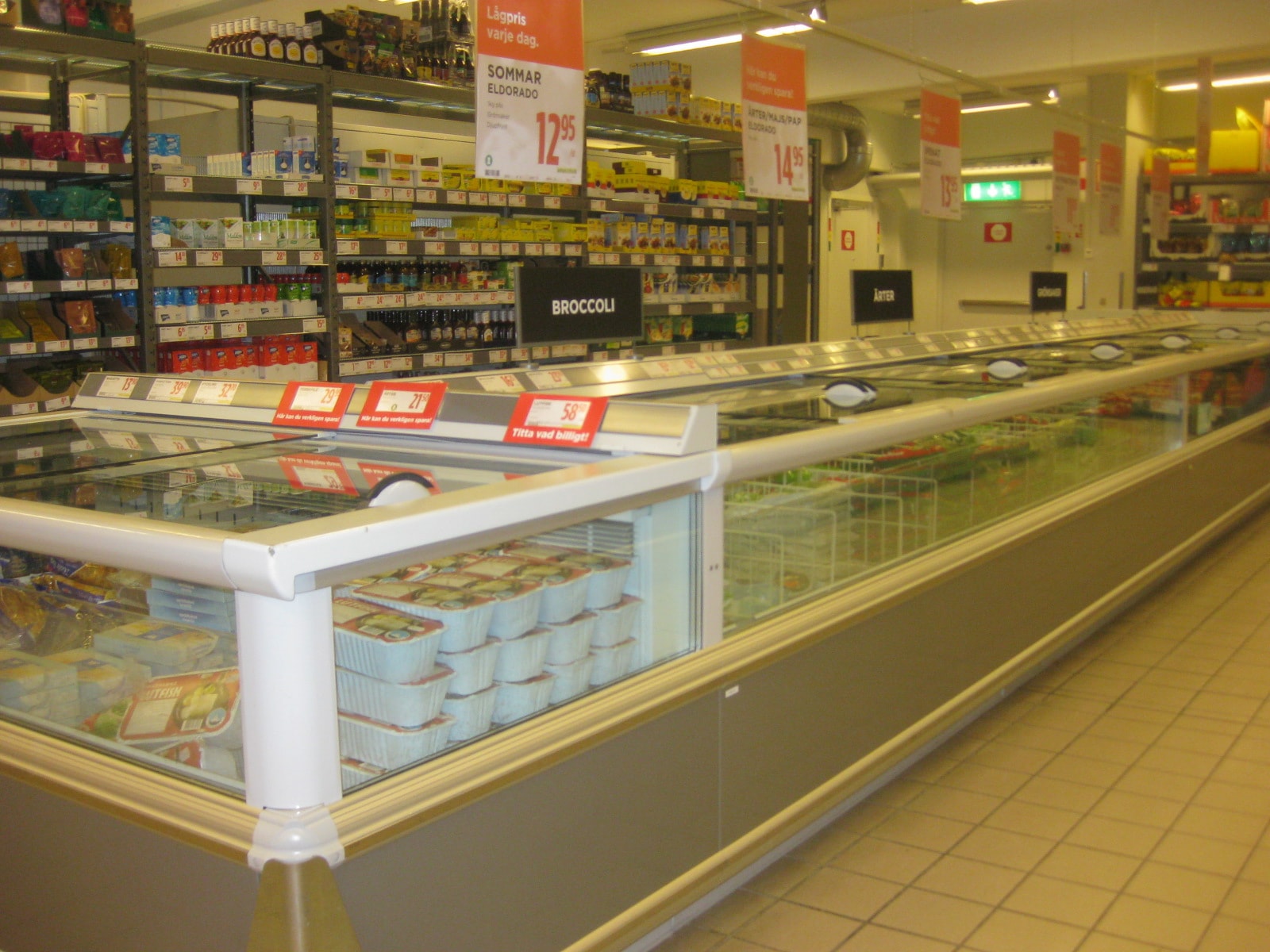
SuperValu removed chilled and frozen products from 13 Irish stores as retailers across Europe investigated failures affecting refrigeration.
Gold prices fell as a stronger US dollar weighed on demand, with investors awaiting the Federal Reserve's decision and fresh inflation data.
Gold's retreat and volatile government bonds challenge traditional safe havens as the Iran war, AI concerns and public debt unsettle markets.
Card payments and cash withdrawals were affected as failures hit Google's London cloud region, leaving engineers investigating the cause.
Ithaca will assume future investment and decommissioning obligations, with the offshore deal expected to close in the first half of 2027.
Talks in Niamey covered nuclear and solar power, while ownership of uranium from the nationalised Somaïr mine remains disputed.
Iran’s inflation crisis is squeezing middle-class and affluent households as falling incomes and weak liquidity erode purchasing power.
The UAE central bank barred Bank Melli Iran branches from transactions with Iran after citing regulatory and anti-money-laundering violations.
US debt has passed $40 trillion, but the dollar and Treasury market still give Washington strong access to global capital.
Long queues returned to Baghdad petrol stations as disrupted shipping delays fuel imports.
China’s data industry grew 15.7% in 2025, driven by rising demand for AI applications and high-quality datasets.
The Australian producer will review its Texas ammonia project and scrap a $5bn clean-energy spending goal.
The Vatican plans an agrivoltaic plant to cover its energy needs, with construction expected to take up to two years.
Oil gains as Hormuz tensions deepen, while gold rallies sharply before the Federal Reserve releases its latest meeting minutes.
The sovereign wealth fund enters a new five-year strategy focused on returns, efficiency and six domestic economic ecosystems.
Iraqi authorities say millions in cash and gold were seized from officials under investigation.
Record-low Rhine water levels are disrupting shipping, raising freight costs and putting pressure on German industry.
Pezeshkian says lower oil sales and damaged factories are deepening Iran’s economic crisis.
The World Bank says excess shekel cash and shrinking digital liquidity are creating growing risks for Palestinian banks and trade.