
Oil prices rose by about 1% on Wednesday as renewed uncertainty over the Strait of Hormuz raised concerns about crude supplies, while gold surged ahead of the release of the Federal Reserve's latest meeting minutes.
Brent crude futures were around $91.90 a barrel, while US West Texas Intermediate futures gained about 1.05% to $85.80 by late morning GMT. Brent had already risen sharply on Tuesday after US President Donald Trump said there were no talks under way with Iran and that the US naval blockade remained in place.
The latest move came after the expiry of a 60-day US-Iranian understanding without a permanent agreement. Iran has said the Strait of Hormuz would remain closed until Washington fulfils commitments under the interim arrangement, while Trump has maintained that the waterway is open and secure.
The uncertainty has kept the world's energy markets on edge. The Strait of Hormuz is a major route for global oil shipments, and disruption there can quickly affect crude prices, freight costs and expectations for inflation.
Gold moved in the opposite direction from the dollar-sensitive risk assets, with spot gold rising 3.76% to $4,496.66 an ounce in the figures cited in the supplied market data. Gold has benefited from falling US Treasury yields after a global bond sell-off pushed long-term borrowing costs higher across major economies.
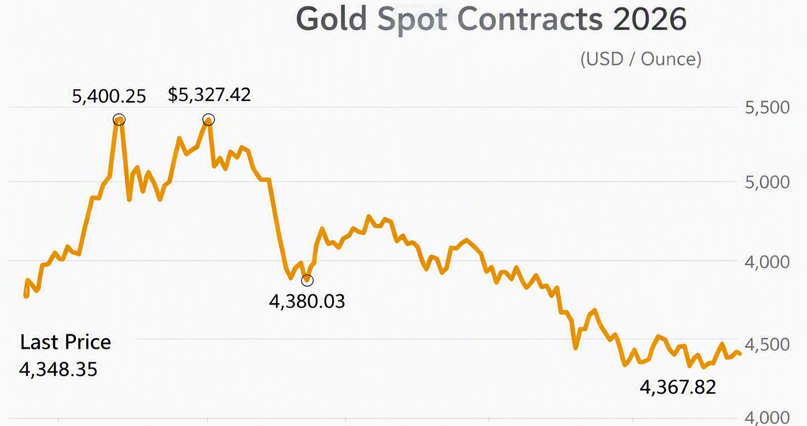
Markets were focused on the Federal Reserve's July meeting minutes, due at 6pm GMT, for clues about the central bank's next interest-rate decision. Traders have been weighing the possibility of rates remaining unchanged against renewed concerns that higher energy prices could add to inflationary pressure. Barron's reported that traders were pricing in roughly a two-thirds probability of no rate change at the September meeting.
The oil market is also awaiting the latest US inventory figures. Market estimates cited by Reuters pointed to a decline of about 600,000 barrels in crude stocks in the week ending August 14, while official figures from the US Energy Information Administration were due later on Wednesday.
Iraq, meanwhile, has been working to reduce its exposure to Hormuz-related disruption by establishing alternative arrangements for exporting crude through different routes. New contracts are scheduled to run for three months from September 1.
The wider regional conflict has kept shipping through the Gulf under pressure. Reuters reported that traffic through Hormuz had slowed sharply, while uncertainty over the waterway continued to weigh on energy markets.
Other precious metals also recorded sharp moves. Silver fell 4.22% to $66.02 an ounce, platinum rose 5.07% to $1,803.07, and palladium declined 3.32% to $1,331.72, according to the market figures supplied for Wednesday.
No comments yet. Be the first to share your thoughts.