
Iran’s economic crisis is increasingly affecting households beyond the country’s poorest groups, with high inflation, a weakening rial and disruptions linked to the war leaving some middle-class and affluent families struggling to maintain their previous standard of living.
Accounts from Tehran published by Al Jazeera this week describe people who still own valuable property, cars or businesses but have lost much of their disposable income and access to cash. The report describes the phenomenon as a form of “wealth on paper”, in which the nominal value of assets rises while their owners’ ability to spend declines.
The accounts reflect wider economic pressures documented by other sources. Iran’s year-on-year inflation rate reached 84% in August, according to the UK House of Commons Library, while the rial fell to a record low against the US dollar. The library said the economic problems that predated the 2026 conflict had been intensified by the fighting, restrictions on trade and disruptions around the Strait of Hormuz.
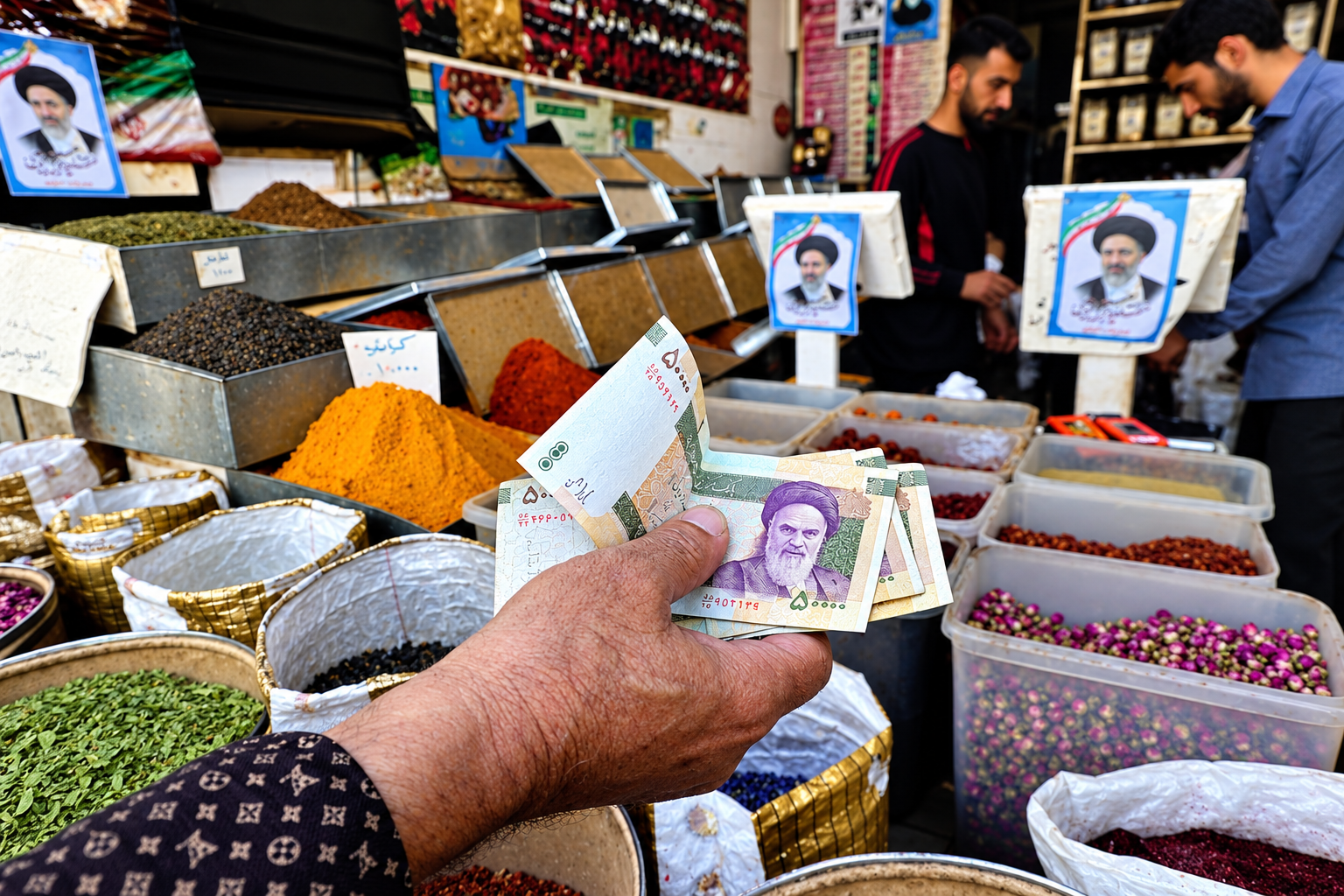
The Washington Post reported this month that inflation had remained above 80% for months, while the rial had fallen to more than 2.3 million to the US dollar. It also reported shortages of fuel and electricity and growing pressure on Iran’s access to foreign currency.
When assets no longer provide security
Among the people interviewed by Al Jazeera was a 52-year-old Tehran businessman identified as Reza. He said he owns expensive property and several cars but lost his main source of income after his industrial workshop was affected by the war.
He told the publication that he was considering selling a luxury car but had been unable to find a buyer willing to pay its previous value. He also said rising financial pressure had made private medical treatment for his wife and university costs increasingly difficult to cover. These are individual accounts and do not by themselves establish how widespread the experience is across Iran.
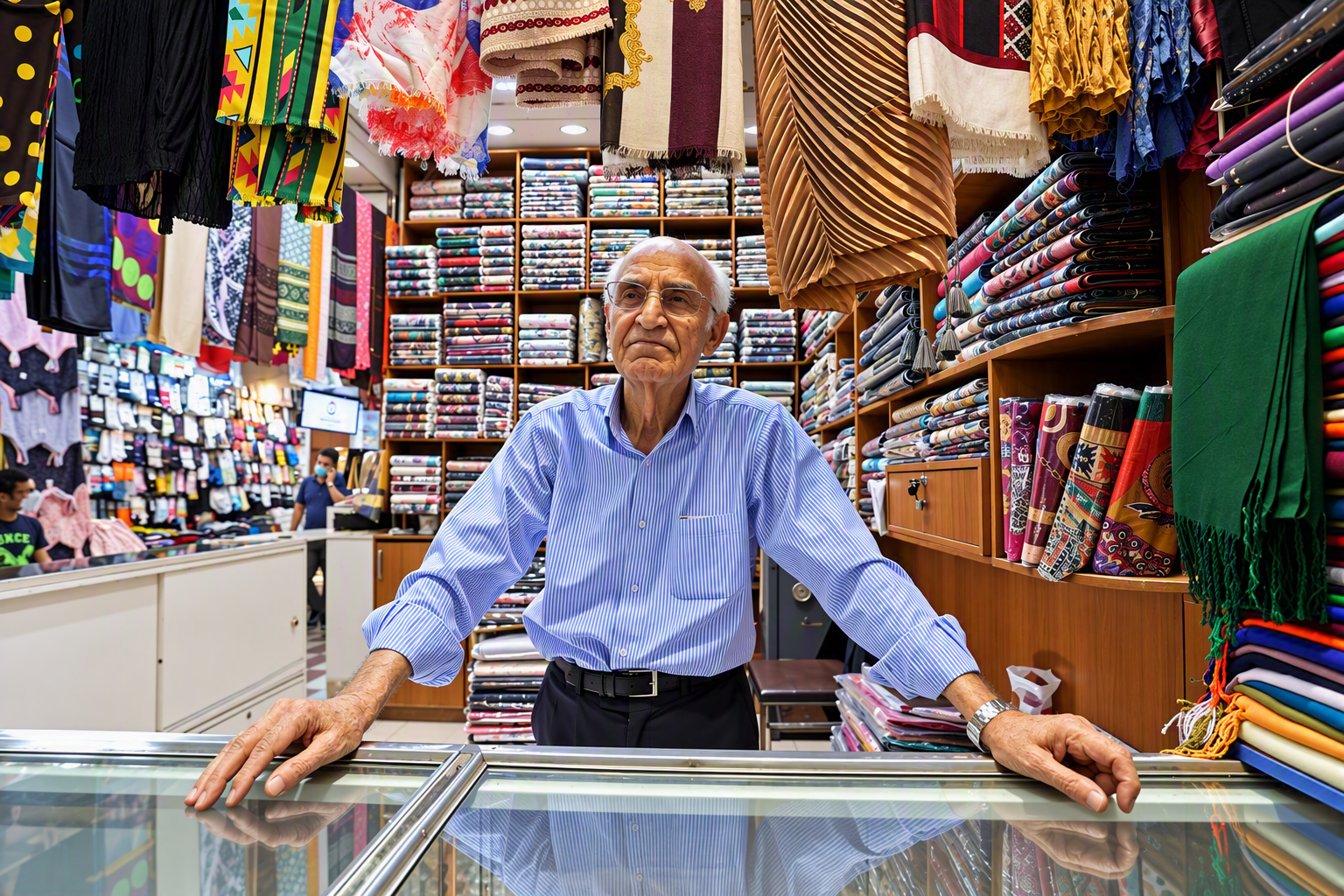
Another Tehran business owner, identified as 59-year-old Mahtab, said her company was still operating but at about one-third of its previous capacity. She attributed the decline to higher costs, disrupted communications and difficulties maintaining contact with customers and suppliers.
Her account is consistent with broader reporting on the disruption facing Iranian businesses. The Financial Times reported this month that Iran has increasingly shifted trade from sea routes to land corridors to bypass the US maritime blockade, but that the change has increased transport costs and logistical difficulties.
The gap between wealth and income
An academic interviewed by Al Jazeera, identified as Kamran, said university salaries had failed to keep pace with inflation. He argued that rising nominal prices for property, vehicles and gold can make people appear wealthier while their incomes lose purchasing power.
Economically, the distinction is important: owning an asset is not the same as having sufficient liquid income to meet recurring expenses. A property may retain or increase its nominal value, for example, while converting it into cash quickly may involve a substantial loss or prove difficult during a weak market.
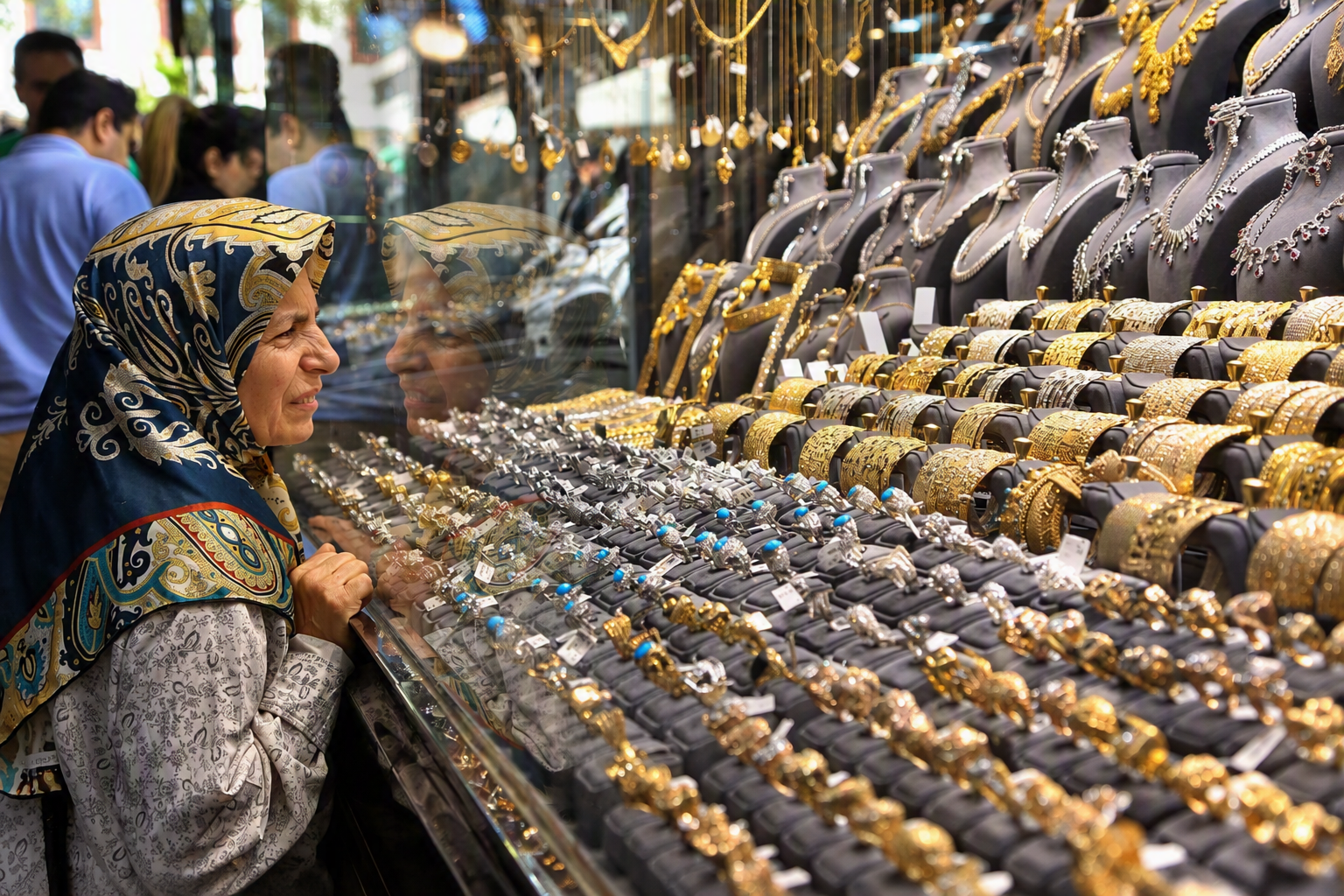
Iran’s currency collapse has intensified that gap. Al Jazeera reported in August that the rial had fallen beyond two million per US dollar on the free market, while the minimum wage for the current Iranian year was worth roughly $82 at the exchange rate used in its report.
Other reporting has documented the same pressure among workers and small businesses. The National reported in August that merchants in Tehran were facing weaker consumer demand, rising rents and higher costs as the rial passed two million per dollar.
A wider squeeze on living standards
Economic researcher Ali Saadouni, quoted by Al Jazeera, described the pressure on middle-class and affluent households as an extension of the broader economic crisis. He attributed it to the combined effects of war, sanctions, inflation and economic uncertainty, and warned of possible social consequences. Those assessments are his own and are not independently established forecasts.
The deterioration is also visible among households with lower incomes. Iran International reported this month that Iranian officials had acknowledged the widening gap between wages and living costs, while medicine prices and basic food costs had risen sharply.
Iran’s central bank has disputed some descriptions of the country’s financial position. Governor Abdolnaser Hemmati said in September that Iran retained sufficient foreign-currency resources, while acknowledging that sanctions and the maritime blockade had created economic difficulties.
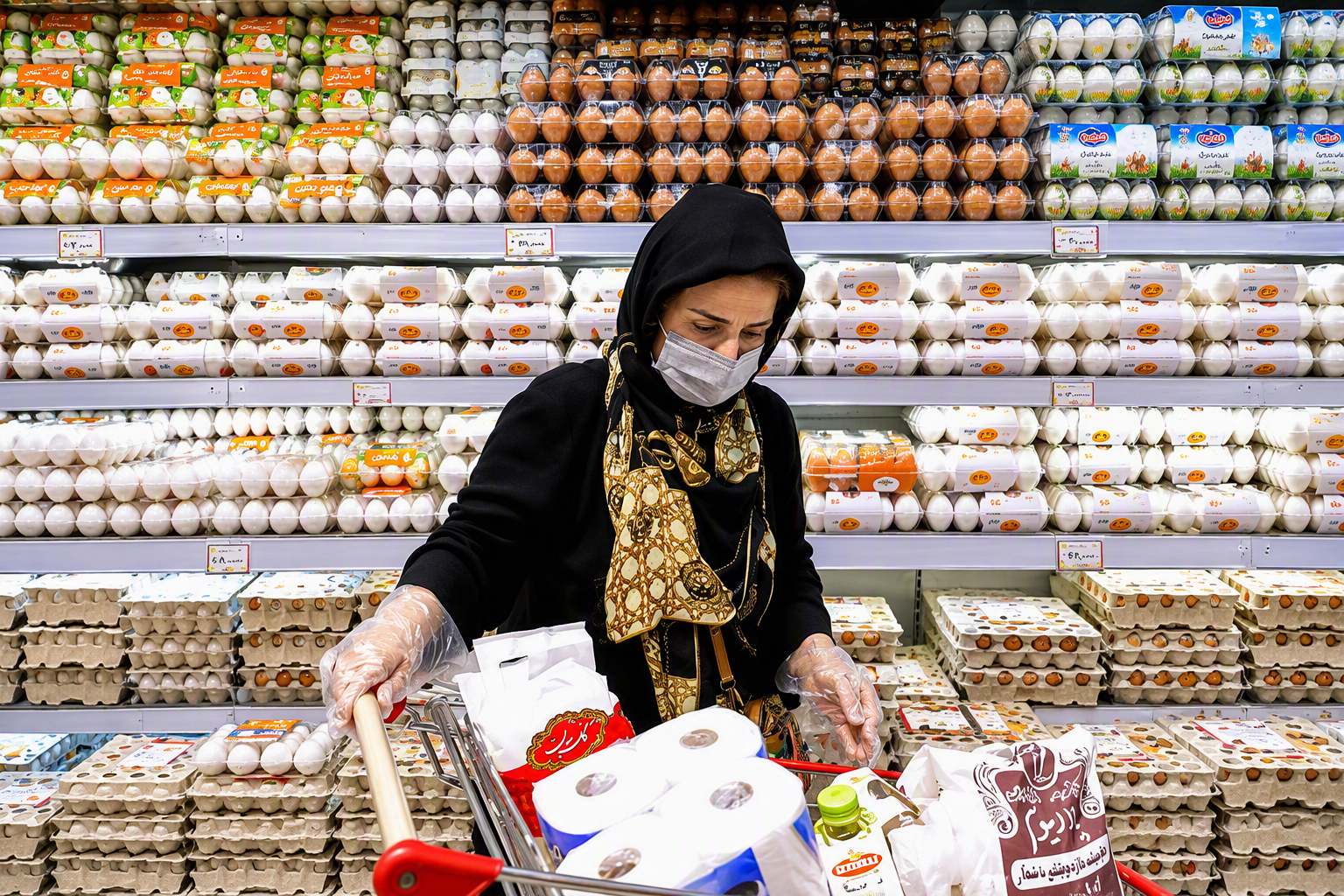
The evidence therefore points to a broad deterioration in purchasing power, but the extent to which affluent households are actually falling below formal poverty thresholds remains difficult to quantify. What is clearer is the growing separation between the nominal value of assets and the income available to their owners — a distinction that has become increasingly visible as Iran’s inflation and currency crisis deepen.
No comments yet. Be the first to share your thoughts.