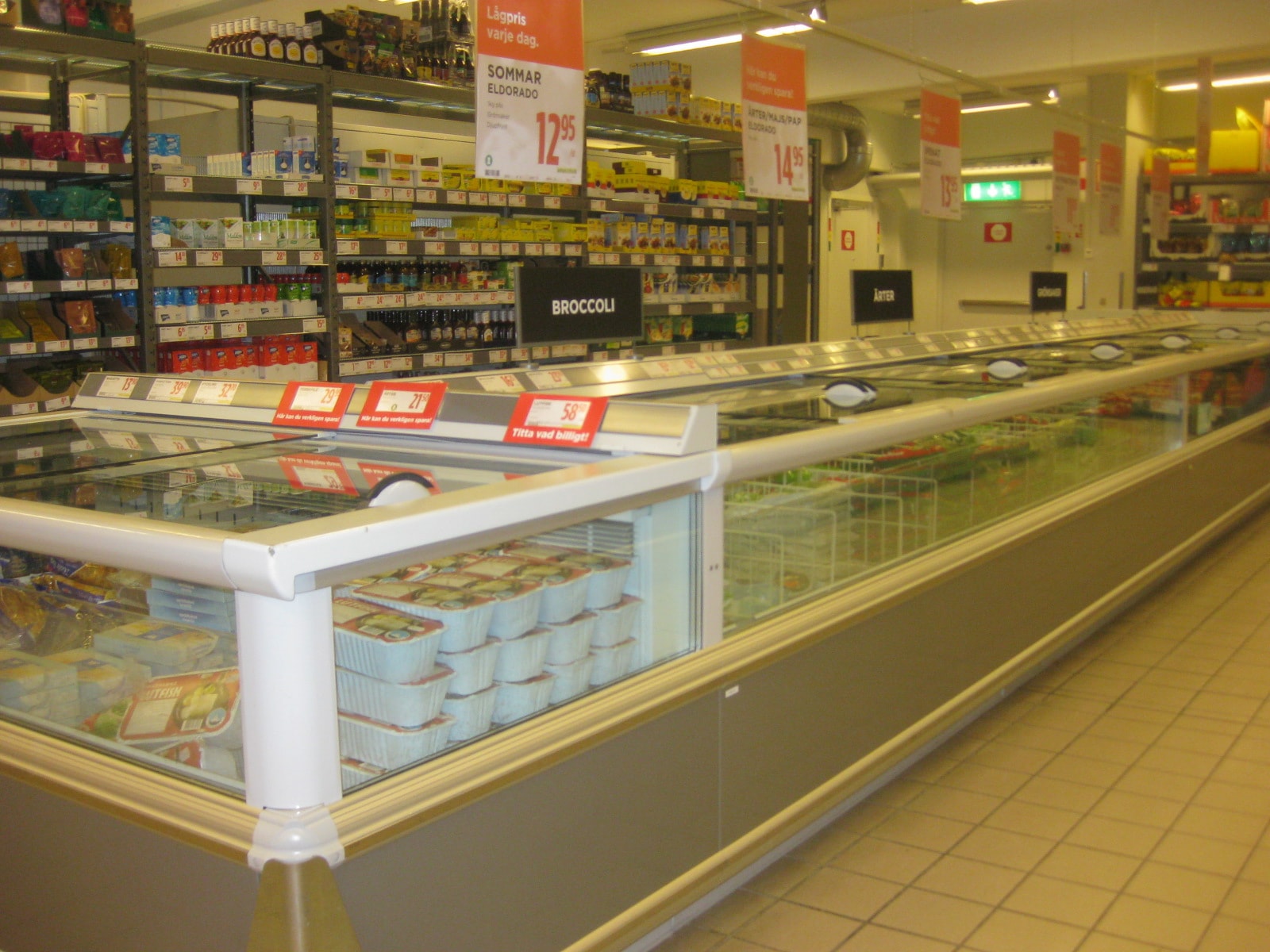
European supermarkets withdrew chilled and frozen food after overnight refrigeration failures and suspected cyberattacks, according to company accounts reported by Reuters, AP and The Journal on 2 November 2026.
Musgrave said a cyber incident affected refrigeration equipment at 13 SuperValu stores in Ireland. Chilled and frozen products were removed from sale as a precaution, the company told The Journal.
In Estonia, Selver communications chief Mariann Järvela told public broadcaster ERR that one outlet had been attacked. “This was the last Selver store where the new system had not yet been taken into use,” she said.
The disruption follows attacks on hundreds of French supermarkets in October. France’s cybersecurity agency issued an alert on 12 October about compromised refrigeration controllers and updated its recommendations on 16 October.
The latest company accounts distinguish confirmed cyber incidents from temperature problems whose causes remain under investigation. No common perpetrator or coordinated campaign has been established in the reporting reviewed.
At the affected Estonian outlet, attackers changed a freezer’s setting to 50°C, Jann Mutso, head of refrigeration technology supplier Kitman Coldtech, told ERR. Its actual temperature rose only two to three degrees.
Staff responded within about 10 minutes, preventing damage to products, Mutso said. Selver said its technical partner detected the attack quickly and the store suffered no damage.
In Belgium and Luxembourg, Delhaize reported refrigeration problems at several dozen stores, mostly in Belgium, according to AP. Spokesperson Sarah De Meester said deliveries and distribution centres continued operating normally.
Carrefour said a cyberattack on refrigeration installations affected 15 of its more than 700 Belgian stores, with limited impact, AP reported.
Stephan Moelans, chief executive of Belgian refrigeration company Sabcobel, told the Belga news agency that attackers had switched refrigeration evaporators into defrost mode, according to Reuters. Sabcobel operates Delhaize’s systems.
Colruyt Group, which runs Spar stores in Belgium through franchises, said refrigeration systems at five shops had been attacked, Reuters reported.
In Sweden, ICA acknowledged an overnight incident at a limited number of stores. An ICA outlet in Sjöbo said its refrigeration equipment had been set to 50°C, according to Reuters.
Coop told Swedish newspaper Aftonbladet that six stores were affected, Reuters reported. John Billow, head of Sweden’s national cybersecurity centre, told Reuters the centre was examining several grocery refrigeration incidents.
In Finland, Kesko security chief Petri Käyhkö said a few smaller grocery stores experienced abnormal refrigeration temperatures and online interference had not been ruled out, according to Asharq Al-Awsat.
Musgrave said the Irish incident involved a specific refrigeration equipment model. It was working with suppliers and cybersecurity specialists, and said products remaining on sale had been stored safely, The Journal reported.
There were signs of recovery at individual shops. The Journal found refrigerators operating again and being restocked at SuperValu’s Lucan branch, with milk and butter available before lunchtime.
France’s CERT-FR alert identifies affected controller families from Danfoss, Copeland and Dixell. It advises operators to remove directly exposed management interfaces from the internet and restore access through protected networks.
The agency also warns that resetting compromised equipment alone is insufficient if it remains exposed and no longer receives security updates.