Israelis voted on 27 October in a closely contested parliamentary election that could end Prime Minister Benjamin Netanyahu's rule after years of war and political division.
The election, the first since the Hamas-led attack on 7 October 2023, has brought Netanyahu into a contest with former military chief Gadi Eisenkot, whose centrist Yashar party is seeking to replace his governing coalition.
Voter participation reached 16.7% during the first three hours, the highest early turnout recorded since 1981, according to figures from Israel's Central Elections Committee reported by Reuters.
"I am convinced that by the end of today, we will see a change — a new spirit for the State of Israel," Eisenkot said during a visit to Kibbutz Nir Oz in southern Israel, according to Reuters.
The vote follows three years in which Israel fought wars in Gaza, Lebanon and Iran, while Netanyahu faced criticism over the security failures preceding the October 2023 attack.
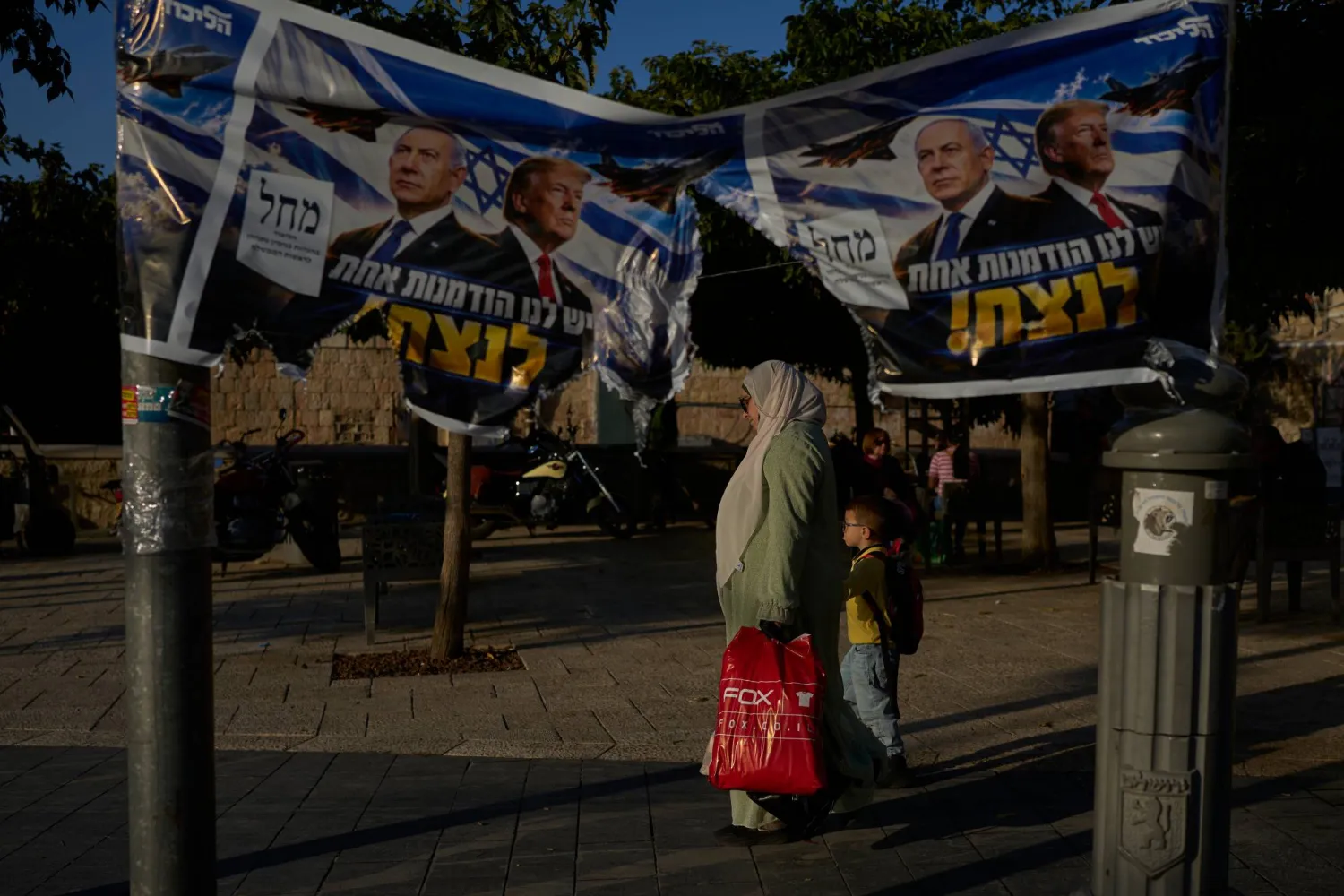
Netanyahu has defended his wartime leadership and urged his supporters to vote for Likud. His campaign has emphasised Israel's military operations and his ability to confront security threats.
When will the election results be known?
Most polling stations opened at 7 a.m. local time and are scheduled to close at 10 p.m., when Israeli television networks will publish exit polls offering the first indication of the results.
The official vote count will begin to emerge after polling closes, but early projections will not necessarily establish which political leader can form a government.
The Central Elections Committee is expected to complete counting in the days following the vote. Reuters reported that the final tally was expected by 30 October, while the official results are scheduled for publication on 4 November.
The outcome could remain politically unresolved even after the number of seats won by each party becomes clear.
Why could forming a government take weeks?
Israel uses proportional representation to elect the 120 members of the Knesset, its parliament.
Political parties must receive at least 3.25% of the national vote to qualify for parliamentary seats. Votes cast for parties below that threshold do not give those parties representation.
Around a dozen parties are expected to cross the threshold, according to Reuters, leaving both Netanyahu and Eisenkot dependent on potential coalition partners.
A governing majority requires at least 61 seats, a target that neither leading political camp is assured of reaching.
Smaller parties could therefore determine the next prime minister, even if they receive only a limited share of the national vote.
How will the next prime minister be chosen?
Once the results are finalised, Israeli President Isaac Herzog will consult parliamentary party leaders about their preferred candidate for prime minister.
Herzog will then assign the task of forming a government to the politician he considers most capable of assembling a parliamentary majority.
The designated candidate can receive up to 42 days to negotiate a governing coalition.
If that attempt fails, another politician may be given an opportunity to form a government. Should the process ultimately fail, Israel could face another election, with the existing administration continuing in a caretaker capacity.
What is at stake for Netanyahu and his opponents?
Netanyahu's campaign has focused heavily on national security and his record during the conflicts that followed October 2023.
Eisenkot, who previously served in Netanyahu's wartime cabinet, has criticised the government's handling of the Gaza war and called for accountability over the October 2023 security failures.
The question of military conscription has also divided voters. Netanyahu's ultra-Orthodox political allies have sought exemptions for religious students, while Eisenkot has pledged to end the existing exemptions, according to the Associated Press.
The future of Gaza and relations with Palestinians have received comparatively limited attention in the main election campaigns, despite the continuing consequences of Israel's military offensive.
The vote also comes as Israel faces international criticism over its conduct in Gaza and its policies in the occupied West Bank.
Whatever the final distribution of seats, the next government will depend on negotiations among parties with competing political and religious priorities.
Official election results are scheduled to be published on 4 November, after which the formal process of choosing a candidate to form the next government can proceed.