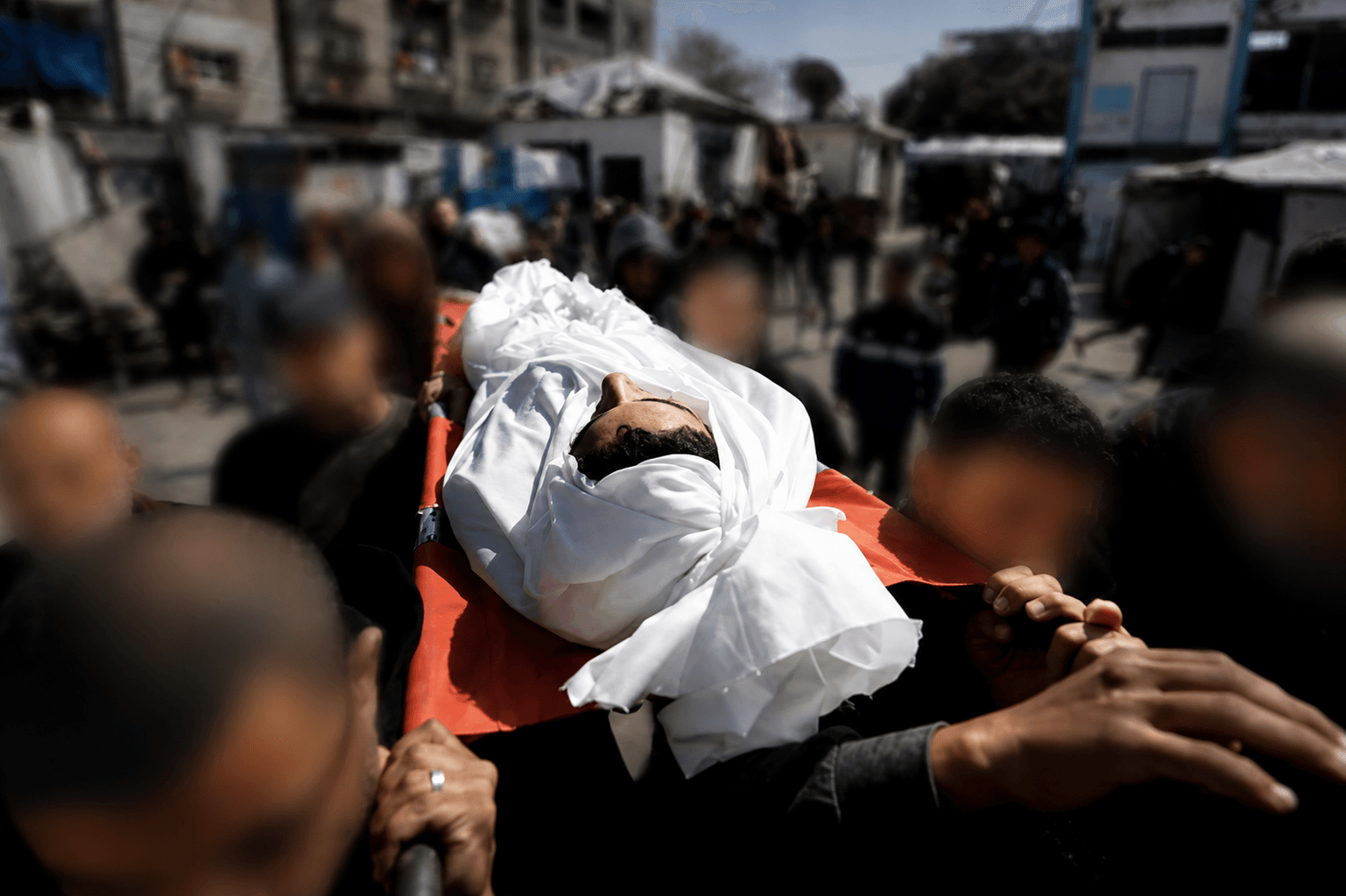
One Palestinian was killed and two others injured in an Israeli airstrike near Salah al-Din Street in central Gaza on Sunday, according to Palestinian medical sources, as Gaza's health authorities warned that a severe shortage of oxygen is putting critical hospital services at risk.
The strike took place near the Maghazi area, according to the Palestinian news agency WAFA. The reported casualties were received by hospitals in the Gaza Strip.
Medical sources said on Sunday that Gaza hospitals had received one body and five injured Palestinians over the previous 48 hours. The figures reported for the latest incident and the wider 48-hour period therefore differ, with the single strike near Salah al-Din Street accounting for one death and two injuries.
The latest death brings the number of Palestinians reported killed since the ceasefire took effect on 11 October 2025 to 1,286, while 4,257 have been injured, according to Gaza medical sources cited by WAFA. The reported overall death toll since 7 October 2023 stands at 73,420, with 174,369 injured.
The strike comes as the ceasefire continues to face repeated reported violations. US President Donald Trump said on 17 August that Israel should not be carrying out strikes in Gaza, according to an interview reported by Fox News, while his envoy Jared Kushner has been pursuing a US-backed roadmap with Israeli and Palestinian representatives.
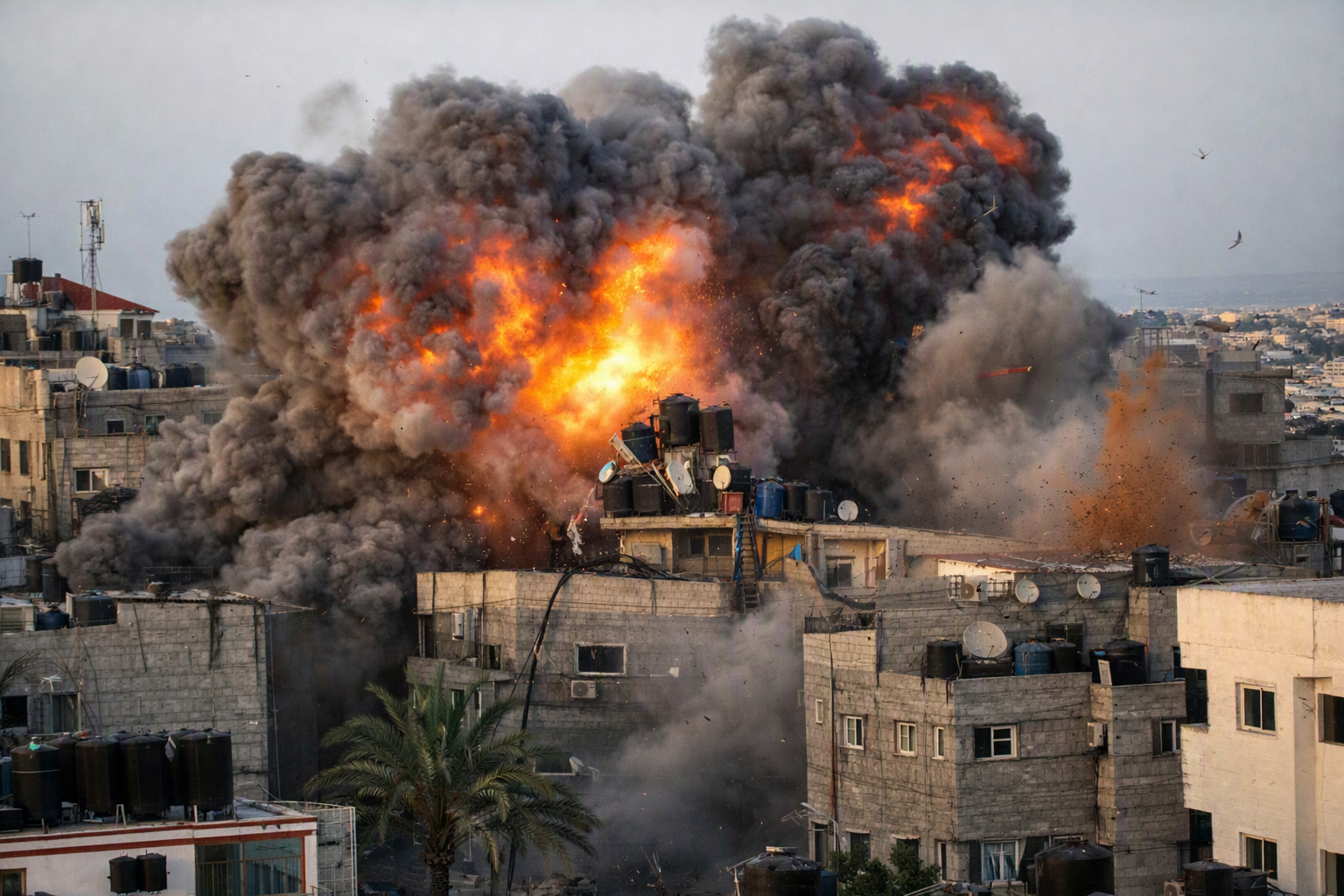
The humanitarian pressure is also being felt inside Gaza's hospitals.
On 15 August, the Palestinian Health Ministry warned that the territory's oxygen supply was approaching a complete breakdown. It said only 12 of 34 oxygen stations remained operational, while just four of 30 oxygen-cylinder filling devices were still working. The ministry said the remaining stations were operating under severe technical and mechanical pressure and could stop because of a lack of spare parts and maintenance capacity.
Oxygen is essential for intensive-care units, operating theatres, emergency departments and neonatal care. The ministry said the shortage also affects patients receiving oxygen treatment at home and called for spare parts, technical equipment and new oxygen stations to enter Gaza urgently.
The warning comes alongside wider shortages of medicines and medical supplies. Health officials said in August that the health system was operating under severe pressure, with damaged equipment, unreliable power supplies and shortages of fuel and spare parts limiting hospitals' ability to provide treatment.
Mohammed Abu Salmiya, director of Al-Shifa Medical Complex, said on 22 August that shortages had exceeded 52% for essential medicines, 70% for medical consumables and 80% for laboratory materials, according to remarks reported by Al-Najah News. He said more than 21,000 patients and wounded people needed treatment outside Gaza, including about 4,000 cancer patients and more than 10,000 people requiring advanced surgery.
Abu Salmiya also said about 350,000 people with chronic illnesses were not receiving their medicines regularly and warned that shortages of generator fuel, lubricants and spare parts, including components needed for oxygen systems, could affect intensive care, neonatal units, operating theatres and emergency departments.
The Health Ministry has called for urgent access for medical supplies, generator components and oxygen equipment as hospitals continue to treat patients amid the latest violence and a prolonged shortage of essential resources.


