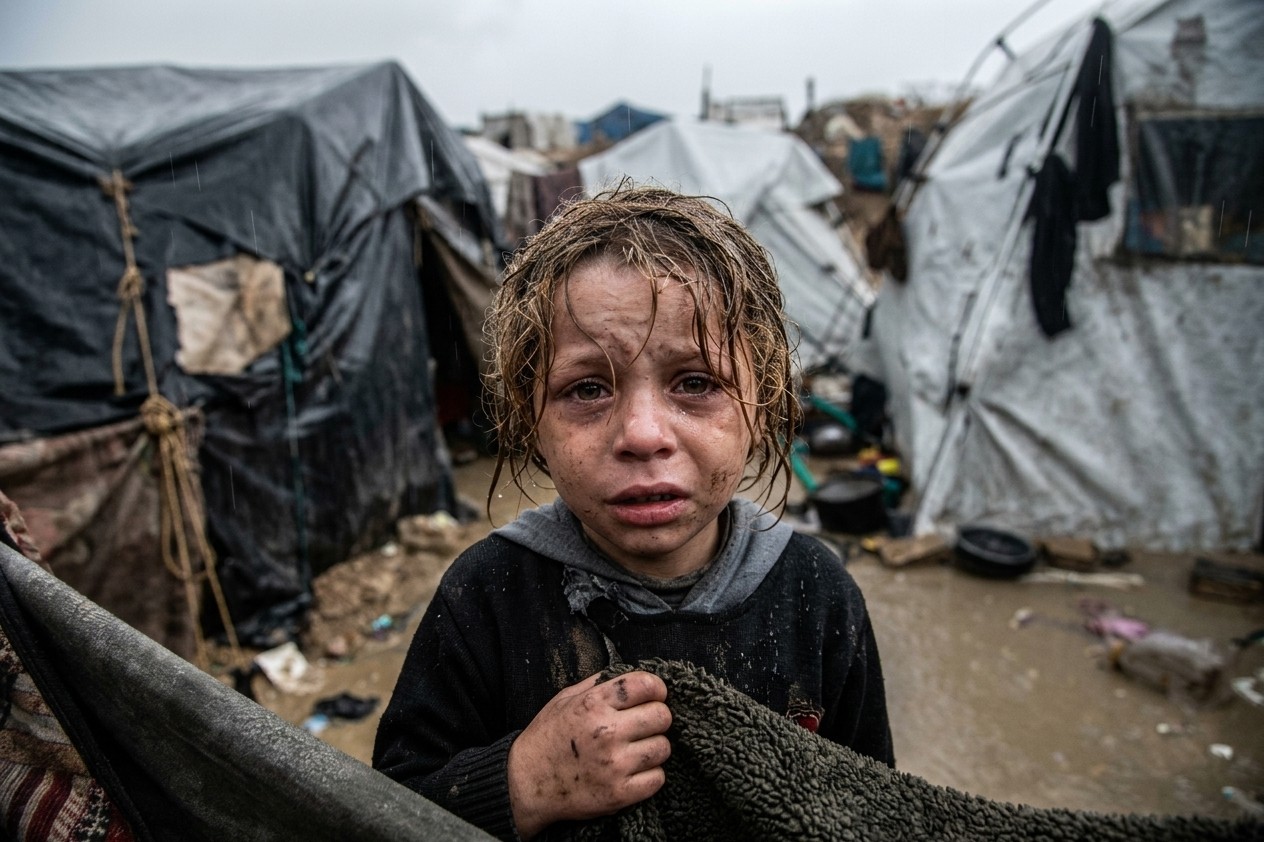
For families already displaced by the war, the storm has left few options beyond repairing damaged tents or sharing whatever shelter remains available.
Tamer Hanif, 35, who lives with his wife and seven children, was forced to send his family to his parents' accommodation after rainwater entered their tent in western Gaza City.
His family had been displaced from the Sheikh Radwan neighbourhood after their homes were destroyed. He remained behind to recover their belongings and try to repair the damaged shelter.
"I find myself unable to provide even a dry corner for seven lives under my responsibility. Our tent is no longer habitable, and I have no alternative," Hanif told Al Jazeera Net.
Families share what little shelter remains
Samaaher Shaheen, 31, who was displaced from northern Gaza, had spent months reinforcing her tent with iron supports and plastic sheeting in an effort to withstand harsh weather.
But the rainfall overwhelmed the shelter, forcing her and her children to move temporarily into a neighbour's tent.
She told Al Jazeera Net that the cost of moving again and the absence of alternative accommodation made another displacement impossible.
Shaheen said her family would borrow clothes and blankets while waiting for their belongings to dry before attempting to repair their shelter.
Another displaced resident, 74-year-old Ismail Abu Ajwa, said floodwater had swept through his family's tent near the coast, soaking their mattresses and leaving them exposed to the cold overnight.
The family had nowhere else to go. Abu Ajwa told Al Jazeera Net that a young relative with Down syndrome had nearly drowned while sleeping as water entered the tent, but his brother managed to rescue him.
Thousands of shelters damaged
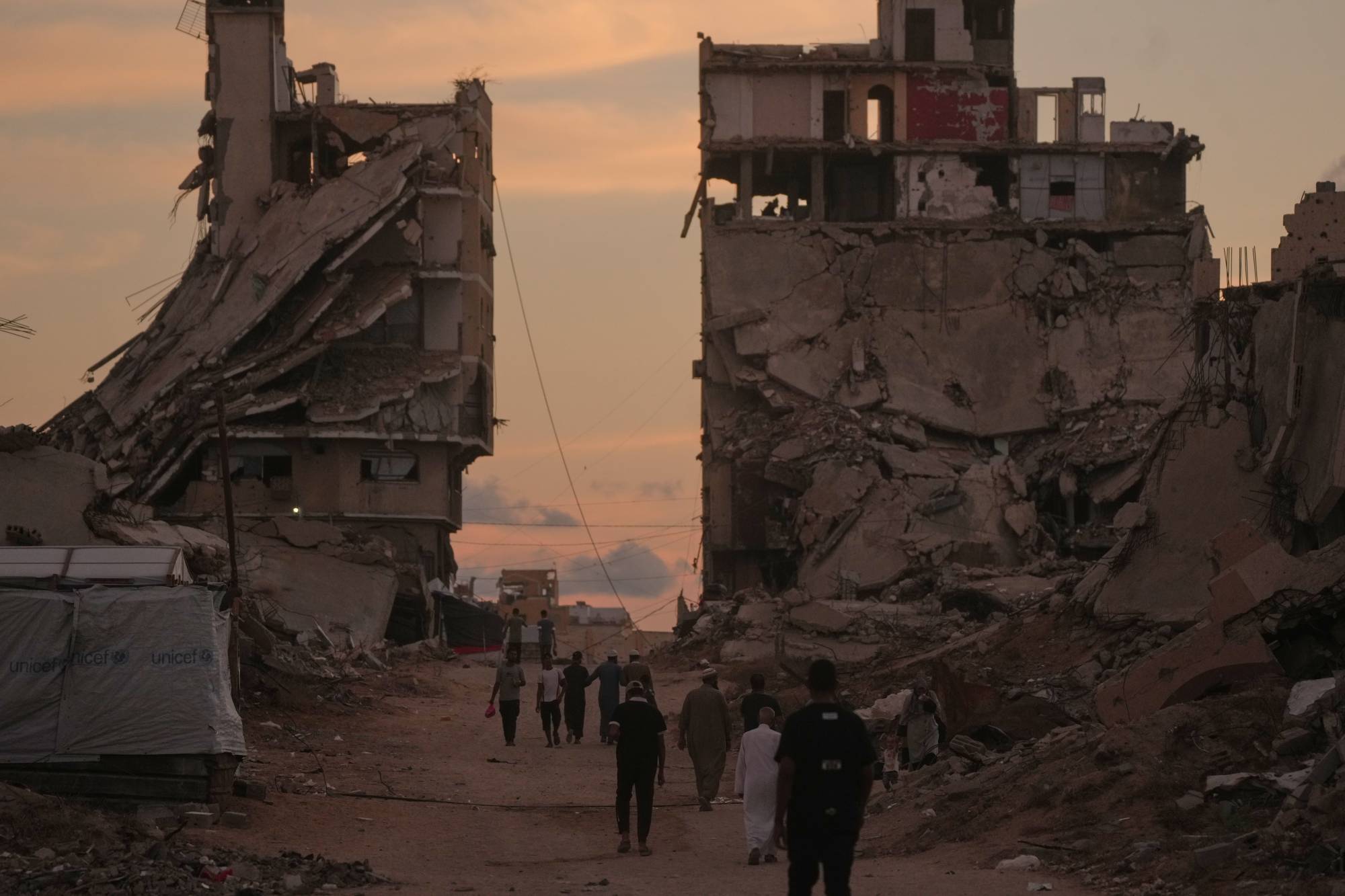
The scale of the destruction has overwhelmed emergency services already struggling with damaged infrastructure and shortages of equipment.
By 8 November, humanitarian organisations had received appeals from more than 26,000 households reporting damage to shelters or personal belongings, OCHA said in its situation report published on 9 November.
More than 6,000 family shelters had reportedly been destroyed, while another 17,400 were damaged. Around 3,900 households were reported to have no shelter at all.
An estimated 1.4 million people, representing 65% of Gaza's population, are living in tents or makeshift shelters, according to the UN agency.
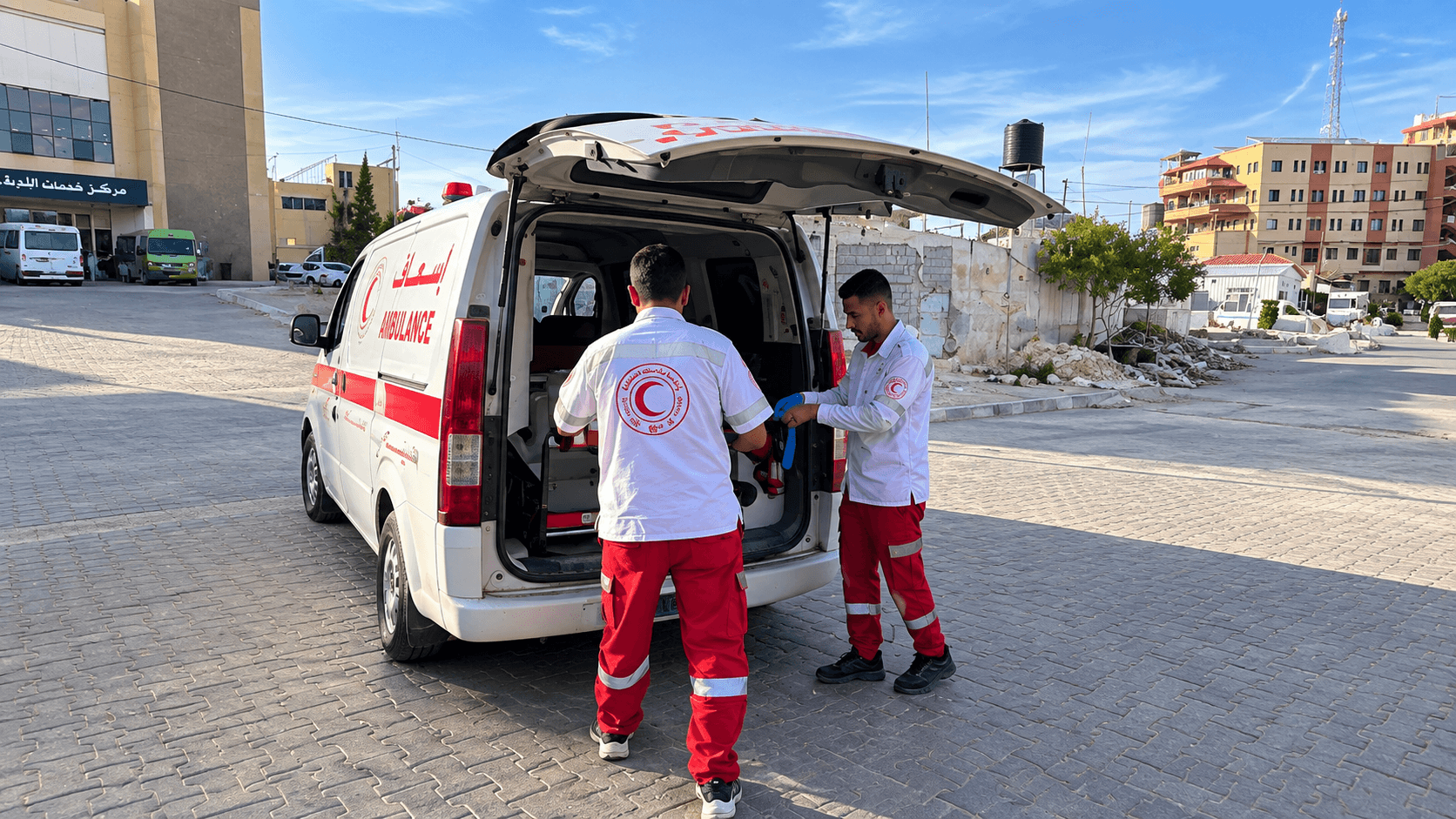
The Civil Defence service received 2,166 emergency calls during the storm but managed to respond to only 218. Floodwater reached 1.5 metres in some locations, while damaged drainage networks and shortages of pumping equipment restricted rescue operations.
The storm also affected humanitarian facilities and education. At least 55 learning spaces serving approximately 55,000 children were affected, according to OCHA.
The International Rescue Committee said humanitarian organisations had only about 2,800 tents available inside Gaza, against an estimated requirement of 121,000. The territory also needs 561,000 tarpaulins, 57,000 emergency shelter kits and 1.7 million mattresses.
The organisation's vice-president for emergencies, Bob Kitchen, said the ceasefire had not provided adequate shelter for the nearly two million displaced people.
"Families in Gaza lost the little they had in a single weekend of rain, and there is little left to replace it," he said.
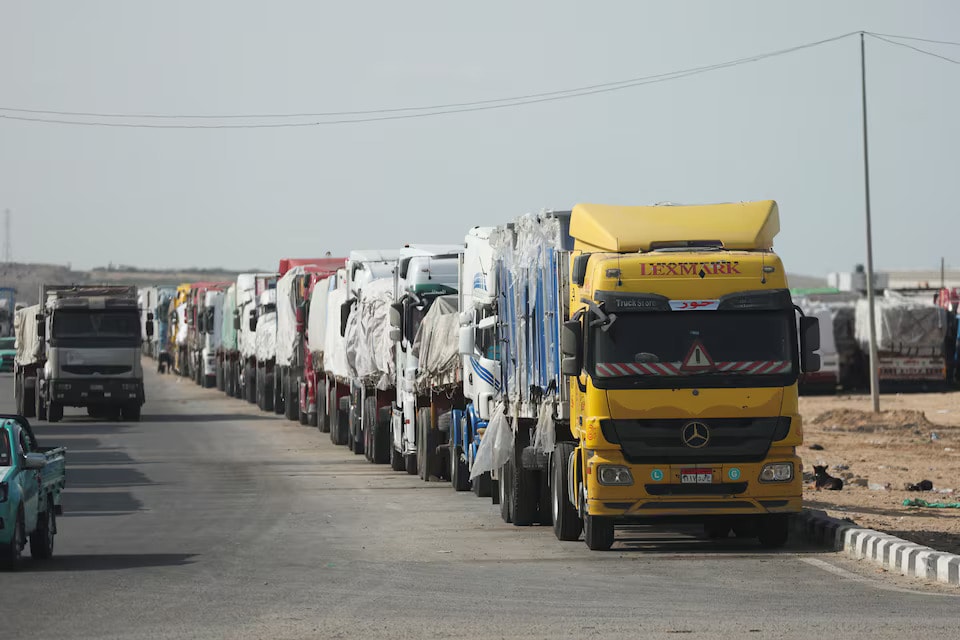
OCHA said more than 150,000 tents purchased by humanitarian organisations and member states were outside Gaza awaiting dispatch, including approximately 117,000 supplied by the Egyptian Relief Committee in Al-Arish.
The UN said additional Israeli approvals and humanitarian funding were needed to bring shelter supplies, water-pumping equipment, spare parts and heavy machinery into the territory.
Israel's Coordinator of Government Activities in the Territories (COGAT) said it had coordinated sanitation preparations with international organisations before the storm. Reuters reported that four additional vacuum trucks had entered Gaza through the International Committee of the Red Cross during the week, joining eight delivered over the preceding month.
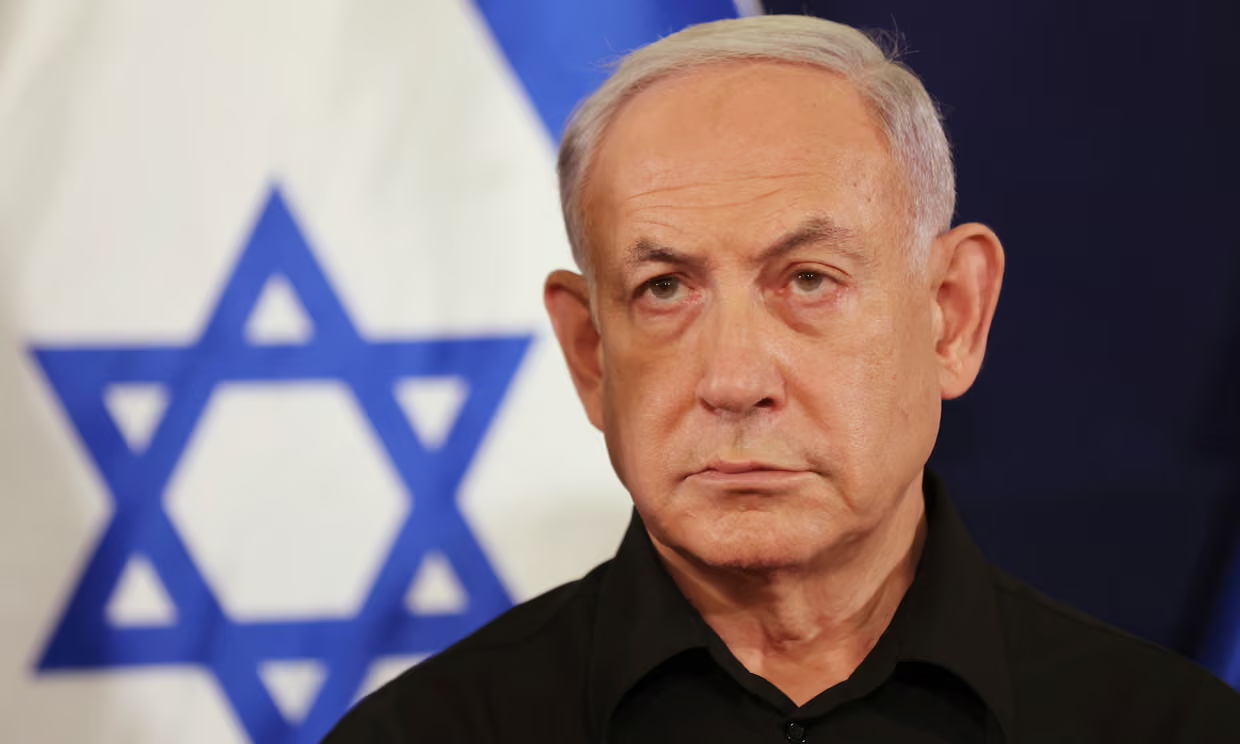
The Israeli position is that reconstruction cannot begin before Hamas disarms, Reuters reported.
Meanwhile, Gaza's Ministry of Social Development has called for urgent repairs to infrastructure and the entry of prefabricated mobile homes to provide alternatives to fabric tents.
Aziza al-Kahlout, the ministry's spokesperson, told Al Jazeera Net that flooded shelters placed thousands of families and children at immediate risk from cold weather and the lack of basic living conditions.
She called for international pressure to secure emergency housing and end the reliance on tents that offer inadequate protection against winter storms.
With thousands of families still lacking safe accommodation and humanitarian supplies running short, the next challenge is securing enough shelter materials before further heavy rainfall reaches Gaza.