Skip to content

Four Gaza children die from bacterial meningitis, doctor says

Nasser Medical Complex recorded 15 neonatal infections, its paediatric chief said, while UN agencies documented shortages of medical supplies.

By Amir Alshanti

  2 min read

Four Gaza children die from bacterial meningitis, doctor says
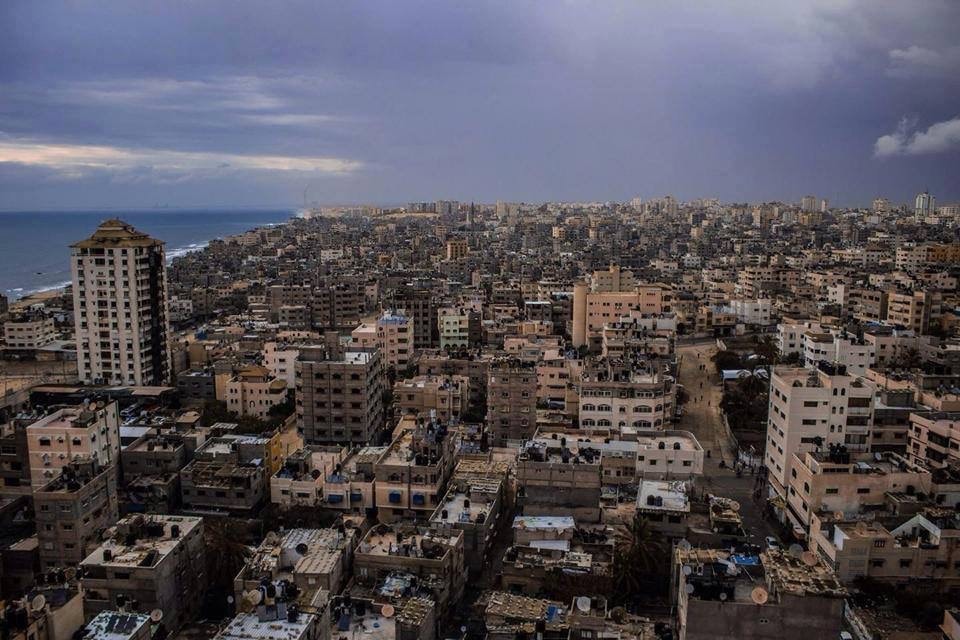
File photo: A panoramic view of Khan Younis in the Gaza Strip, 28 December 2019. Dans / Wikimedia Commons, CC BY-SA 4.0

Four children have died from bacterial meningitis in intensive care at Nasser Medical Complex in southern Gaza, its paediatric chief told Sanad news agency in an interview published on 27 October.

Dr Ahmed al-Farra said the hospital’s neonatal unit had recorded 15 cases within a short period. Other children were being treated in paediatric wards and intensive care, including some with bloodstream infections.

He described the infections as “a new wave of bacterial meningitis”, speaking in Arabic to Sanad.

The interview did not specify the dates covered by the figures or establish whether the four children who died were among the 15 neonatal cases.

The World Health Organization says meningitis requires emergency medical attention. Bacterial infections can progress rapidly, and treatment should begin when the disease is suspected rather than wait for laboratory results.

The deaths were reported as Gaza’s hospitals faced shortages of supplies needed for diagnosis and treatment. The UN Office for the Coordination of Humanitarian Affairs documented gaps in intravenous fluids, microbiology supplies and other medical consumables in its situation report published on 26 October.

Only 47% of health service points across Gaza were functioning fully or partially, the UN office said. That figure covers service points across the health system, rather than hospitals alone.

Families were also living with inadequate water, hygiene and sanitation services, according to the same report. Funding shortages threatened food assistance and the continued delivery of drinking water by humanitarian organisations.

Meningitis affects the tissues surrounding the brain and spinal cord. Different organisms can cause it, including bacteria and viruses, and identifying the cause helps determine treatment and public health measures, WHO says.

Babies may show different symptoms from older children or adults. Poor feeding, unusual irritability, reduced activity and difficulty waking can be warning signs, according to WHO.

Survivors of bacterial meningitis can experience lasting complications, including hearing loss, seizures and difficulties with movement or communication. WHO estimates that around one in five survivors develops long-term after-effects; that global estimate is not a measure of outcomes at Nasser.

Transmission also varies with the organism. Some bacteria spread through respiratory particles or throat secretions, while others can pass from mother to baby during birth, WHO says.

Al-Farra’s account did not provide laboratory findings identifying a single organism responsible for all the reported cases. It also did not provide a territory-wide case count or a comparison covering equivalent reporting periods.

WHO identifies case investigation, laboratory confirmation and surveillance as essential to detecting outbreaks and monitoring antibiotic resistance. Its guidance says diagnostic testing must not delay antibiotics when bacterial meningitis is suspected.

More from Gaza