Foreign ministers from 18 Arab and Islamic countries condemned an Israeli strike on Nasser Hospital and renewed demands for unrestricted aid to Gaza on 14 November, a joint statement said.
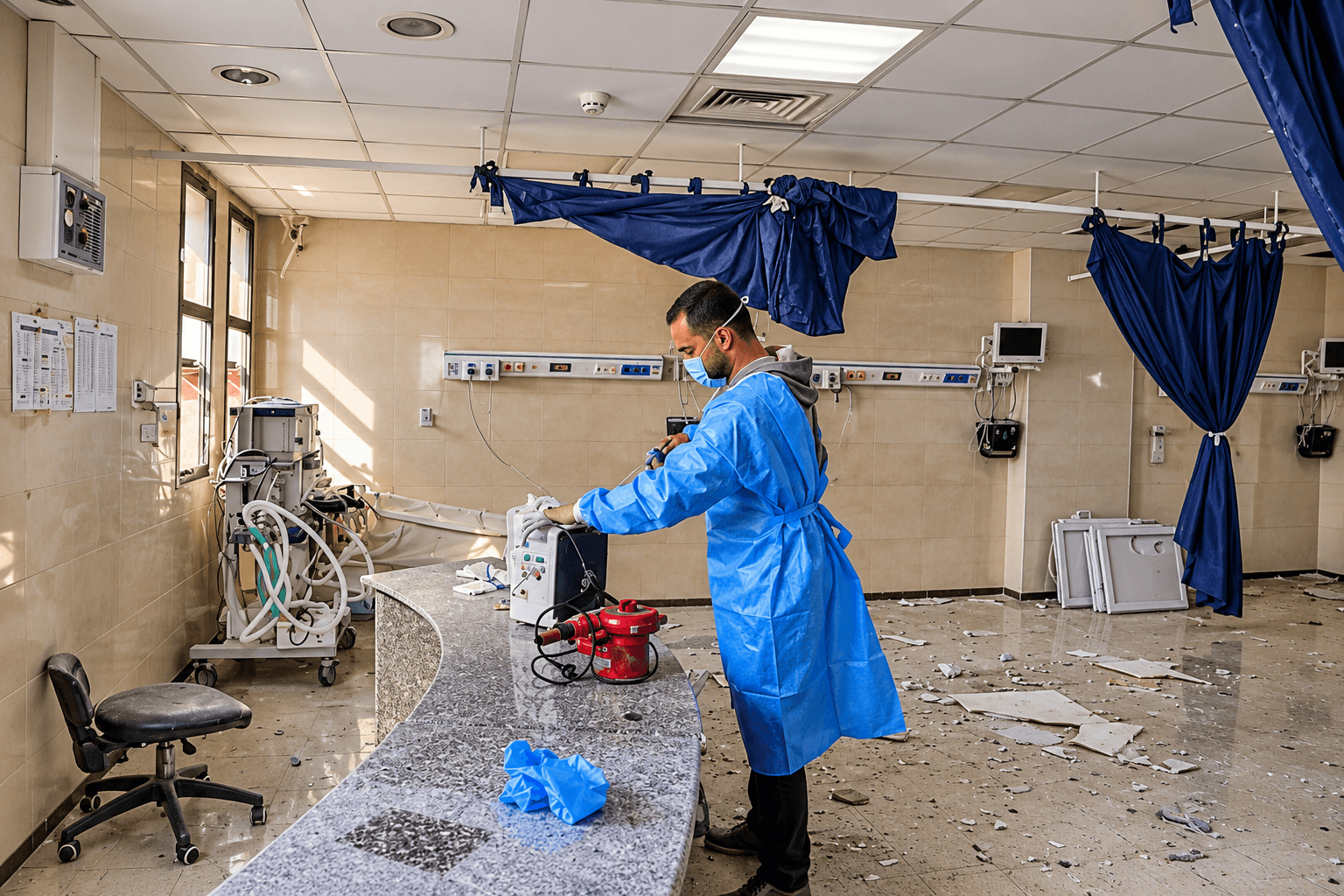
The diplomatic intervention followed an overnight attack on the medical complex in Khan Younis on 12 November. Six Palestinians were killed and at least 28 injured, according to Gaza's Health Ministry, as reported by the Associated Press.
The Israeli military said it had targeted Muhammad Abu Ismail, commander of Hamas's Khan Younis Brigade, along with other fighters allegedly operating inside the hospital. It said the military activity at the medical complex posed a threat and that it had repeatedly warned against it.
The Israeli military also alleged that Hamas had established a headquarters inside the hospital. Hospital officials disputed aspects of the military's account, with the hospital's director saying no warning preceded the attack, according to the Associated Press.
The joint statement was endorsed by Türkiye, Algeria, Djibouti, Egypt, Indonesia, Jordan, Kuwait, Lebanon, Libya, Mauritania, Oman, Pakistan, Palestine, Qatar, Saudi Arabia, Somalia, Sudan and the United Arab Emirates.
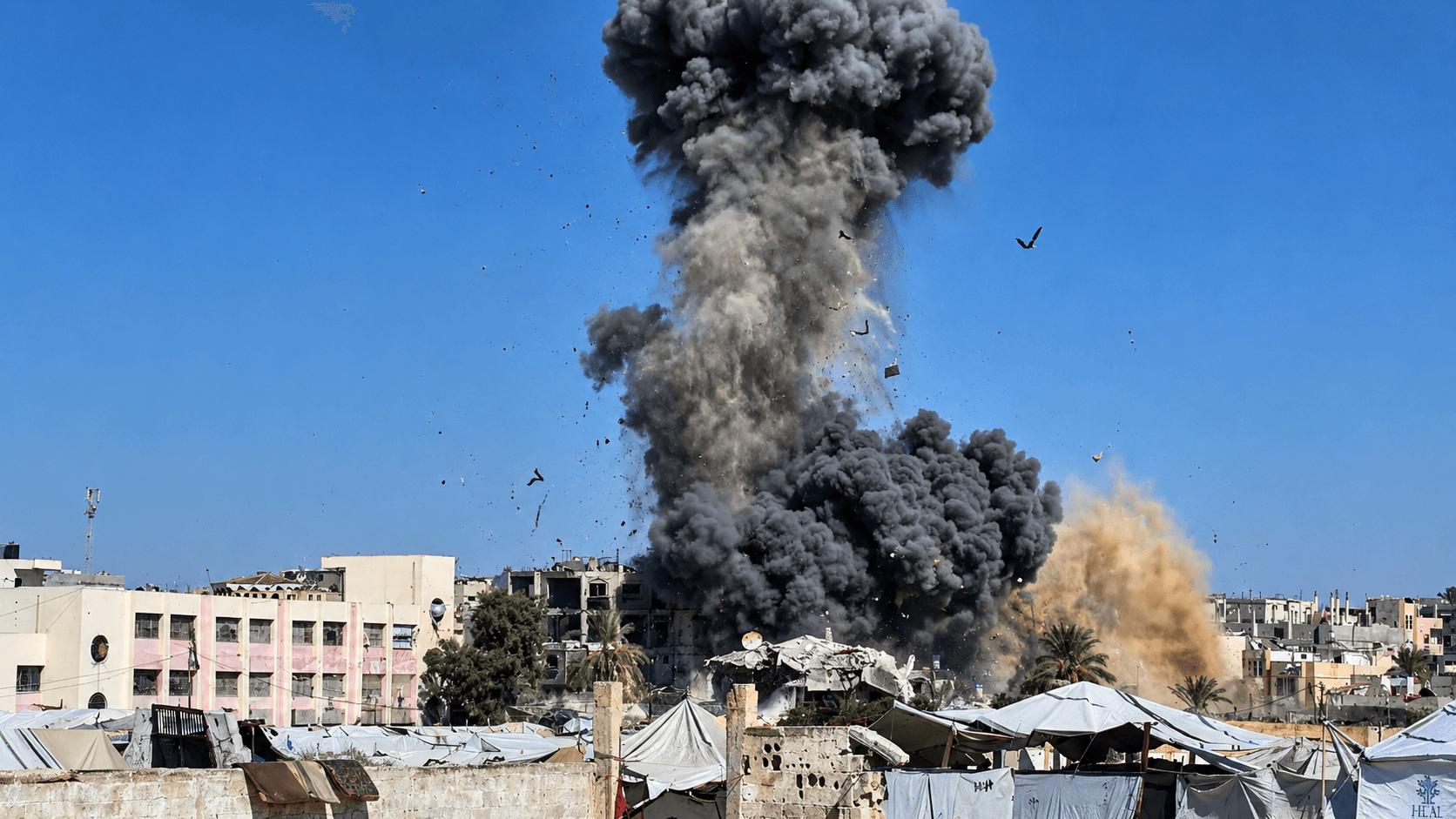
The ministers condemned attacks on Palestinian civilians, including strikes on tents and other locations sheltering displaced families. They argued that continued military operations were undermining the ceasefire and conflicting with US President Donald Trump's Comprehensive Plan for ending the Gaza conflict.
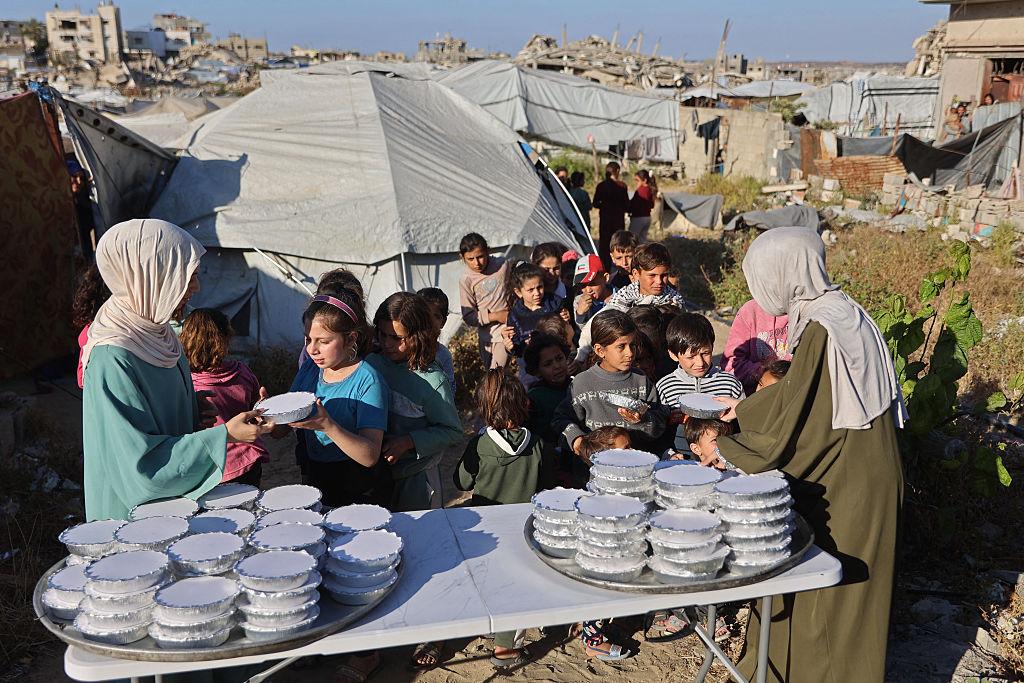
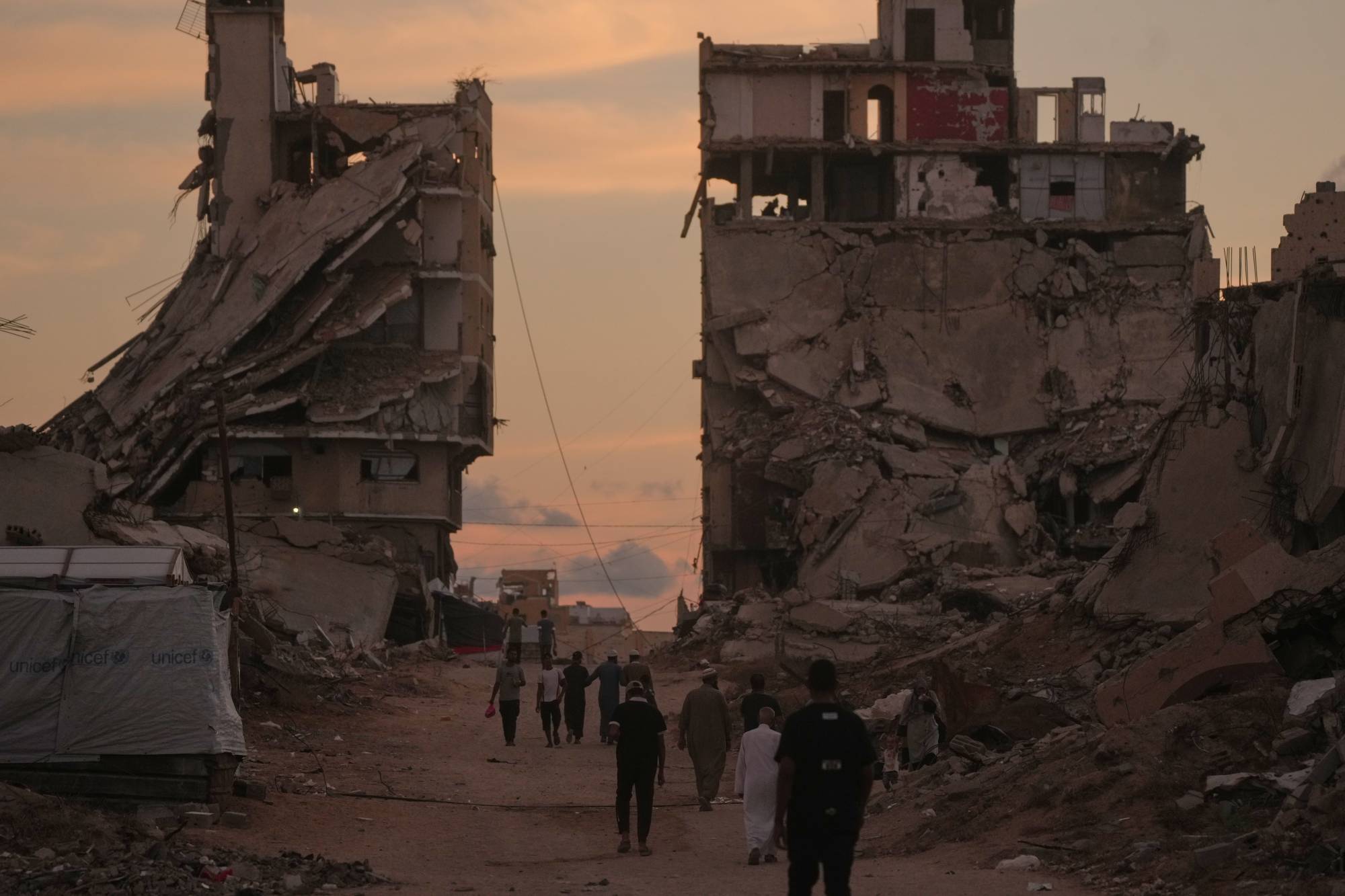
They also warned that restrictions on humanitarian supplies were worsening conditions as winter approaches. The statement specifically identified tents, caravans, mobile homes and medical equipment among the items whose entry remained restricted.
The ministers called on Israel to fulfil its obligations under the Sharm El-Sheikh Agreement, Trump's Comprehensive Plan and United Nations Security Council Resolution 2803, adopted in 2025.
They said humanitarian deliveries should be sufficient, safe and continuous, and called for United Nations agencies and international relief organisations to operate without obstruction. They also urged Washington and the Board of Peace to increase pressure on Israel to implement the commitments.
The European Union issued a separate appeal on 14 November, focusing on the effects of severe rainfall and flooding on displaced Palestinians.
The bloc said winter conditions had further deteriorated an already critical humanitarian situation and called for immediate access for relief organisations.
"We urge Israel to allow immediate, unimpeded access and sustained distribution of humanitarian assistance and early recovery support at scale, and to reopen all Gaza border crossings," the EU said in its statement.
The European Union also called for United Nations agencies and non-governmental organisations to be allowed to operate throughout the territory. It added that humanitarian assistance should be used exclusively for peaceful purposes and not diverted by armed groups.
The latest diplomatic appeals follow a broader international call for improved humanitarian access. On 12 November, the United Kingdom delivered a joint statement at the United Nations on behalf of dozens of countries and international organisations, warning that restrictions on shelter materials and other essential supplies were preventing relief agencies from responding at the required scale.
That statement said the humanitarian commitments endorsed by Security Council Resolution 2803 had not yet been fully implemented. It also called for the restoration of medical referral routes to hospitals outside Gaza for patients requiring treatment unavailable inside the territory.
The scale of the continuing humanitarian crisis is reflected in the latest casualty figures. Gaza's Health Ministry reported on 14 November that the overall number of Palestinians killed since 7 October 2023 had reached 74,695, with 176,093 injured.
Since the ceasefire took effect on 11 October 2025, Israeli military operations have killed 1,643 Palestinians and injured another 5,964, according to the ministry. The ministry also reported that the bodies of 850 people had been recovered during the same period.
The 18 governments said they would continue working with regional and international partners to support the ceasefire, implement its remaining phases and increase humanitarian assistance to Palestinians.