Acute respiratory infections in Gaza have exceeded the previous year’s comparable figure by 33,000 cases, with further increases expected after flooding, the World Health Organization said on 13 November.
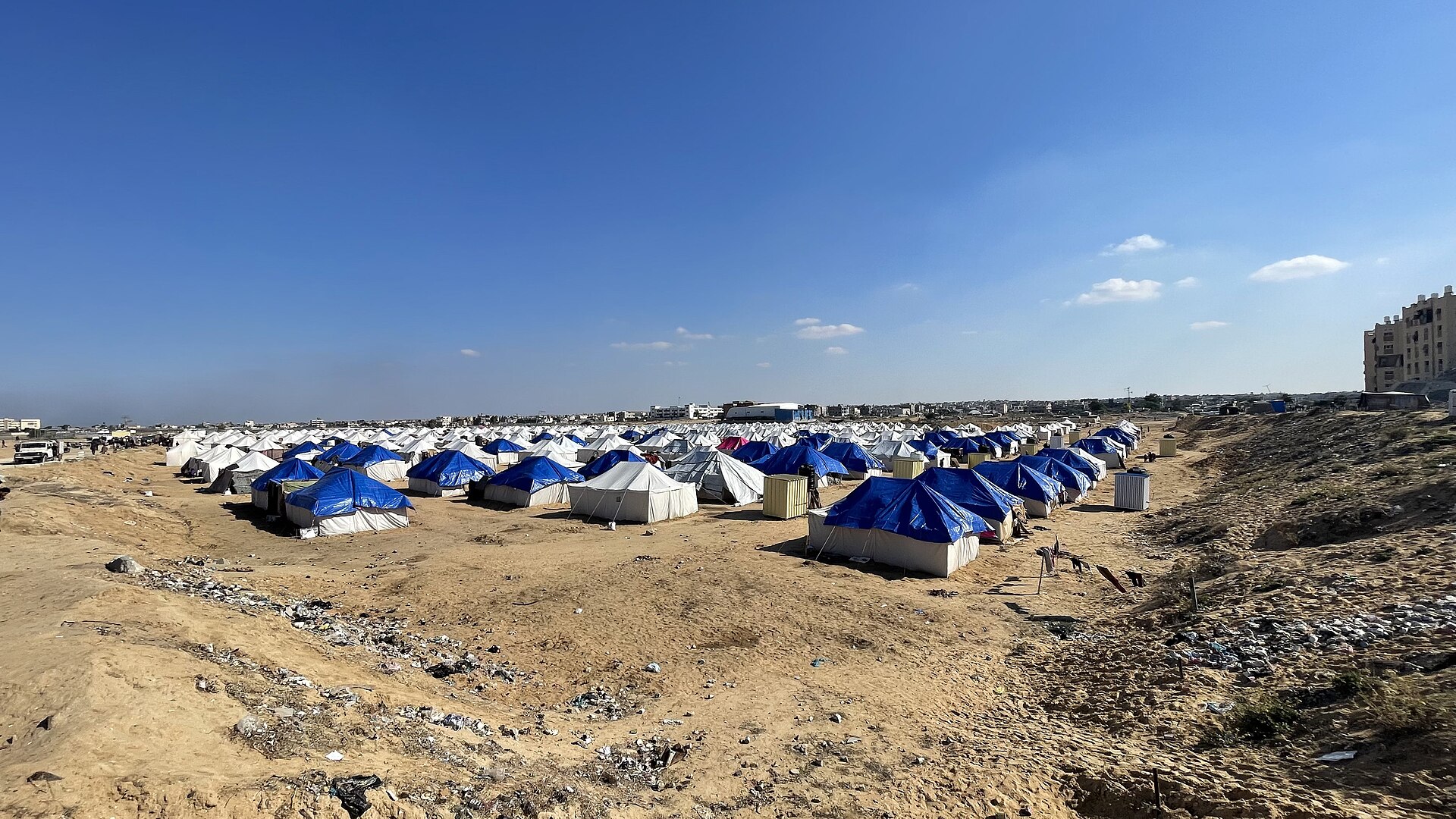
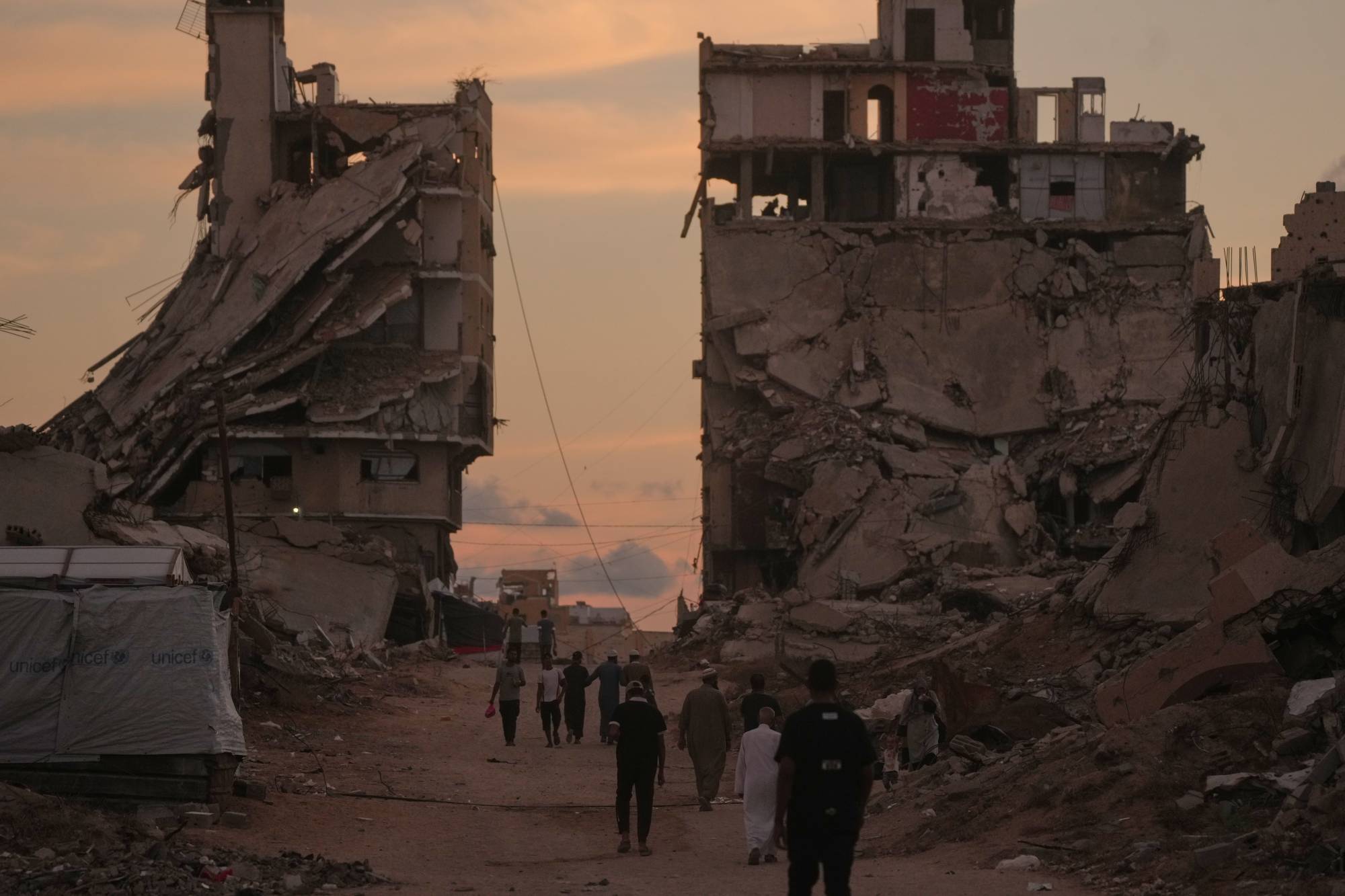
Nearly a million displaced Palestinians live in areas exposed to flooding, including 400,000 in locations classified as facing extremely high risk, the organisation said.
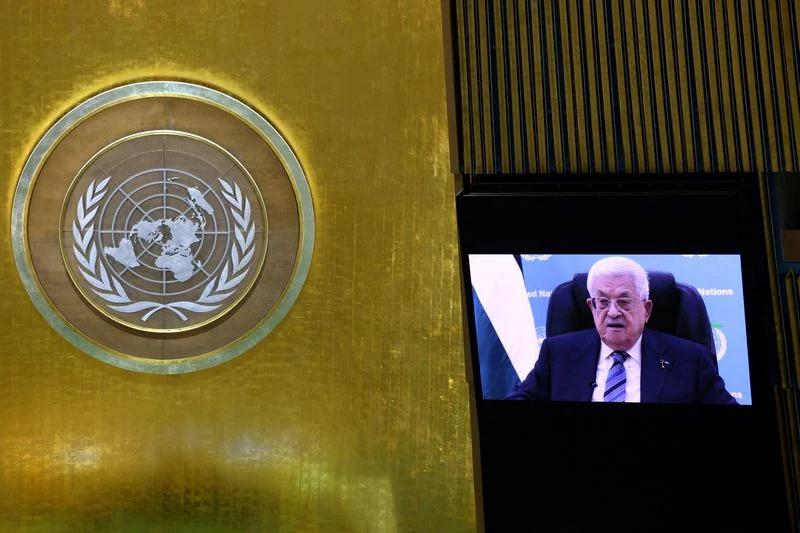
“The worst really is yet to come,” Dr Reinhilde Van De Weerdt, WHO representative in the occupied Palestinian territory, told a Geneva briefing by video from Jerusalem.
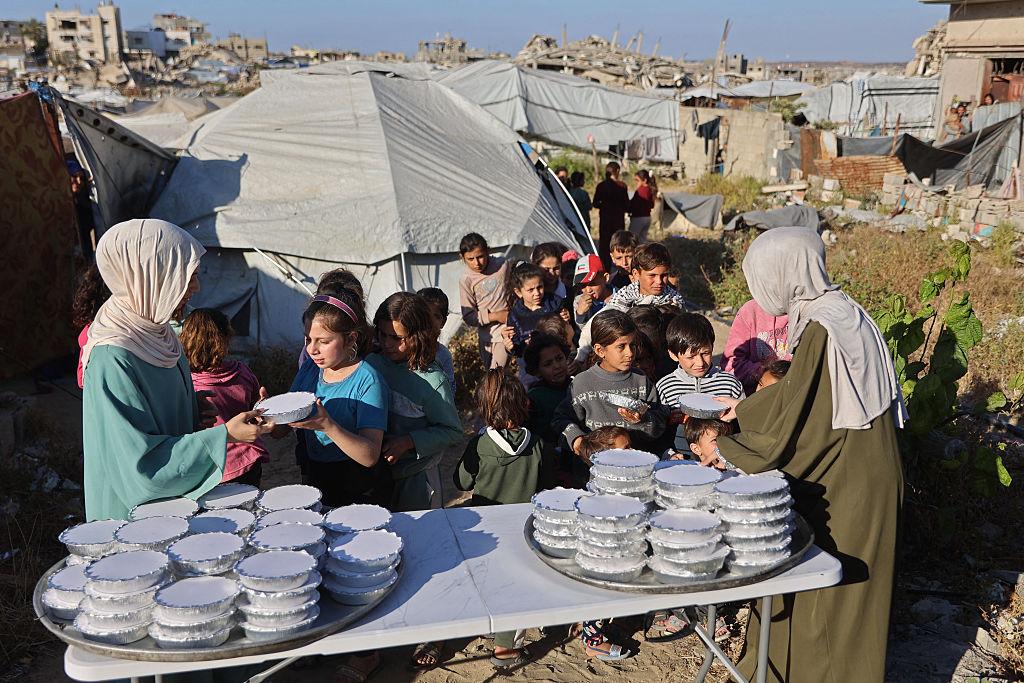
Respiratory infections account for 11% of medical consultations, Reuters reported, citing WHO. Van De Weerdt said crowded shelters and deteriorating living conditions were helping infections spread.
The warning follows rains that submerged tents and homes, leaving displaced families without dry bedding or clothing. At least 26,000 households had sought help from humanitarian organisations after the storm, the International Rescue Committee said on 10 November.
The aid organisation said damaged water and sewage networks, alongside shortages of fuel and spare parts for drainage equipment, had left rainwater trapped around shelters.
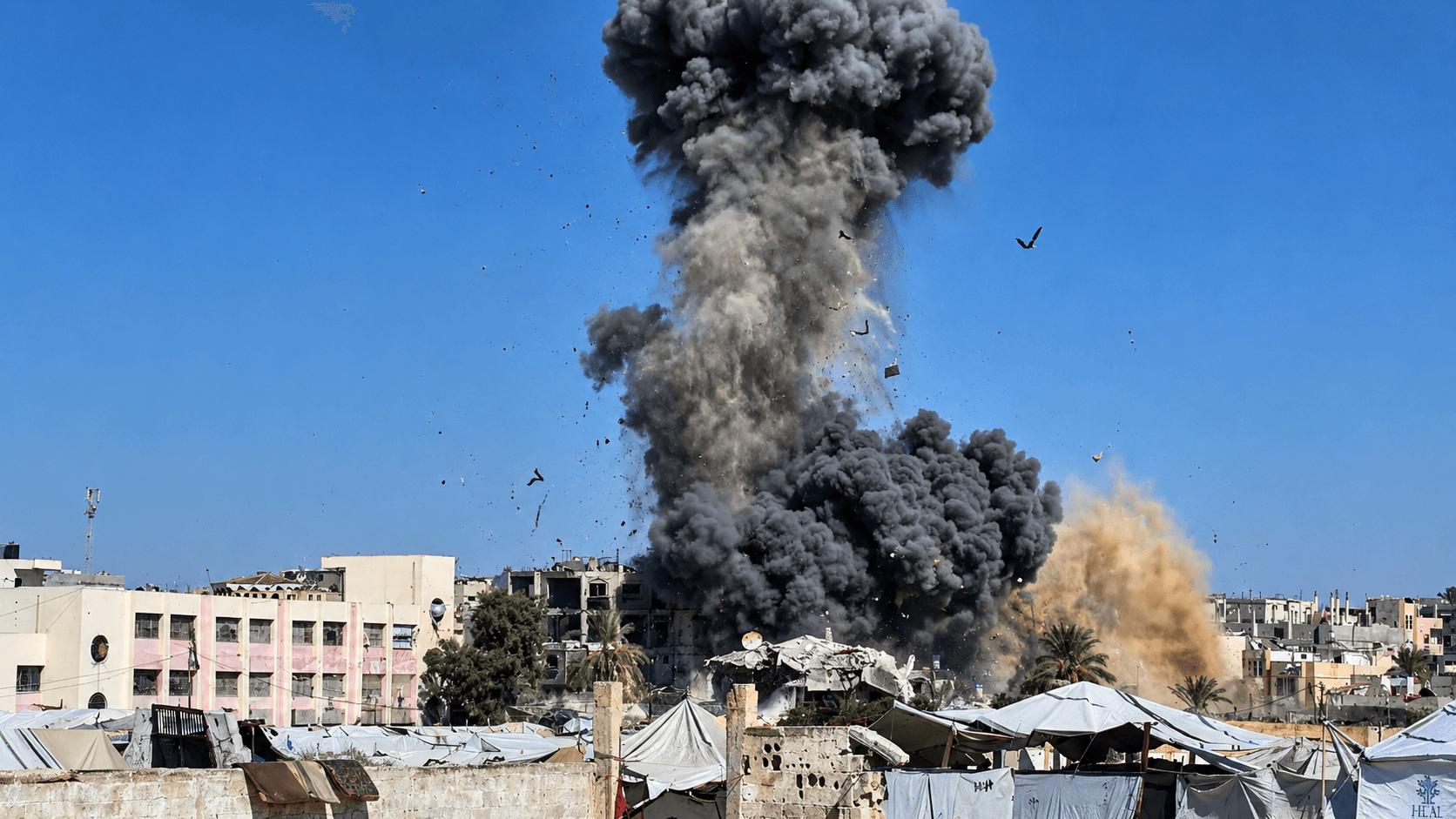
Van De Weerdt said expanding Israeli military control was pushing people into increasingly crowded living spaces towards the Mediterranean coast.
The Israeli military denied deliberately restricting the space available to civilians. It told Reuters that adjustments to the “Yellow Line”, the ceasefire demarcation, were intended to protect Israeli civilians and soldiers and complied with the agreement and international law.
Israel’s military aid coordination agency, COGAT, told Reuters that more than 93,000 tents and over 8,600 trucks carrying winter supplies had entered Gaza under a winterisation plan. It said reconstruction equipment would be admitted only after Hamas was fully disarmed.
The WHO warning also concerned access to diagnosis. Most medicines were entering Gaza, Van De Weerdt said, but laboratory supplies remained difficult to bring in, hampering efforts to identify infections and detect outbreaks.
COGAT told Reuters that it had not rejected medicine requests from international aid organisations and that medical equipment, including oxygen generators and X-ray machines, had entered Gaza.
Floodwater can mix with sewage and contaminate areas where families prepare food and sleep, WHO said. It also warned that damp shelters encourage mould and bacteria, while standing water creates breeding sites for mosquitoes and other pests.
Children, older people and those with chronic conditions face particular risks as temperatures fall, Van De Weerdt said.
The International Rescue Committee said many families were relying on tents used since the previous winter or earlier, although most were designed to last about six months.
Citing the shelter cluster, which coordinates shelter assistance, the organisation said families needed around 121,000 tents as of 1 November. Aid groups had about 2,800 tents in stock inside Gaza and no emergency shelter kits.