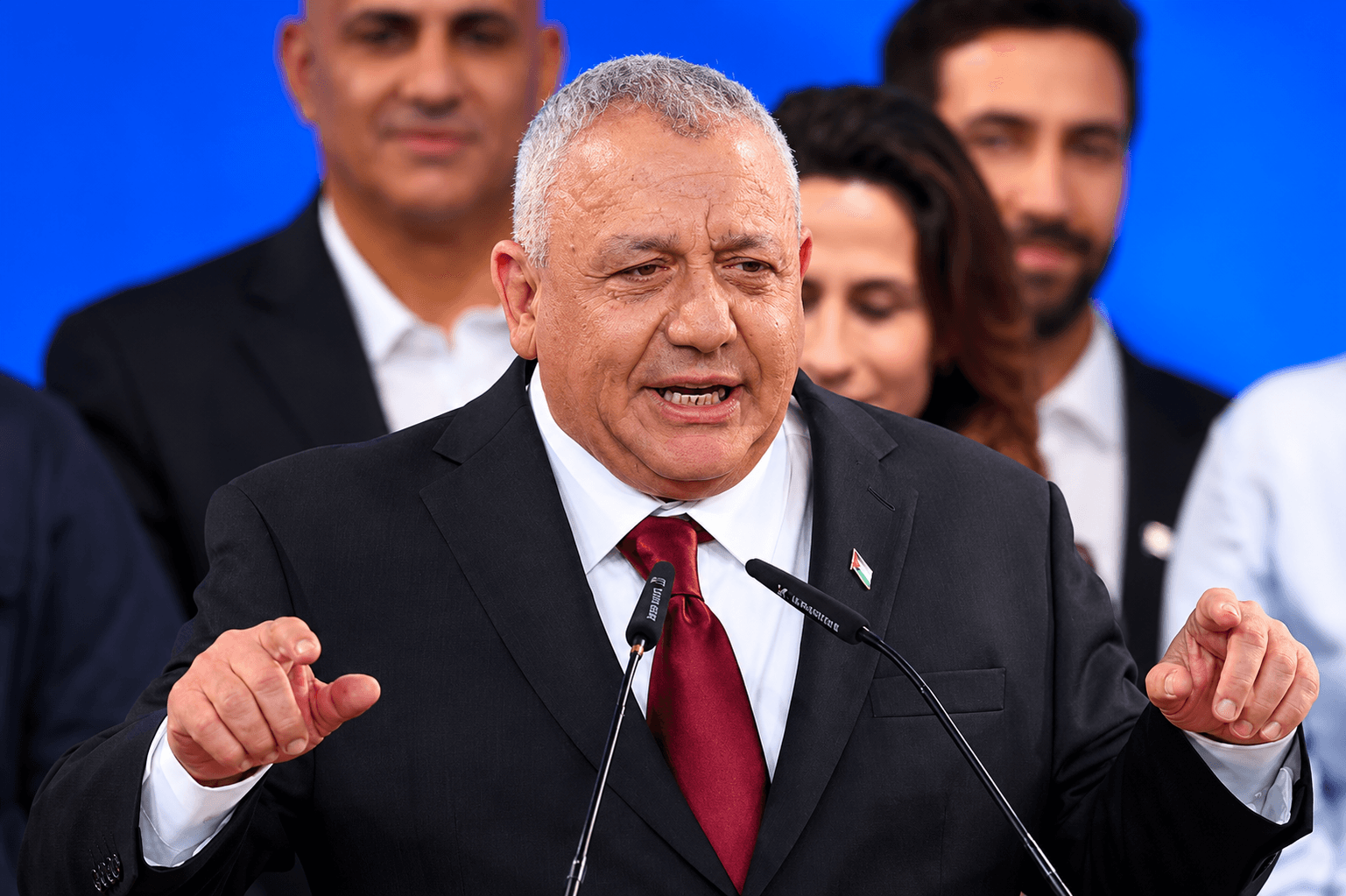
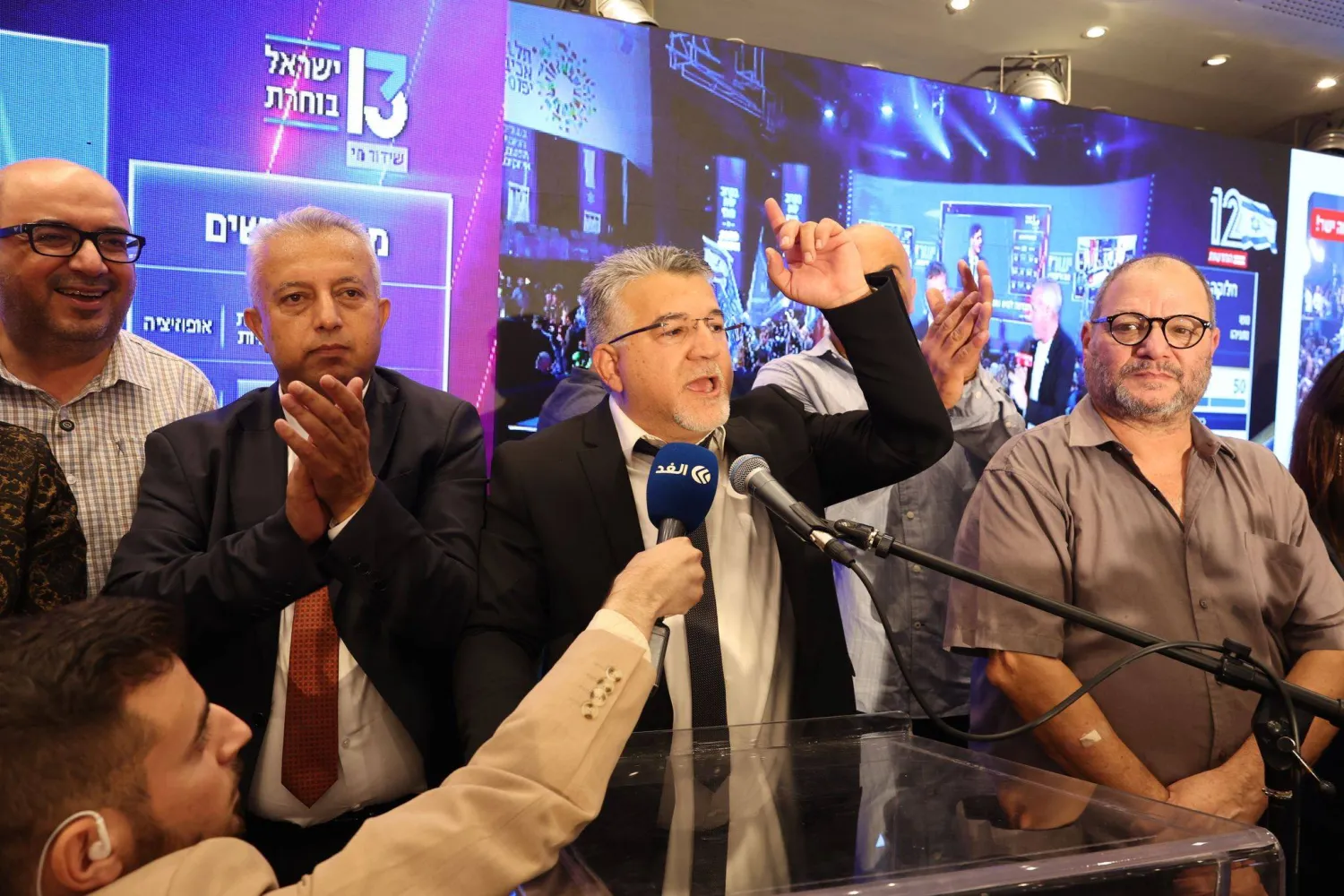
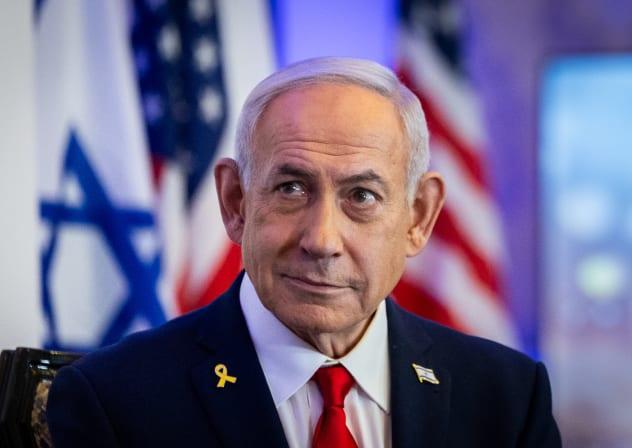
"We are in a state of emergency, approaching a point of no return for the State of Israel," Eisenkot said, according to Reuters. "We must form a national emergency government. This will require creative and unconventional political steps."
The appointment followed the 27 October parliamentary election, which left neither political camp with the 61 seats needed for a majority in the 120-member Knesset.
Herzog's consultations produced 67 recommendations for Eisenkot and 46 for Netanyahu. Representatives of the remaining seven lawmakers, from United Torah Judaism, declined to endorse either candidate.
The final election results gave Netanyahu's Likud 27 seats, making it the largest individual party. His wider religious-nationalist bloc secured 53 seats, while Eisenkot's four-party alliance holds 48. The two Arab-led parties have 19 seats combined, according to the official election results.
How could Eisenkot secure a majority?
One possibility is a minority government supported by Arab parties, Ra'am and the Joint List, without necessarily including them as formal coalition members.
The arrangement would bring the combined support of Eisenkot's bloc and the Arab parties to 67 lawmakers. Both Arab parties recommended him for the mandate and expressed willingness to cooperate with his broader political camp.
However, the proposal faces resistance within the opposition itself. Avigdor Lieberman, leader of the right-wing Yisrael Beiteinu party, has repeatedly rejected a minority government dependent on Arab support.
Netanyahu has also campaigned against a government relying on Arab lawmakers. The Democrats, a centre-left party within Eisenkot's alliance, has been the only Jewish-led opposition party to publicly advocate their inclusion in government arrangements, Reuters reported.
A previous coalition offers a precedent. Ra'am joined a government led by former prime minister Naftali Bennett in 2021. That administration collapsed after 18 months, partly because of disagreements over the occupied West Bank.
Could ultra-Orthodox parties change the balance?
A second route involves negotiations with Shas and United Torah Judaism, two ultra-Orthodox parties that have traditionally supported Netanyahu.
Together, they hold 13 seats. Their participation would give Eisenkot's existing 48-seat alliance a potential majority of 61.
The main obstacle is military conscription. Ultra-Orthodox religious students have traditionally benefited from exemptions, an arrangement that has generated considerable opposition among Israelis who serve in the military.
Eisenkot and Lieberman have criticised these exemptions. But Lieberman signalled flexibility on the issue in a statement on Friday, saying that compromise would be necessary to prevent another election and end Netanyahu's political tenure.
The parties have yet to demonstrate that they can reach an agreement. United Torah Judaism declined to recommend a candidate during the presidential consultations, while Shas backed Netanyahu.
Would a unity government with Netanyahu be possible?
Another option is a national unity arrangement involving Likud, Yashar, Together and Yisrael Beiteinu.
Such a combination would control 67 seats, enough to secure a parliamentary majority. But it would require Eisenkot's partners to abandon their central electoral commitment to removing Netanyahu from office.
Netanyahu, in turn, would probably have to leave behind his traditional allies among the ultra-Orthodox and far-right parties.
The prospect remains distant, although prolonged negotiations or renewed fighting with Iran could encourage the rival camps to consider a common government, Reuters reported.
What happens if Eisenkot fails?
Eisenkot has 28 days to form a government, with the possibility of an extension of up to 14 additional days under Israel's Basic Law: The Government.
If he cannot secure an agreement, Herzog can give another member of the Knesset an opportunity to form a government. Netanyahu would be a likely candidate for that second attempt.
His political strategy could involve persuading lawmakers from opposition parties to defect and join his camp. He has previously used defections to weaken rival parliamentary coalitions, including before the 2022 election, which brought him back to power.
But the current parliamentary balance presents a more complicated challenge. His bloc has 53 seats, while the opposition alliance and Arab parties together have 67.
If the second attempt also fails, the law allows at least 61 lawmakers to request that the president appoint another candidate. That candidate would receive 14 days to form a government.
If this final attempt fails, or no qualifying request is submitted within the statutory period, the Knesset is deemed to have decided to dissolve itself and new elections are scheduled within 90 days.
For now, Eisenkot's immediate task is to persuade political rivals to accept compromises that could produce a government with sufficient parliamentary support.