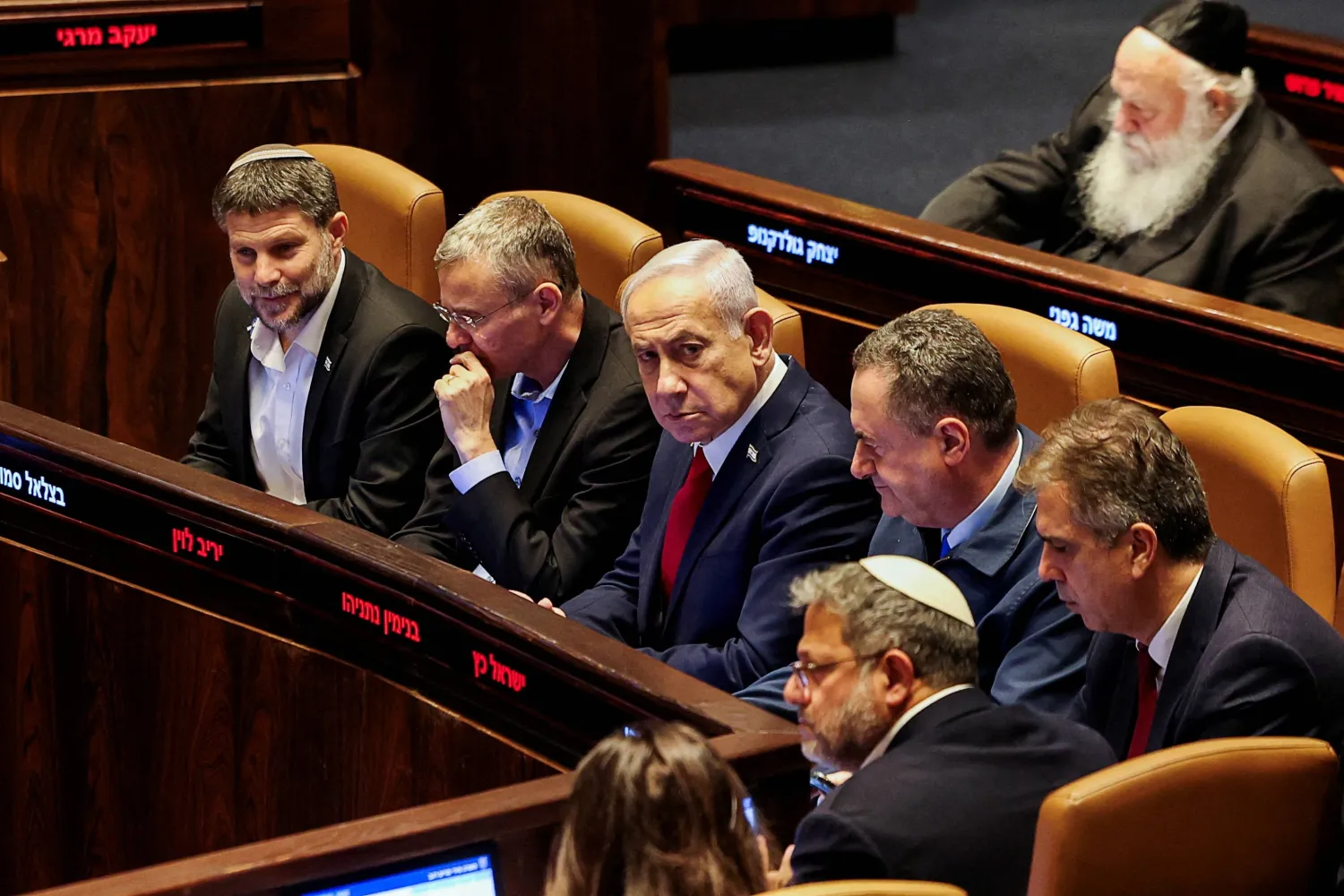
Israeli opposition parties are seeking to replace parliament speaker Amir Ohana as the newly elected Knesset convenes on 10 November, challenging Benjamin Netanyahu's control of the legislature before a new government is formed.
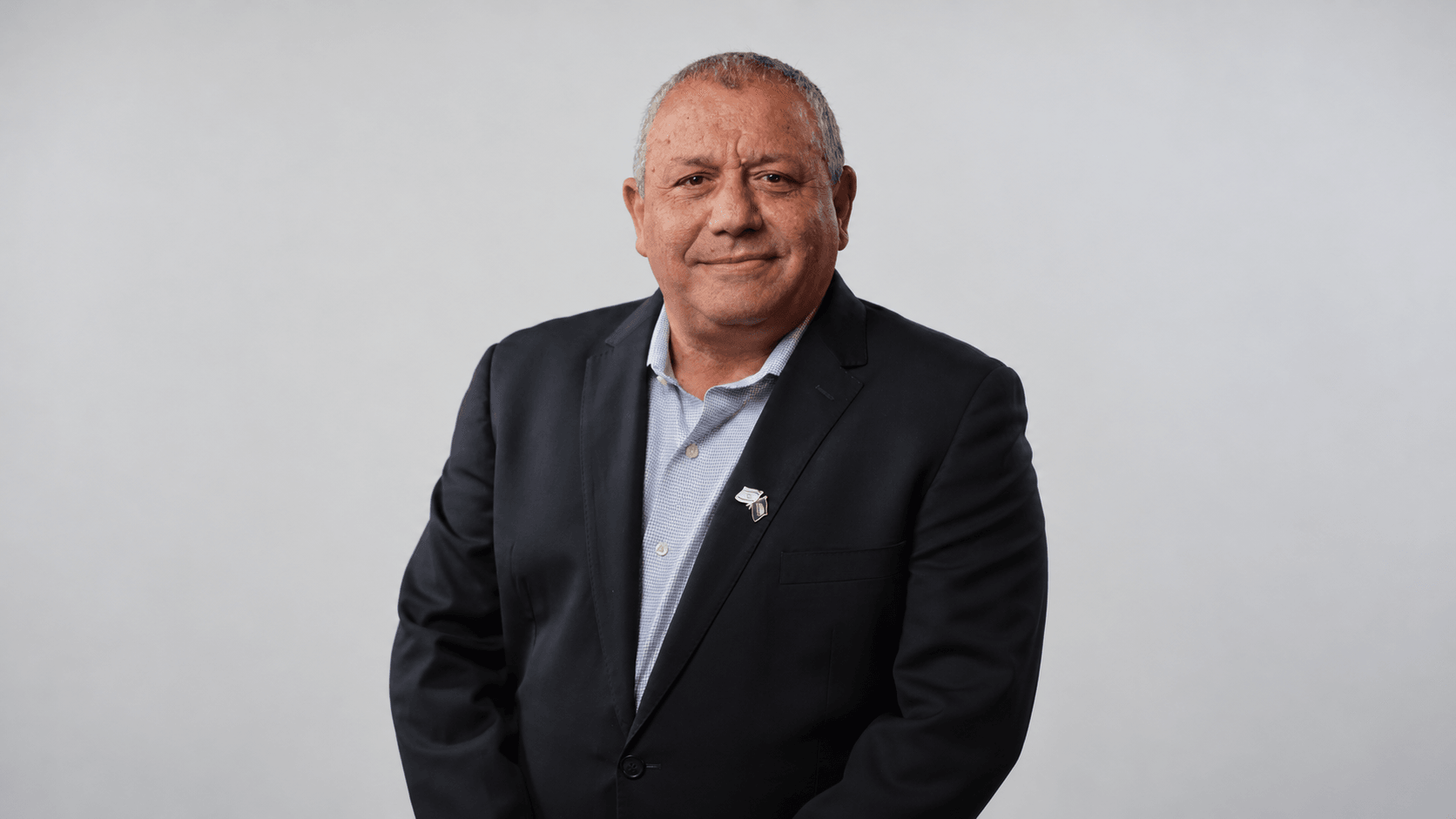
The confrontation follows the 27 October election, which deprived Netanyahu's governing bloc of its parliamentary majority and left former military chief Gadi Eisenkot with the task of assembling a replacement coalition.
Eisenkot received the mandate from President Isaac Herzog on 8 November after 67 of the Knesset's 120 members recommended him for prime minister. Netanyahu received the backing of 46 lawmakers, while seven declined to endorse either candidate.
The new parliament gives Netanyahu's opponents an opportunity to advance legislation and replace senior parliamentary officials even while the outgoing prime minister remains in office.
The immediate dispute concerns Ohana, a member of Netanyahu's Likud party, who has resisted opposition demands to hold a vote on his replacement during the inaugural session.
Opposition parties have submitted requests for an early election of the speaker. Ohana has said he would schedule a vote within the following week if a majority of lawmakers formally requested one, according to The Times of Israel.
The six parties opposing Netanyahu have sought to coordinate their position, although disagreements remain over who should succeed Ohana and whether ultra-Orthodox parties could support the effort.
Eisenkot's Yashar party invited Shas and United Torah Judaism to join the attempt to replace the speaker on 9 November. United Torah Judaism chairman Yaakov Asher rejected the invitation, arguing that a new speaker should be chosen only after a government had been formed.
The disagreement reflects a wider problem for Eisenkot. Although 67 lawmakers supported his nomination, that figure does not represent an agreed governing coalition.
The parties opposed to Netanyahu include 48 lawmakers from Jewish-majority parties and 19 from Arab-majority parties. Their differences over coalition membership, national security and military conscription have complicated efforts to form a government.
Netanyahu's electoral bloc won 53 seats, down from the 68 held by his previous parliamentary coalition, according to figures reported by The Jerusalem Post.
Despite losing his majority, Netanyahu remains caretaker prime minister until another government wins parliamentary confidence.
The opposition is also preparing to challenge legislation passed under his government.
Eisenkot has pledged to reverse laws he says threaten Israeli democracy, including measures associated with the government's controversial judicial overhaul.
The proposed changes could target restrictions on judicial oversight and measures affecting the government's legal adviser. The judicial overhaul triggered widespread protests before the Hamas-led attacks of 7 October 2023 and the subsequent wars shifted political attention towards security.
Another priority is an independent state commission of inquiry into the security failures surrounding the October 2023 attacks.
Netanyahu has opposed establishing such a commission and has favoured an alternative review process involving politically appointed members.
Opposition lawmakers could also seek changes to arrangements governing military service for ultra-Orthodox Jewish men, an issue that has divided Israeli politics as the military faces recruitment pressures.
Those proposals would require parliamentary votes and cooperation among parties that have not agreed on the composition of the next government.
Eisenkot has proposed forming a national emergency government and has signalled that compromises will be necessary. Netanyahu's Likud, meanwhile, remains the largest individual party in the Knesset.
Herzog acknowledged that distinction when assigning Eisenkot the mandate, saying his decision reflected the former army chief's greater support among lawmakers rather than the size of his party.
Under Israeli law, Eisenkot initially has 28 days to form a government, with a possible extension of 14 days.
The 26th Knesset is scheduled to begin its inaugural sitting at 16:00 on 10 November, with 46 first-time lawmakers among its 120 members. A vote on replacing Ohana is expected within the following week.