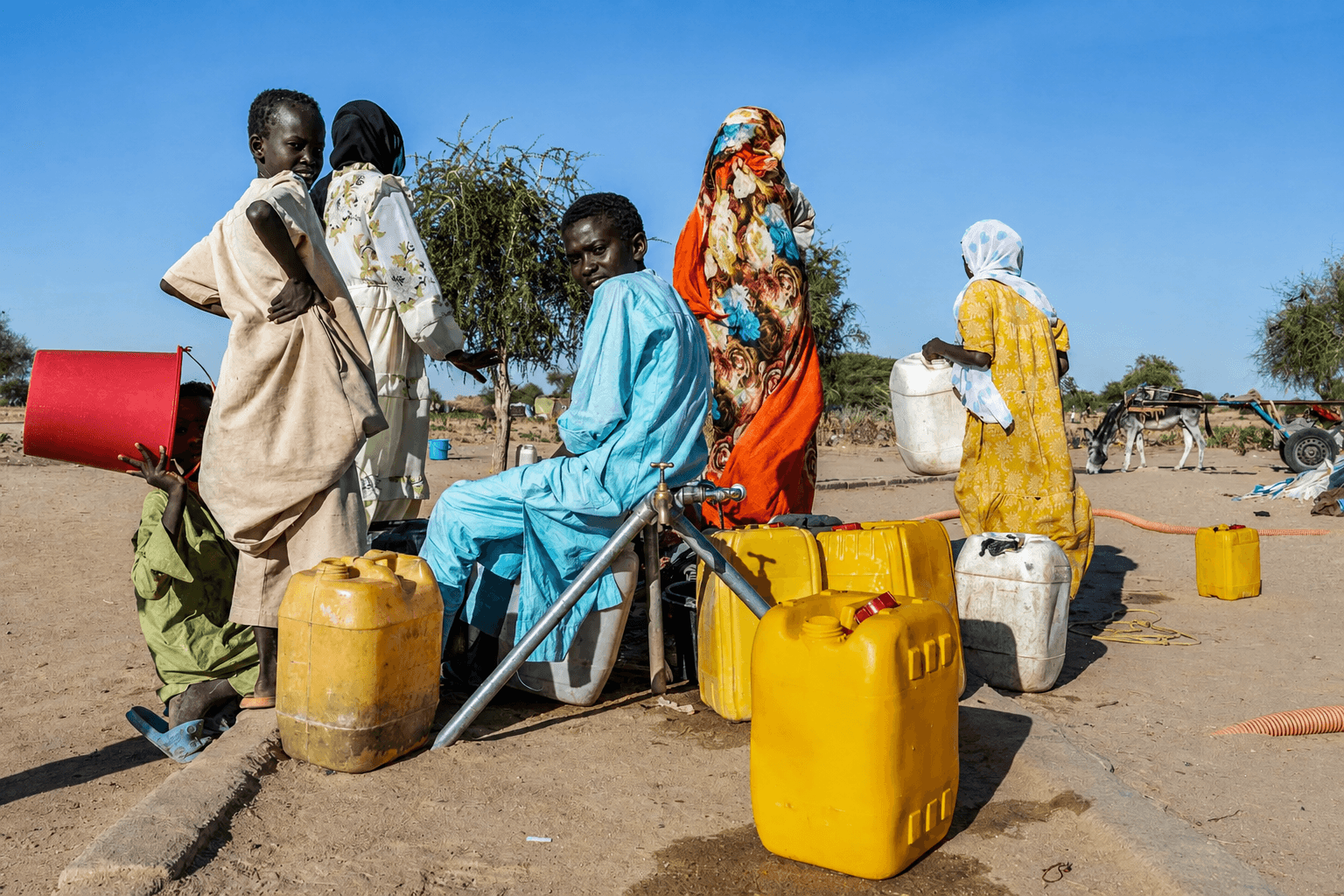
Millions of people in Sudan are struggling to obtain safe water as the country’s war damages water and electricity infrastructure, disrupts supplies and contributes to conditions in which cholera is spreading again.
UNICEF said in its latest mid-year report that 33.7 million people in Sudan require humanitarian assistance, while 9.14 million remain internally displaced. Between January and June, UNICEF and its partners provided 6.6 million people with access to safe water, but the organisation said attacks on infrastructure, electricity outages and rising fuel costs continued to put pressure on water systems.
The scale of the disruption varies between areas. UNICEF has previously reported that damage to water infrastructure has left communities dependent on emergency measures such as water trucking, chlorination and repairs to damaged systems. In Khartoum, rehabilitation efforts during the first half of 2026 reached 2.2 million people through the construction or repair of 120 urban water facilities.
For families without reliable piped supplies, the alternatives can be costly or unsafe. People in affected communities have relied on water tankers, communal distribution points and other local sources, while power shortages can prevent pumping stations from operating normally.
The disruption has also created a public-health risk.
Sudan’s latest cholera outbreak was declared on 27 June after the disease returned following the end of the previous outbreak in March. On 10 July, the World Health Organization said more than 1,330 cases and 114 deaths had been recorded, with the outbreak affecting several states, particularly in Darfur and Kordofan. WHO warned that the rainy season could worsen transmission.
By mid-July, Sudan’s Health Ministry reported 1,547 cholera cases in West Kordofan and parts of North Kordofan. The renewed outbreak has also affected South Darfur, while health authorities have warned of the possibility of further spread.
In North Kordofan, the situation has remained severe. A medical source told Sudan Tribune on 11 August that an isolation ward at Al-Mazroub Hospital was receiving about 20 patients with cholera or acute watery diarrhoea each day, with more than 50 admissions recorded over two days. The report said the hospital was also facing shortages of food and medical supplies.
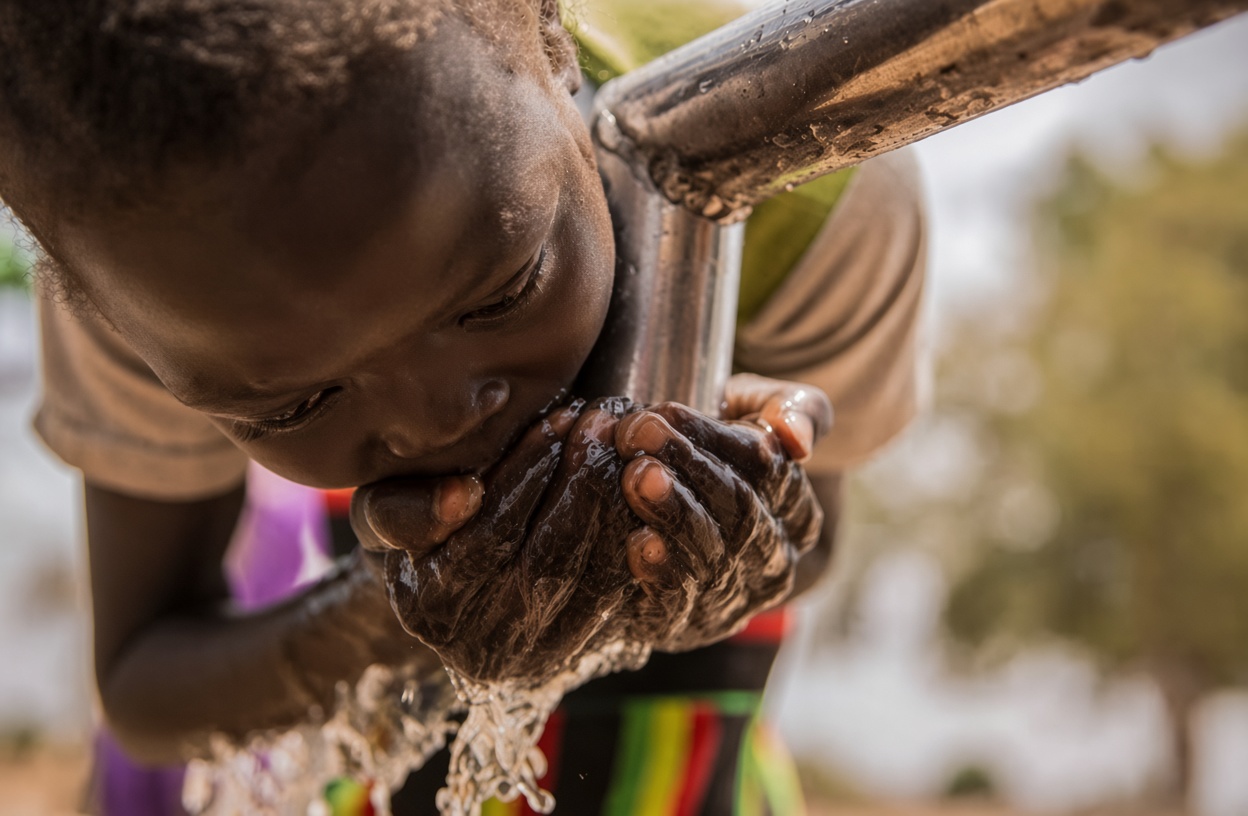
The link between water systems and disease is direct. Cholera spreads through contaminated food or water, and the risks increase when sewage systems, water treatment facilities and health services are damaged or overwhelmed. UNICEF has warned that conflict-related damage to water infrastructure, displacement and overcrowding are creating conditions in which cholera and acute watery diarrhoea can spread.
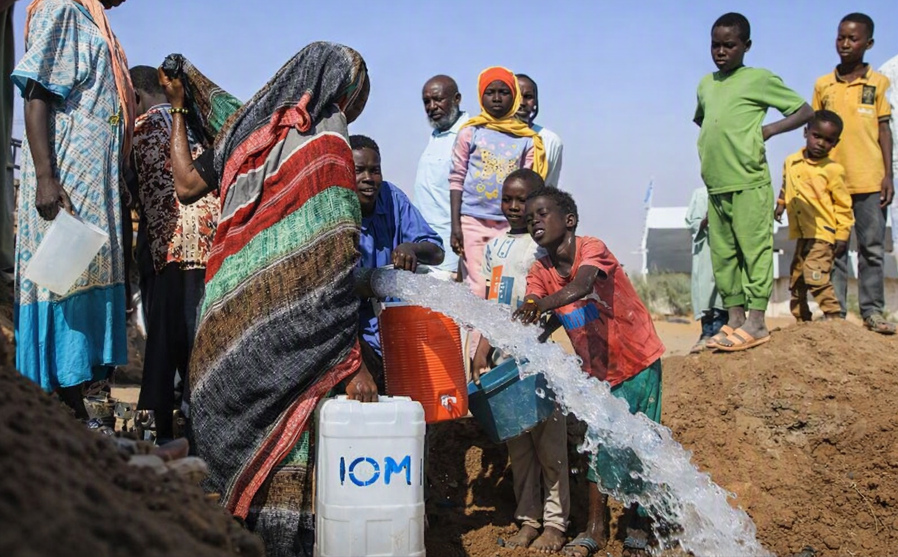
The burden is particularly heavy for displaced families. UNICEF said roughly two-thirds of the people reached with safe water during the first half of 2026 were assisted through emergency interventions targeting displaced people, returnees, cholera-affected communities and other conflict-affected populations.
The organisation is responding through water trucking, chlorination, rehabilitation of treatment plants and solar-powered systems. During the first six months of the year, 4.4 million people received emergency water chlorination and water-quality monitoring, while water facilities in several urban areas were rehabilitated to reduce dependence on fuel-powered systems.
But the renewed cholera outbreak shows how quickly gains can be threatened when fighting, displacement and damaged infrastructure continue at the same time. For many Sudanese families, obtaining enough safe water remains a daily necessity — and an increasingly urgent health concern.


