Families in Sudan are struggling to establish missing relatives’ fate as accounts of mass burials and unidentified remains emerge from former battle zones, Asharq Al-Awsat reported on 15 November.
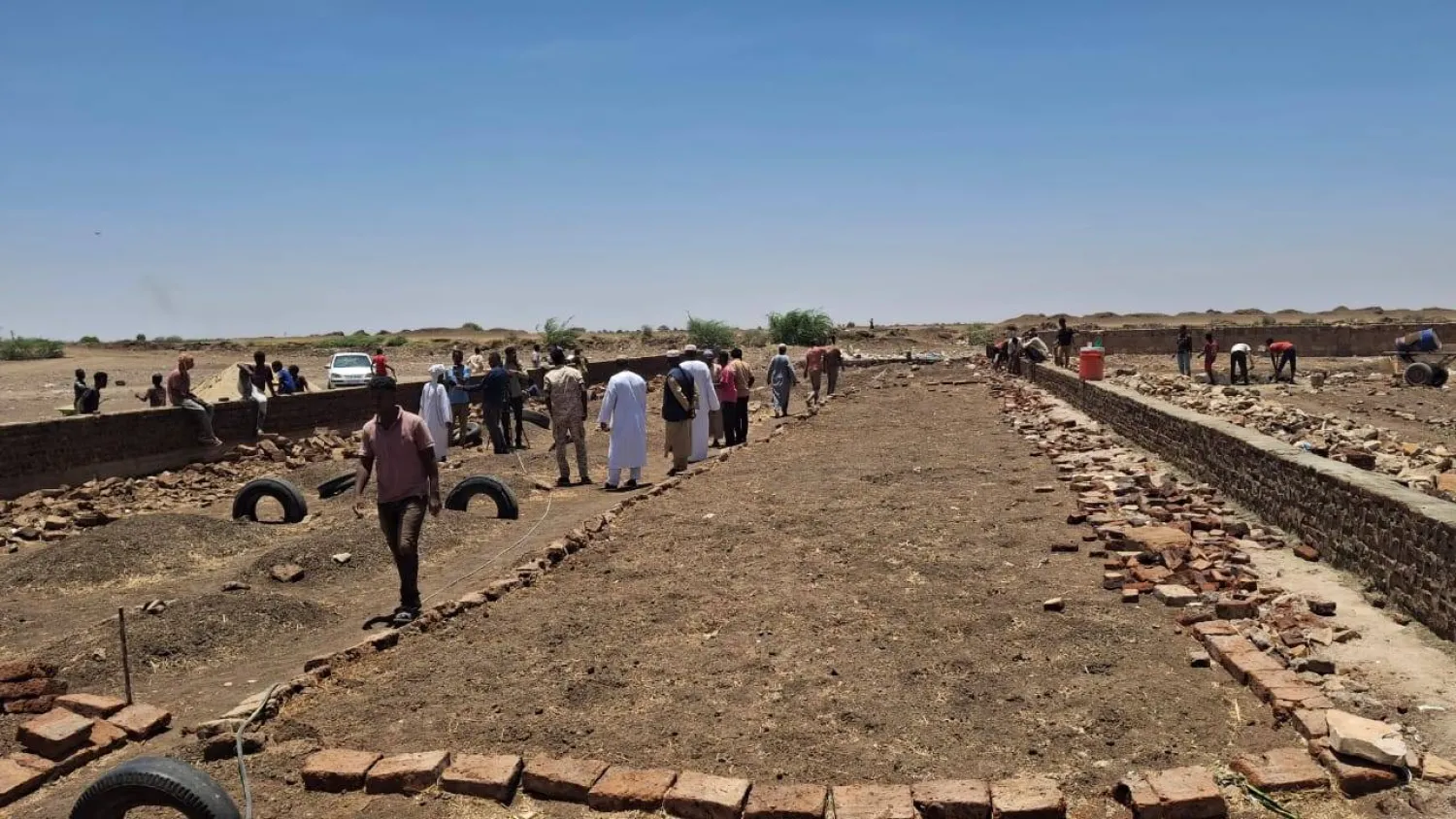
The newspaper’s interviews in Gezira, White Nile and Khartoum described communal graves, emergency burials and the transfer of unidentified bodies from schools and public spaces.
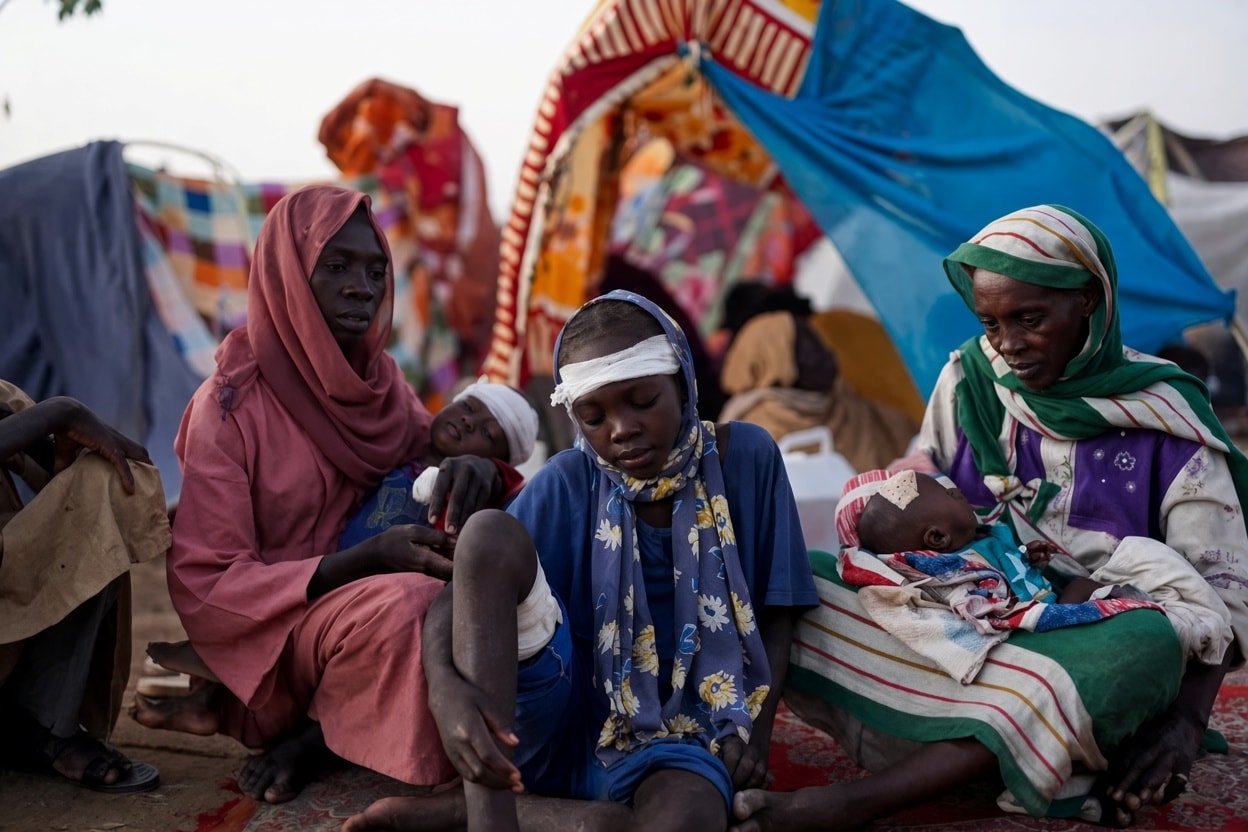
In Hilaliya, Gezira state, Warda Mohamed said five relatives died within two days after developing severe diarrhoea. “My children fell like leaves,” she told the newspaper in Arabic.
She said intravenous fluids were unavailable and that she could not afford payments demanded by Rapid Support Forces personnel to leave the town.
The accounts concern deaths during different phases of Sudan’s war, including the siege of Hilaliya in 2024 and attacks elsewhere in 2024 and 2025. They do not establish a single verified death toll.
Mohamed also alleged that she saw RSF members pour liquid into a well. Her testimony does not establish the substance involved or demonstrate deliberate poisoning.
Contemporaneous medical reporting offered evidence of cholera. On 15 November 2024, a medical source told Reuters that dozens of people who escaped Hilaliya had tested positive.
Doctors and a witness told Reuters that residents had relied on an old well potentially contaminated by sewage after groundwater-pumping equipment was removed. That reporting did not determine the cause of every death.
Asharq Al-Awsat cited the Gezira Conference, a community organisation, as having documented 527 deaths in Hilaliya between 21 October and 17 November 2024.
One resident, Al-Ashar Mohamed, told the newspaper that he lost 37 relatives and helped bury between 70 and 80 people in one day. Another community representative said a football pitch was used for burials after cemeteries filled.
Accounts from Wad al-Noura described similarly urgent burial arrangements following an RSF attack on 5 June 2024.
Two residents told Asharq Al-Awsat that more than 117 people were buried on the first day and that part of the local hospital’s land became a burial ground.
In al-Karadيس, in White Nile state, Idris Hussein told the newspaper that residents buried 27 people in one grave after an attack in February 2025.
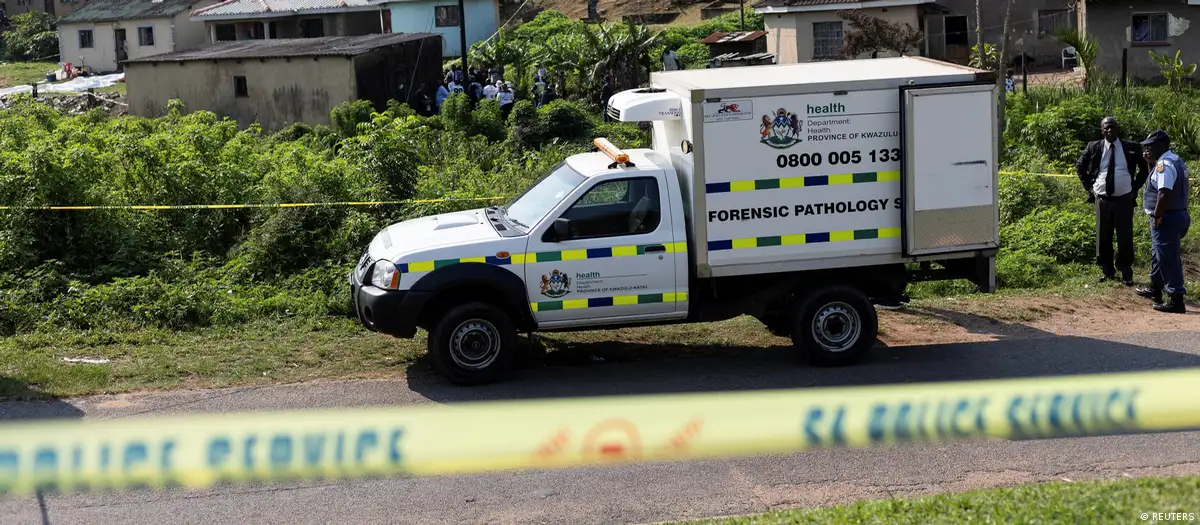
A forensic authority source, whom the newspaper did not name, said unidentified bodies were among those transferred from temporary burial locations in Khartoum.
Ahmed Tugod Lisan, spokesperson for the RSF-aligned Tasis administration, told Asharq Al-Awsat that he had no knowledge of mass graves in areas previously controlled by the force.
He said abuses had been committed by the army, allied forces and members of the RSF.
The identification problem extends beyond these locations. On 29 October 2025, the World Health Organization said it had received reports that more than 460 patients and accompanying people were killed at the Saudi Maternity Hospital in El Fasher the previous day.
WHO presented that figure as a reported toll, rather than the result of an independent forensic count.
A health ministry source quoted by Asharq Al-Awsat warned that reburying unidentified remains without recording each burial location could obstruct families’ searches.
Forensic guidance published jointly by the International Committee of the Red Cross and partner organisations recommends assigning each body a unique reference code and maintaining records that allow remains to be traced.
Its field manual covers burial planning and the use of DNA analysis in identification. The code should remain linked to the body, its documentation and associated evidence.