
The Ebola outbreak in the Democratic Republic of Congo has surpassed 5,000 confirmed cases, with 2,378 deaths recorded as of Sunday, as health authorities struggle to keep pace with transmission in areas affected by insecurity, displacement and heavy population movement.
The latest government figures put the total at 5,021 cases, making the outbreak the largest in the country’s history by both infections and deaths. It is now the second-largest Ebola outbreak globally, behind the 2014–2016 epidemic in West Africa, which caused more than 11,000 deaths.
The World Health Organisation has warned that the virus is spreading at an exceptional pace. WHO Director-General Tedros Adhanom Ghebreyesus said on Tuesday that the outbreak had “spread rapidly and the risk of further national and international spread remains high”. He added: “We must be frank: the epidemic is far from being under control.”
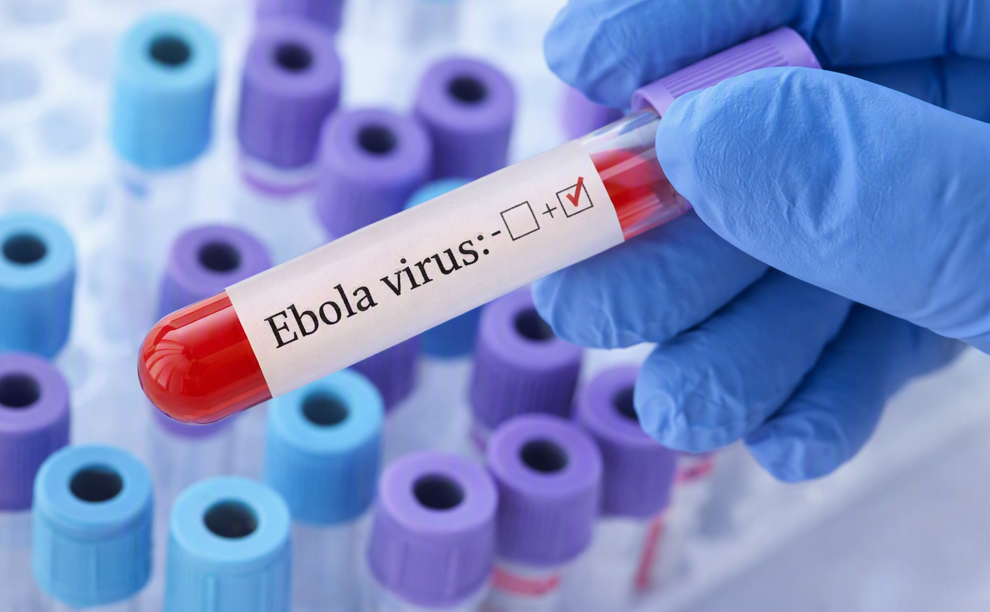
The current outbreak, caused by the rare Bundibugyo species of Ebola, was declared on 15 May. Unlike the Zaire species responsible for previous major outbreaks, there are currently no approved vaccines or specific treatments for Bundibugyo virus, although experimental vaccines and therapies are being studied.
The outbreak initially centred on Ituri province but has since expanded to six provinces. WHO said earlier this month that insecurity, population displacement and movement across borders were complicating efforts to identify cases, trace contacts and deliver care.
Response teams are also facing resistance and difficult working conditions. Health workers have protested over conditions and pay, while an attack on a health team in Aru territory this week involved an ambulance being set on fire and two other vehicles being damaged, according to people involved in the response cited by AP.
The scale of undetected transmission is another concern. Between 70% and 80% of new cases have no known epidemiological link to previously identified patients, according to WHO officials cited by Reuters, suggesting surveillance teams are struggling to keep up with the spread.
WHO officials have nevertheless said the outbreak could still be brought under control within about three months if sufficient resources are made available. The agency said it had secured roughly 60% of the $115 million it was seeking for the response, while an additional 400 treatment beds had been added during the previous two weeks.
The WHO Emergency Committee is reviewing the international health emergency status of the outbreak, while response teams continue surveillance, contact tracing, treatment and community engagement efforts in affected areas.
No comments yet. Be the first to share your thoughts.