
Sudan’s army chief and Sovereignty Council chairman Abdel Fattah al-Burhan has backed a national dialogue involving Sudanese political forces while ruling out any peace settlement that would return the Rapid Support Forces (RSF) to power.
In a speech marking the 72nd anniversary of the Sudanese Armed Forces, Burhan said the army remained open to what he described as “genuine” peace initiatives, but insisted that any settlement must begin with the RSF laying down its weapons and assembling in designated areas.
“Our efforts toward this have not stopped since the first months of the rebellion, but we will not accept an incomplete peace,” Burhan said, according to the Sudanese state news agency as cited by Anadolu. He also rejected a settlement that would return RSF leaders or their supporters to political power or participation.
Burhan said the government had begun discussions with national forces to complete state institutions, including the formation of a legislative council, which he described as a constitutional requirement.
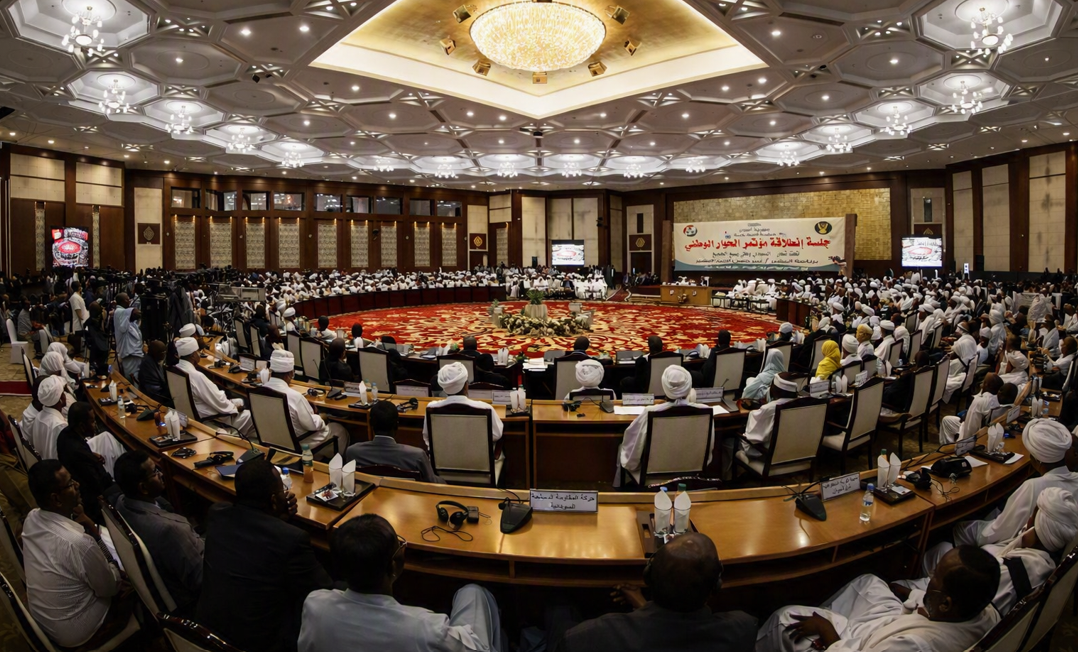
He also said an independent Sudanese group had proposed a comprehensive national dialogue and that the state had agreed to provide legal, political and security guarantees for participants. The government, he said, would not control the dialogue’s agenda or outcomes.
Participants would receive temporary procedural immunity from cases brought by the state, while their views and positions expressed during the dialogue would receive legal protection, according to Burhan’s remarks. Sudan Tribune, which reviewed the initiative, reported that the guarantees were intended to facilitate a dialogue held inside Sudan under an independent national mechanism.
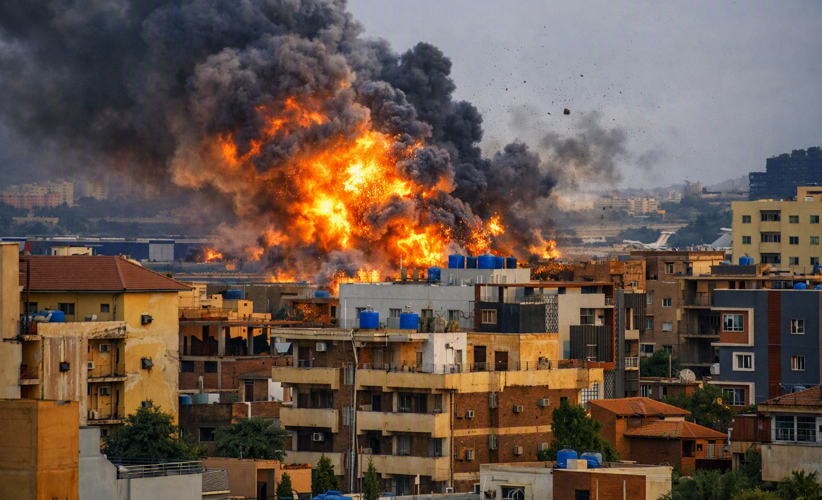
The political opening comes as fighting continues in central and western Sudan. The RSF has recently renewed attacks around El Obeid in North Kordofan, with witnesses reporting drone strikes on the city on 12 August. Medical sources cited by Reuters said two people were killed and others injured in the attacks. Reuters said neither the RSF nor the army immediately claimed responsibility for the drone strikes.
The army and RSF have also reinforced their positions across Kordofan in recent weeks. The RSF retains control of much of Darfur, while the army holds most of the eastern part of the country and has sought to strengthen the government it leads through a national dialogue.
Burhan’s conditions for peace remain centred on the RSF surrendering its weapons, gathering its forces in agreed locations and allowing civilians to return to their areas. He said the status of fighters who were not involved in crimes could then be considered.
The war began in April 2023 after a power-sharing arrangement between the army and RSF broke down amid disputes over the integration of their forces. The conflict has since displaced millions of people. UNHCR data showed about 11.3 million people were forcibly displaced inside Sudan and across its borders as of 20 July 2026, while its latest emergency assessment describes the displacement crisis as one of the largest in the world.
No comments yet. Be the first to share your thoughts.