
A senior Hamas official said Monday that the movement urged mediators to intervene directly to ensure a full halt to Israeli attacks, warning that continued escalation would hinder the implementation of the ceasefire agreement and ongoing negotiations over its timeline.
The official added that Hamas had contacted mediators and requested a clear position regarding the latest escalation in Gaza, stressing that ending the attacks was a necessary step to move forward with the agreement.
Meanwhile, Israel informed the United States of its concerns regarding Trump’s proposed framework for Gaza, according to a statement from the office of Israeli Prime Minister Benjamin Netanyahu.
Netanyahu’s spokesperson Doron Spielman said Israel had shared its observations and concerns with US officials, adding that the version of the plan that was made public does not reflect Israel’s position.
The spokesperson also claimed that Israeli intelligence assessments indicated that Hamas had rebuilt its military capabilities and recruited additional members since Trump announced a ceasefire in October.
He said Israel believes Hamas’s actions show preparations for future attacks, adding that any lasting arrangement would require the complete and verifiable disarmament of the group.
"Any measure that does not result in full disarmament would leave Hamas with the ability to threaten Israel again," the spokesperson said.
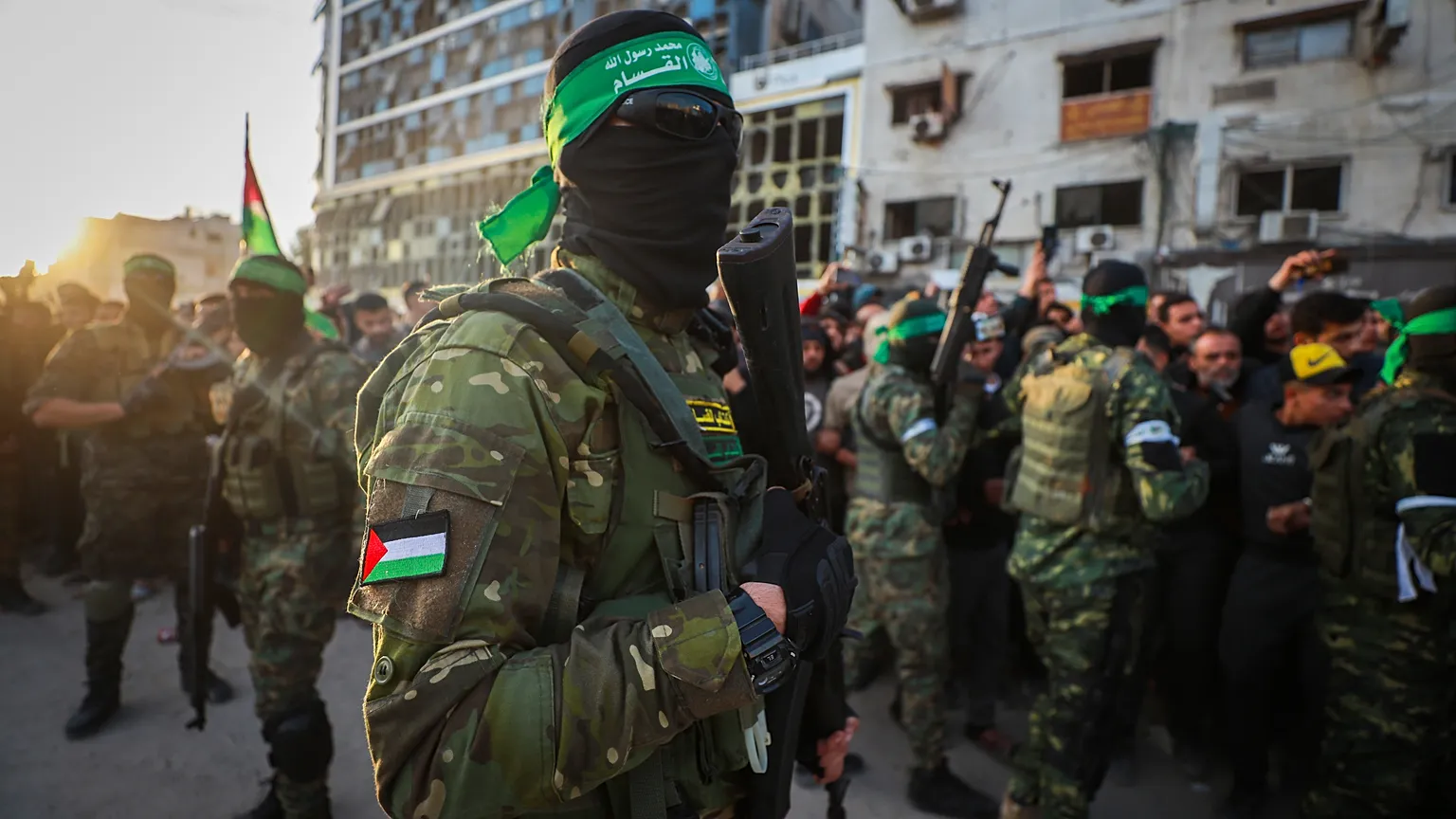
An Israeli official, speaking anonymously, said earlier that Israel, which still controls large areas of Gaza, would not withdraw its forces under the plan until it verifies that Hamas has been disarmed.
Israeli airstrikes on Gaza have continued, killing 19 Palestinians and injuring dozens since Sunday.
On Friday, Trump and the so-called Peace Council announced that Hamas had agreed to a roadmap for implementing the next phase of the ceasefire agreement, including an Israeli withdrawal from Gaza and the transfer of Hamas’s weapons.
Hamas later said that stopping Israeli attacks and ending the killing of Palestinians were essential steps before moving forward with the second phase of the agreement and establishing a timeline for implementation.
No comments yet. Be the first to share your thoughts.