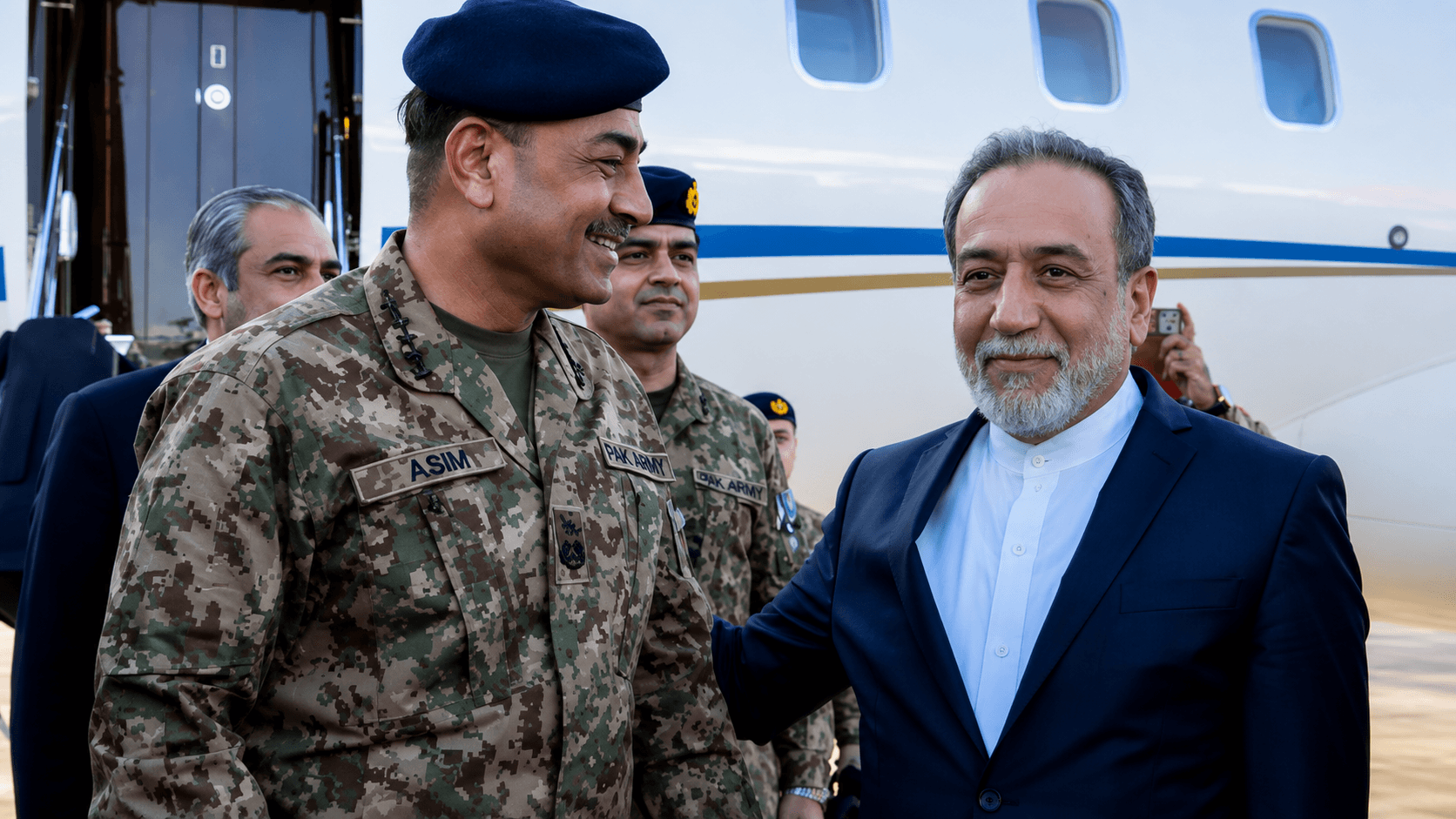
Pakistan’s army chief, Field Marshal Asim Munir, arrived in Tehran on Monday with Interior Minister Mohsin Naqvi as Islamabad seeks to revive stalled efforts to end the conflict between Iran and the United States.
Pakistan’s military said Munir’s visit is part of the country’s efforts to promote regional peace and stability, with the field marshal focusing on a “peaceful, lasting and comprehensive resolution” to the conflict in the Middle East.
Munir was expected to hold talks with senior Iranian officials. Iranian state media later reported that he and Naqvi met Iran’s Interior Minister Eskandar Momeni shortly after their arrival.
The visit comes as negotiations between Washington and Tehran remain stalled. Pakistan has sought to act as an intermediary between the two sides and helped broker the Islamabad Memorandum of Understanding in June, which established a framework for further negotiations. The process subsequently faltered as fighting resumed and differences between Iran and the US persisted.
The latest trip also follows a previously undisclosed telephone conversation between Munir and US President Donald Trump last week, according to three Pakistani sources cited by Reuters.
One of the sources said Washington asked Islamabad to use its influence with Tehran to encourage Iran to return to negotiations. Two sources said the call was initiated by Trump. The White House had not publicly confirmed the conversation, and Reuters said it was unclear what was discussed in detail.
A Pakistani source told Reuters that there is a “trust deficit on both sides” between Iran and the US, saying Munir’s aim was to help reduce that gap.
The talks are taking place against a sharp deterioration in relations between Washington and Tehran. Trump has threatened further economic pressure on Iran, while Tehran has warned of a military response to new US sanctions. The United States is expected to announce details of the measures on Monday.
The Strait of Hormuz is another major issue surrounding the diplomatic effort. Iran has threatened to keep the strategic waterway closed and to respond to unauthorised oil shipments, while Washington has made restoring freedom of navigation a central concern.
Pakistan’s foreign ministry has said Islamabad remains committed to facilitating dialogue between Iran and the US. In an August briefing, it said Pakistan was making “all out efforts” to bring the two sides back to the negotiating table and described the Islamabad memorandum as a framework for continued engagement.
Munir has previously travelled to Tehran as part of Pakistan’s mediation efforts, including during earlier rounds of negotiations. His latest visit comes as Islamabad attempts to keep diplomatic channels open despite the collapse of the previous negotiating timetable.


