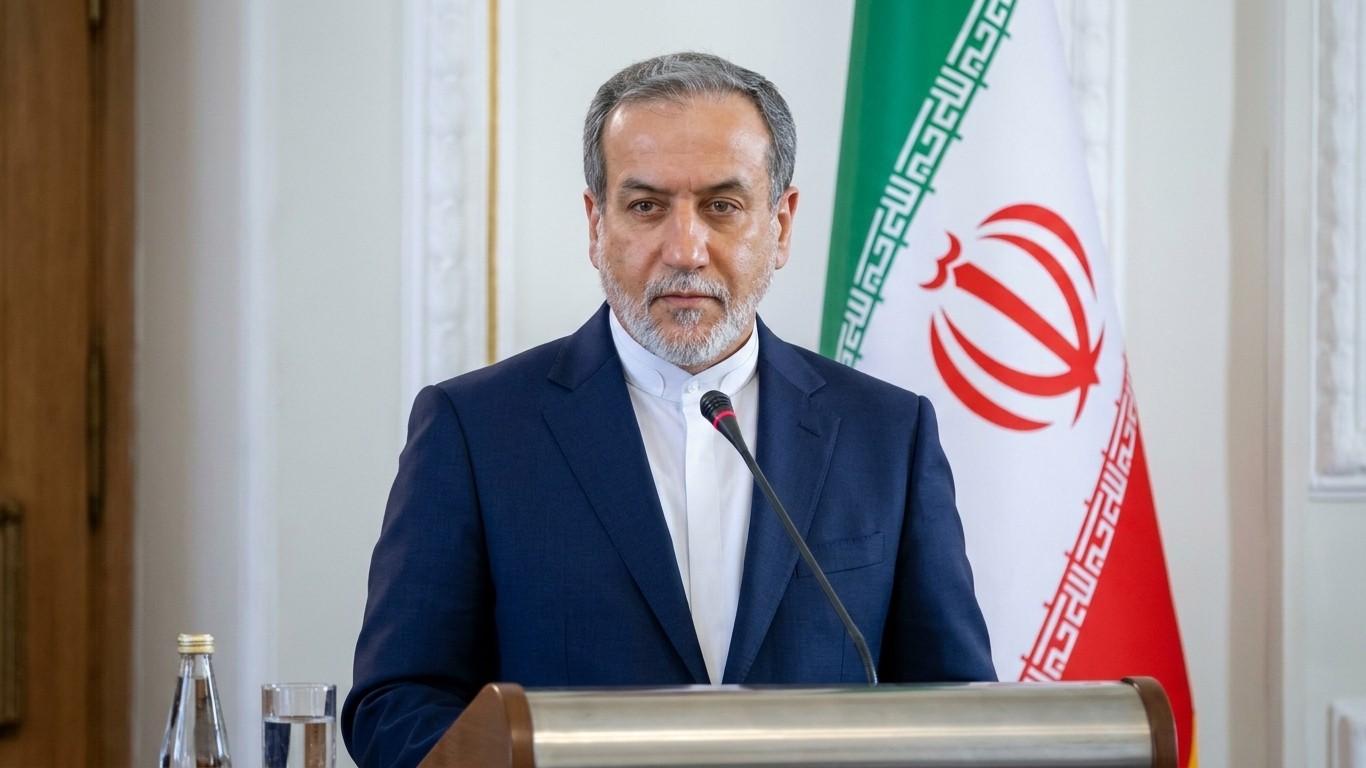
Iranian Foreign Minister Abbas Araghchi said on 10 November that no meeting was planned between US Vice President JD Vance and Iranian security chief Mohsen Rezaei, Iran’s state news agency IRNA reported.
Araghchi rejected reports of a possible meeting in Doha, describing them as baseless. The denial followed an announcement by Turkey’s intelligence chief that the two officials were expected to meet in Qatar next week.
“There is no plan for such a meeting,” Araghchi told IRNA.
The Turkish intelligence chief, Ibrahim Kalin, had said on 9 November that Vance and Rezaei were expected to hold talks in Doha. He described the proposed meeting as an opportunity to advance negotiations between Washington and Tehran, according to Iran International, which cited a report in the Turkish newspaper Türkiye.
An Iranian security official had also denied plans for the meeting on 9 November, telling the IRGC-affiliated Tasnim news agency that Tehran would not consider negotiations until Washington took practical steps towards meeting Iran’s conditions.
Araghchi said the conflict could not be ended through military action or tighter sanctions. He argued that diplomacy and acceptance of Tehran’s demands were the only route to an agreement.
“Use the language of respect and diplomacy,” he said, adding that US President Donald Trump would eventually recognise that economic pressure had been the wrong approach.
The statements came as Qatar continued efforts to bring the two sides closer. Qatari Prime Minister Sheikh Mohammed bin Abdulrahman Al Thani met Trump and Vance in Washington on 9 November, as regional mediators sought to revive negotiations.
Qatar has been relaying proposals between the two governments. Axios reported that mediators, including Qatar, Pakistan, Saudi Arabia, Egypt and Turkey, were discussing a two-day framework intended to build confidence before wider negotiations.
Under the framework described by Axios, Washington would first lift its naval blockade of Iranian ports and release some frozen Iranian funds. Tehran would then invite the International Atomic Energy Agency to send inspectors to nuclear sites damaged during the conflict. The Strait of Hormuz would reopen on the second day, followed by renewed nuclear negotiations.
Separately, sources cited by Al Arabiya and Al Hadath described a Qatar-Pakistan proposal that would lift the US maritime blockade and reopen the Strait of Hormuz. They said it could also involve releasing between $6 billion and $9 billion in Iranian assets if an agreement was reached.
The reported proposal includes arrangements to discuss the return of international nuclear inspectors to Iran. It also envisages an initial understanding on reducing uranium enrichment, with a possible limit of 3.67% for enrichment inside Iran, according to the sources.
Neither Washington nor Tehran has publicly confirmed those reported financial and nuclear terms.
The two governments remain divided over the order of concessions. Iran wants the US blockade and sanctions lifted before negotiations begin, while Washington has criticised Tehran’s demands.
US Secretary of State Marco Rubio said on 8 November that indirect negotiations had made little progress and that a breakthrough was not imminent. He described some Iranian conditions as unrealistic, according to Reuters.
Iranian Foreign Ministry spokesman Esmaeil Baghaei defended Tehran’s position on 9 November, saying the United States should lift sanctions and its naval blockade and end the war on all fronts before talks resume.
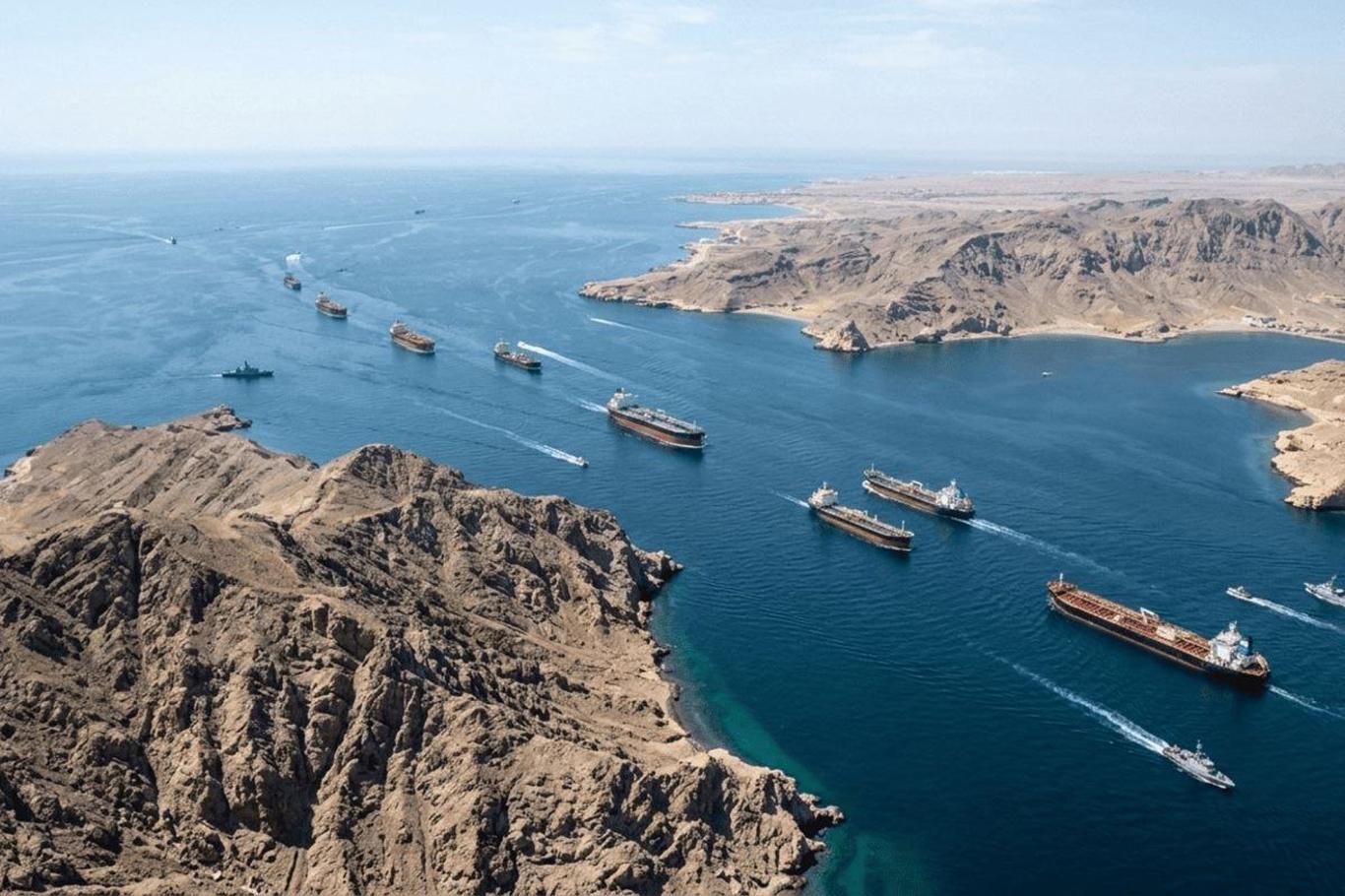
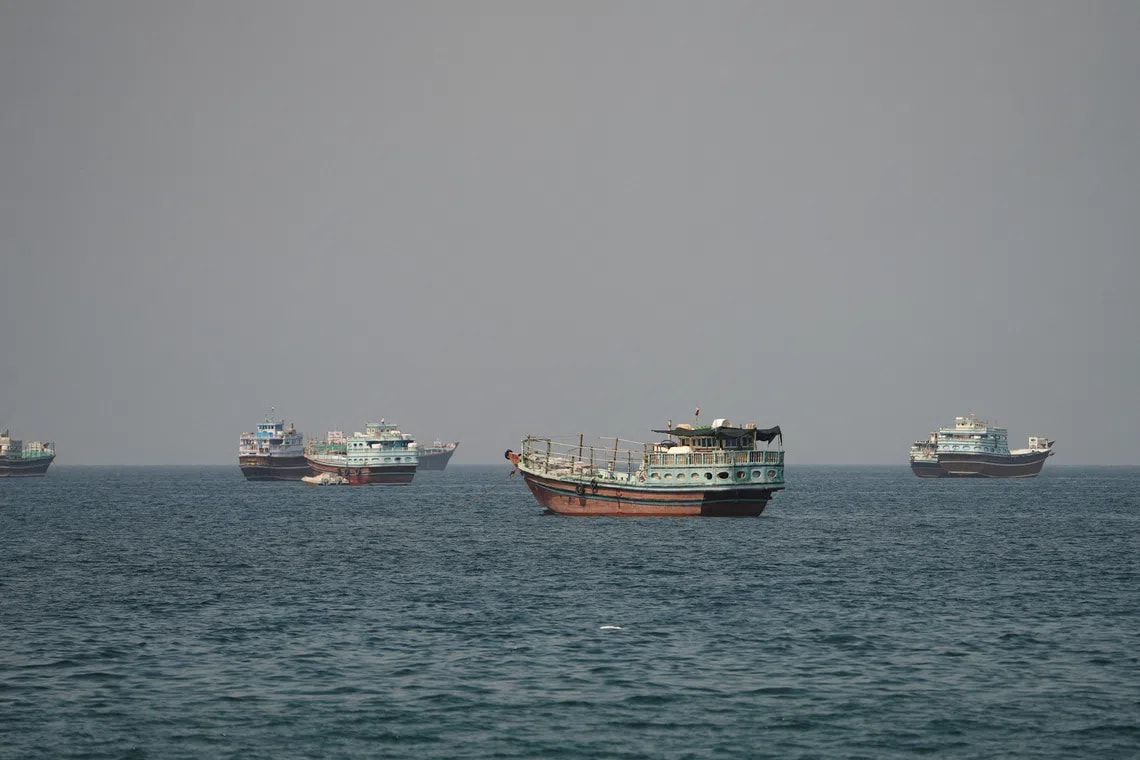
The latest diplomatic efforts follow the conflict launched by the United States and Israel against Iran on 28 February. The Strait of Hormuz, a vital route for global energy shipments, remains central to negotiations over maritime access and the future of the conflict.