The latest claims came as Iran accused the United States of failing to respond adequately to its demands for an end to hostilities, while American and Israeli officials continued considering the possibility of renewed military action.
US President Donald Trump has said Washington does not intend to resume bombing Iran before the 3 November congressional elections, but Tehran remains concerned that another offensive could follow. Iran insists on ceasefire conditions Iranian Foreign Ministry spokesman Esmaeil Baghaei said on 20 October that Tehran had not received an adequate American response to the seven conditions it previously submitted through Qatari mediators.
He said those demands remained unchanged and included ending hostilities across the region, lifting the US naval blockade and releasing frozen Iranian funds.
Baghaei said Tehran was prepared to pursue diplomacy but would respond to any further military attack.
Iranian Foreign Minister Abbas Araqchi had said on 18 October that a proposal to reopen the Strait of Hormuz within seven days remained available if Washington accepted Tehran's conditions.
The plan, conveyed through Qatar, also calls for relief from restrictions on Iranian oil exports and a broader cessation of hostilities.
The United States has sought to include Iran's nuclear programme at the beginning of negotiations, while Tehran insists that immediate discussions should focus on ending the war and restoring maritime access.
US Vice President JD Vance has demanded significant reductions in Iran's uranium enrichment as a condition for progress, according to Reuters. Washington considers military options The diplomatic impasse has coincided with reports of preparations for another possible American military campaign.
The New York Times reported that US military planners had developed options for an approximately three-day operation targeting Iranian missiles and drones, with possible strikes against energy infrastructure and facilities linked to the Revolutionary Guards.
The Jerusalem Post separately reported that Israel's military leadership had been briefed on American preparations and the potential effect of renewed fighting on Israel's 27 October parliamentary election.
Those reports describe contingency planning rather than an authorised operation.
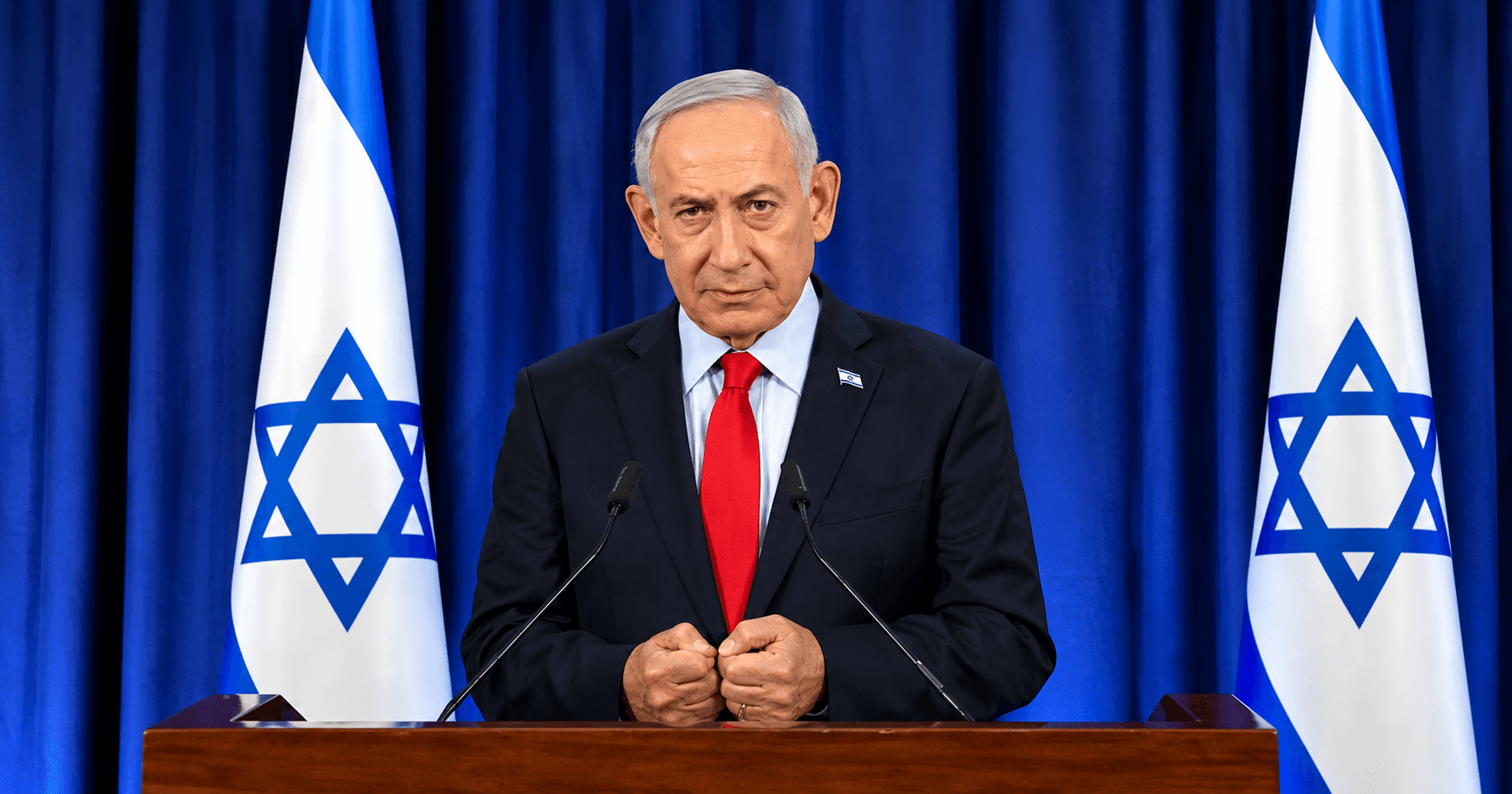
US Defence Secretary Pete Hegseth discussed Iran with Israeli Prime Minister Benjamin Netanyahu during an unannounced visit to Israel on 19 October, according to three Israeli officials cited by Reuters.
The officials said their discussions addressed military cooperation and the regional security situation.
Netanyahu has warned Tehran against launching new attacks on Israel, while indicating that a return to war immediately before the Israeli election would be undesirable.
Trump has publicly expressed support for Netanyahu's continued leadership. Tehran sees political leverage in stalemate Three senior Iranian officials and another person familiar with Tehran's thinking told Reuters that Iranian leaders were deliberately prolonging negotiations to avoid providing Trump with a diplomatic victory before the US midterm elections.
The officials said they believed Washington might eventually resume attacks and were preparing for that possibility rather than expecting an imminent agreement.
Tehran's calculations reflect deep distrust following earlier American and Israeli strikes that interrupted previous diplomatic efforts, the officials said.
One Iranian official described the leadership as unwilling to offer concessions that could help Trump politically while leaving Iran exposed to further attacks.
The prolonged confrontation also carries serious economic costs for Iran.
Annual inflation reached 73.6% in September, according to the Statistical Centre of Iran, while the rial has lost nearly 35% against the dollar since Washington reintroduced its maritime blockade in July, Reuters reported.
Iran's seaborne crude exports had fallen to zero by early October, according to figures from energy intelligence company Vortexa cited by Reuters. Pakistan seeks to revive negotiations Pakistan's army chief, Field Marshal Asim Munir, arrived in Tehran on 20 October for talks with senior Iranian officials as Islamabad continued efforts to mediate between Washington and Tehran.
Iran's official IRNA news agency reported the visit, while Qatar separately said communication between the two adversaries had not stopped.
Pakistan previously helped negotiate an April ceasefire and a June memorandum of understanding addressing the naval blockade, sanctions and the reopening of Hormuz.
Under that agreement, the United States was expected to remove its blockade within 30 days, with further negotiations covering Iran's nuclear programme and frozen assets.
The proposed timetable expired without a comprehensive settlement.
Analysts disagree on whether the memorandum can still provide a workable basis for renewed negotiations. Shipping remains under pressure The Strait of Hormuz has remained severely disrupted since the United States and Israel launched strikes against Iran on 28 February.
Before the war, approximately one-fifth of global oil and liquefied natural gas trade passed through the waterway.
Iranian attacks and threats against shipping, together with American restrictions on Iranian ports, have sharply reduced maritime traffic.
Reuters reported on 20 October that oil tanker freight costs had climbed towards record levels, forcing Asian refiners to reconsider shipping routes and vessel sizes.
Brent crude remained above $100 a barrel as traders assessed risks to energy infrastructure and maritime transport.
Iran maintains that its restrictions are a response to the American blockade. Washington says pressure on Tehran is necessary to constrain its military and nuclear activities.
For now, the proposed reopening of Hormuz remains conditional on concessions neither side has agreed to make, while Pakistan and Qatar continue their efforts to establish a negotiating framework.