US President Donald Trump said Washington was taking seriously a reported Iranian plan involving a radioactive device in the American capital, after CNN published an intelligence-based account on 16 November.
Trump addressed the allegations on 17 November while speaking to reporters in Manila during his visit to the Philippines. The report said Tehran was developing options for a possible attack targeting senior members of his administration.
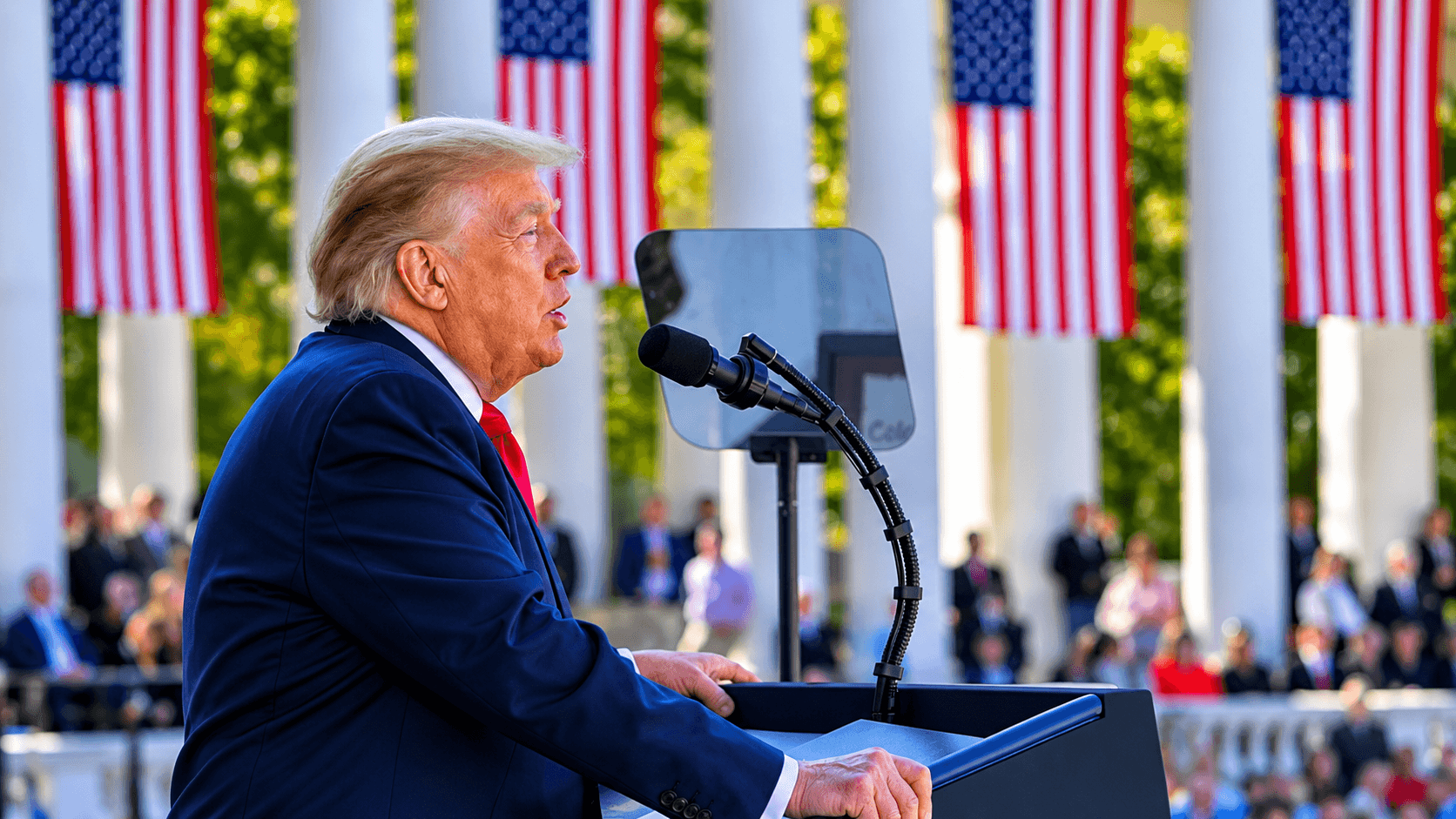
"We're looking into it," Trump said when asked about the alleged plan.
Asked whether an attack could be imminent, he warned Iran of severe consequences. "If there is, they will pay a price the likes of which no country has ever paid before," he said.
Trump added that he hoped the reported threat would not materialise but said the administration was treating the information seriously.
The allegations originated in a CNN investigation published on 16 November. The network cited seven US officials familiar with intelligence assessments indicating that Iran was considering a radioactive dirty bomb or a chemical weapon attack in Washington.
According to CNN's sources, the reported planning identified specific locations and potential targets, including senior Trump administration officials. The information has prompted US authorities to discuss contingency measures and possible responses.
However, the intelligence does not establish that an attack is imminent. Officials remain divided over whether Iran has the operational capability or intention to carry out such an operation. Sources described the planning as an effort to develop potential options rather than evidence of an impending attack.
The White House also sought to distinguish the intelligence concerns from an immediate threat to the country. Spokesperson Lauren Bis said the administration was monitoring potential dangers but that there were no credible threats to the US homeland at the time, according to CNN.
Iran rejected the allegations. Its Foreign Ministry spokesperson described the claims as "baseless" in a post on X on 17 November.
CNN also reported that US intelligence had intercepted communications suggesting bomb-making materials might already have been placed inside the United States. However, officials reportedly disagreed over the credibility of that information.
The intelligence assessments extend beyond Washington. CNN reported that American authorities were separately examining indications that Iran could consider using chemical weapons against US military personnel stationed in the Middle East.
Iran's diplomatic mission to the United Nations rejected the chemical weapons allegations, describing them as false and fabricated. The mission said Iran considered the use of chemical weapons illegitimate under any circumstances. Its statement did not specifically address the reported dirty-bomb planning.
A dirty bomb combines conventional explosives with radioactive material to spread contamination. Unlike a nuclear weapon, it does not produce a nuclear explosion or trigger a nuclear chain reaction. Its effects can include radioactive contamination, disruption to affected areas and public alarm.
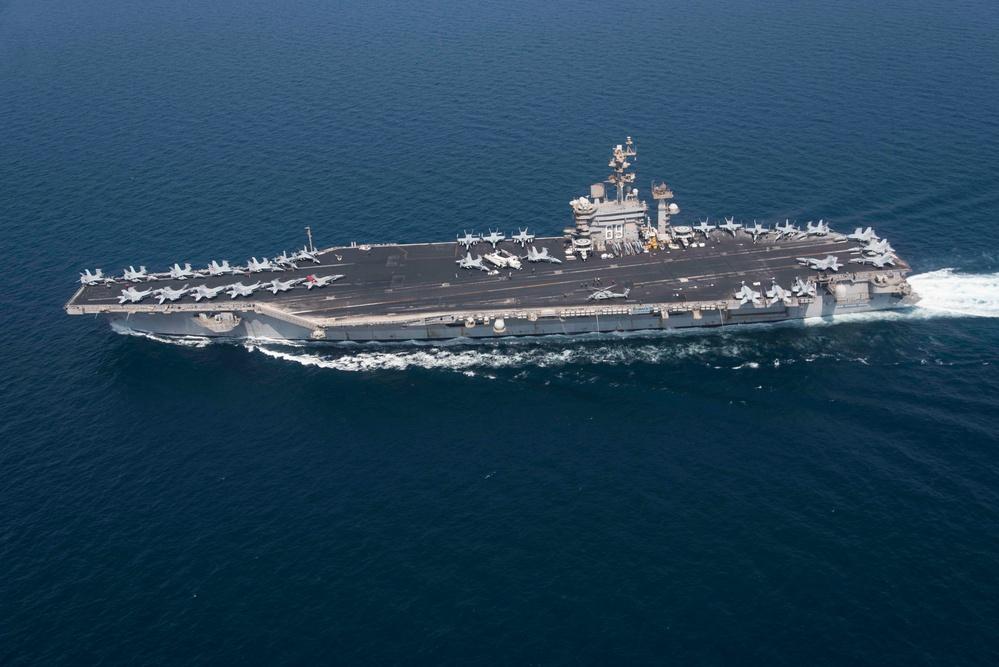
The latest allegations emerge during an ongoing confrontation between Washington and Tehran, with military tensions and stalled diplomatic efforts complicating relations between the two countries.
The US Office of the Director of National Intelligence declined to comment on the intelligence assessments, CNN reported.