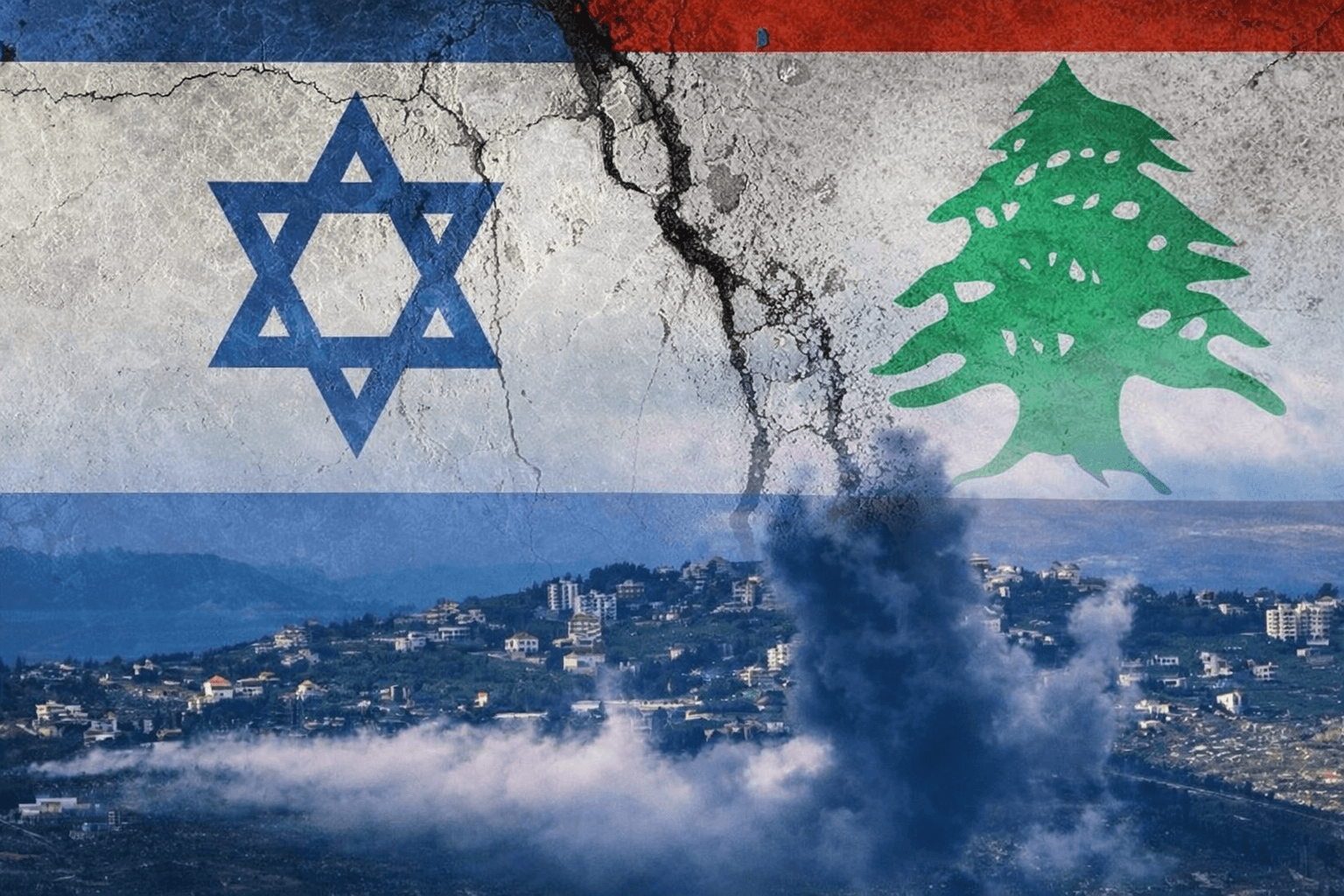
Bloomberg leaked a draft of the memorandum, which includes ending hostilities on all fronts, committing to a final deal within 60 days, lifting Iran’s naval blockade, and releasing frozen assets while maintaining the current nuclear status. According to Al Jazeera’s Elias Karam, Israeli institutions are attempting to separate the U.S.-Iran deal from developments in Lebanon, fearing its outcomes could affect Israel’s security and political calculations. Some circles suggest pursuing a political agreement with Lebanon, possibly even a broader peace deal addressing Hezbollah’s weapons, to balance regional changes.
Military officials criticized the government for failing to translate battlefield gains in southern Lebanon into political leverage. Security agencies expressed frustration at the lack of a clear strategy to address the U.S.-Iran rapprochement, urging political leaders to seize the moment for talks with Lebanon. Yet Prime Minister Benjamin Netanyahu and key ministers reject withdrawal from newly occupied areas, insisting on maintaining security requirements for northern residents. The army chief proposed retaining the security belt under Israeli control, ensuring military freedom of action, and creating mechanisms to disarm Hezbollah. Israel attaches importance to the upcoming June 22 meeting with Lebanese delegations, which could shape responses to the new regional reality.