Gazatte
Independent journalism
  • Gold$3,524.850.00%
  • Bitcoin$59,042.25▼ down 1.65%
  • EUR/USD1.09680.00%
  • USD/ILS3.34120.00%
  • Ethereum$1,659.65▼ down 1.01%
  • GBP/USD1.30800.00%
  • USD/EGP53.810.00%
  • Silver$40.990.00%
  • USD/JPY158.550.00%
  • USD/TRY50.540.00%
  • USD/JOD0.70900.00%
  • USD/SAR3.75180.00%
  • Gold$3,524.850.00%
  • Bitcoin$59,042.25▼ down 1.65%
  • EUR/USD1.09680.00%
  • USD/ILS3.34120.00%
  • Ethereum$1,659.65▼ down 1.01%
  • GBP/USD1.30800.00%
  • USD/EGP53.810.00%
  • Silver$40.990.00%
  • USD/JPY158.550.00%
  • USD/TRY50.540.00%
  • USD/JOD0.70900.00%
  • USD/SAR3.75180.00%
Skip to content
Gazatte
Middle EastPalestineWorldPoliticsBusinessCultureOpinionMarkets
Gazatte
Menu
Log in

Sections

Middle EastCurrentLebanonSyriaYemenGulfIran-Israel War
PalestineGazaWest BankJerusalemPalestinians of '48
WorldAmericasRussia-Ukraine WarEuropeAsia-PacificAfricaMore world news
PoliticsU.S. PoliticsEuropean PoliticsElectionsDiplomacy & Foreign PolicyInternational Law & Human Rights
Business
Culture
Opinion
Sports
Travel
Language
GazatteMiddle East & World News
Log in
/
Gazatte
BusinessCultureOpinionMarkets
  1. Middle East
  2. ·
  3. Iran-Israel War

After the Settlement: Is Iran Entering a Post-Revolutionary Phase?

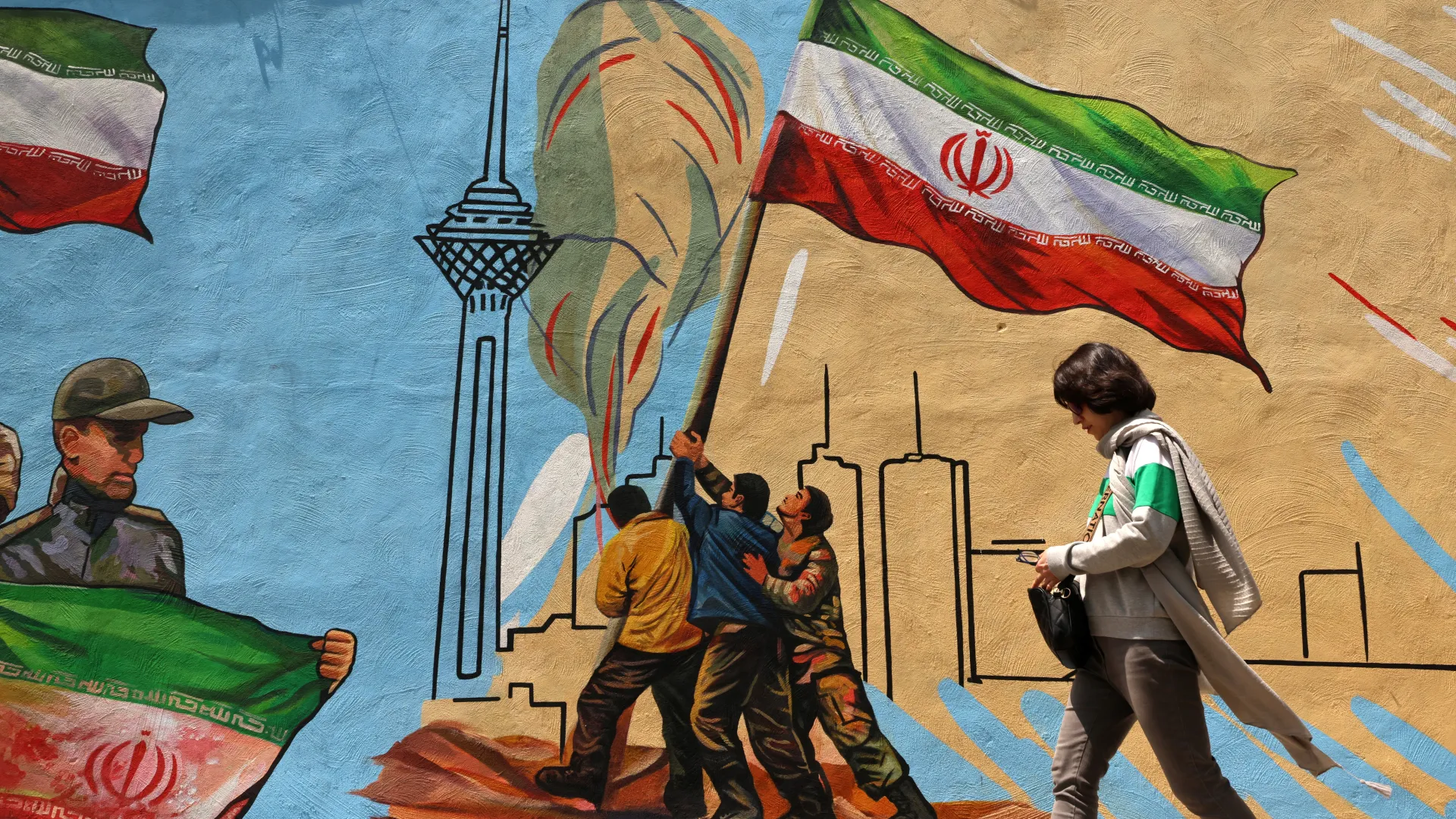
If the coming days, weeks, or even months witness a final agreement between the United States and Iran, ending decades of tension and confrontation, the key question may not be what each side gained at the negotiating table, but how Iran will view itself afterward, and what changes might emerge.

By Gazatte Staff

16 June 2026, 14:18 GMT · Updated 6 October 2026, 11:32 GMT · 2 min read ·

After the Settlement: Is Iran Entering a Post-Revolutionary Phase?
For nearly half a century, Iranian policy has been built on a mix of ideology, security, and revolutionary identity. This framework mobilized domestic support and expanded influence abroad. Yet recent economic crises, social pressures, and military clashes have prompted many Iranians to ask anew: what has Iran truly gained from its external project, and at what cost? Such questions, once limited, are now expected to spread widely once the guns fall silent.

One idea under review is the notion that “Iran fights abroad to avoid fighting at home.” The assumption that regional expansion secures national defense has been challenged by evidence that external conflicts often intensify internal pressures. As a result, some circles inside and outside Iran are discussing a gradual shift from revolutionary identity toward a more national-interest orientation. This does not mean abandoning the Islamic Republic’s legacy, but reprioritizing state and citizen interests over transnational ideological missions.

The issue of Iran’s regional “proxies” is central. Long considered pillars of deterrence, these networks now carry costs outweighing benefits. In Iraq, some armed groups have begun integrating into state institutions, signaling a move from militancy to politics. In Lebanon, repeated conflicts have eroded resources, leadership, and public sympathy, raising questions about balancing national stability with regional agendas. In Yemen, prolonged war has drained all sides, making political settlements more attractive. Even the Palestinian file may undergo reassessment, with some arguing that political support could continue without reliance on the same militant tools, especially after Gaza’s devastation.

The most profound shift may occur in Iran’s political discourse. Since 1979, revolutionary rhetoric and hostility toward the “Great Satan” have been central to mobilization. A stable settlement with Washington would strip this narrative of its traditional function, forcing Iran to seek new foundations for legitimacy. History shows that entrenched ideas can change when circumstances demand. Iran may not abandon its revolutionary heritage overnight, but it could begin a slow transition from perpetual revolution to permanent statehood, from external expansion to internal development, and from pursuit of influence to pursuit of stability.
More in Iran-Israel War
  • US-IRAN TENSIONSTrump says US takes reported Iranian dirty bomb threat seriously
  • MARITIME SECURITYIran tanker claims put Strait of Hormuz on alert
  • IRAN DIPLOMACYAraghchi denies planned Vance-Rezaei meeting as Iran talks continue
  • IRAN SANCTIONSIran’s Guards dismiss US ‘Iron Gate’ plan as ‘wordplay’

Ultimately, Iran may discover that its most important battle lies not beyond its borders but in forging a new social contract between state and society—one that answers future questions rather than reliving past struggles. In such a scenario, yesterday’s enemies could become tomorrow’s partners, reminding us that even the fiercest conflicts can evolve into unexpected alliances.

Gazatte follows its Editorial Policy. Spotted an error? Tell us.

Add Gazatte as a preferred source on Google

More in Iran-Israel War

  • US-IRAN TENSIONSTrump says US takes reported Iranian dirty bomb threat seriously
  • MARITIME SECURITYIran tanker claims put Strait of Hormuz on alert
  • IRAN DIPLOMACYAraghchi denies planned Vance-Rezaei meeting as Iran talks continue
  • IRAN SANCTIONSIran’s Guards dismiss US ‘Iron Gate’ plan as ‘wordplay’

More from Iran-Israel War

  • Hegseth removes Pentagon planner as Trump weighs Iran strikes
    PENTAGON LEADERSHIP

    Hegseth removes Pentagon planner as Trump weighs Iran strikes

  • Iran says mines hit two tankers as US war threats grow
    IRAN WAR TENSIONS

    Iran says mines hit two tankers as US war threats grow

  • India says 12 crew injured in tanker attack in Hormuz
    HORMUZ SHIPPING ATTACK

    India says 12 crew injured in tanker attack in Hormuz

  • Iran’s Guards appeal to US voters as Hormuz mediation continues
    US-IRAN TALKS

    Iran’s Guards appeal to US voters as Hormuz mediation continues

  • Iran holds to Hormuz conditions after Trump rejects seven-day plan
    US-IRAN CONFLICT

    Iran holds to Hormuz conditions after Trump rejects seven-day plan

  • Pezeshkian vows no surrender as Iran reviews US response
    IRAN-US DIPLOMACY

    Pezeshkian vows no surrender as Iran reviews US response

Gazatte

Independent news and analysis on the Middle East and the world.

Follow us
Add Gazatte as a preferred source on Google

Sections

  • Latest news
  • Markets
  • Palestine
  • Middle East
  • Politics & Diplomacy
  • Opinion
  • Business & Economy

About Gazatte

  • About Us
  • Our Newsroom
  • Editorial Policy
  • Corrections
  • Ownership & Funding

Contact

  • WhatsApp +44 7488 813779
  • support@gazatte.co
  • Contact Us

© Gazatte. All rights reserved.

  • Privacy Policy
  • Terms of Use
  • Cookie Policy