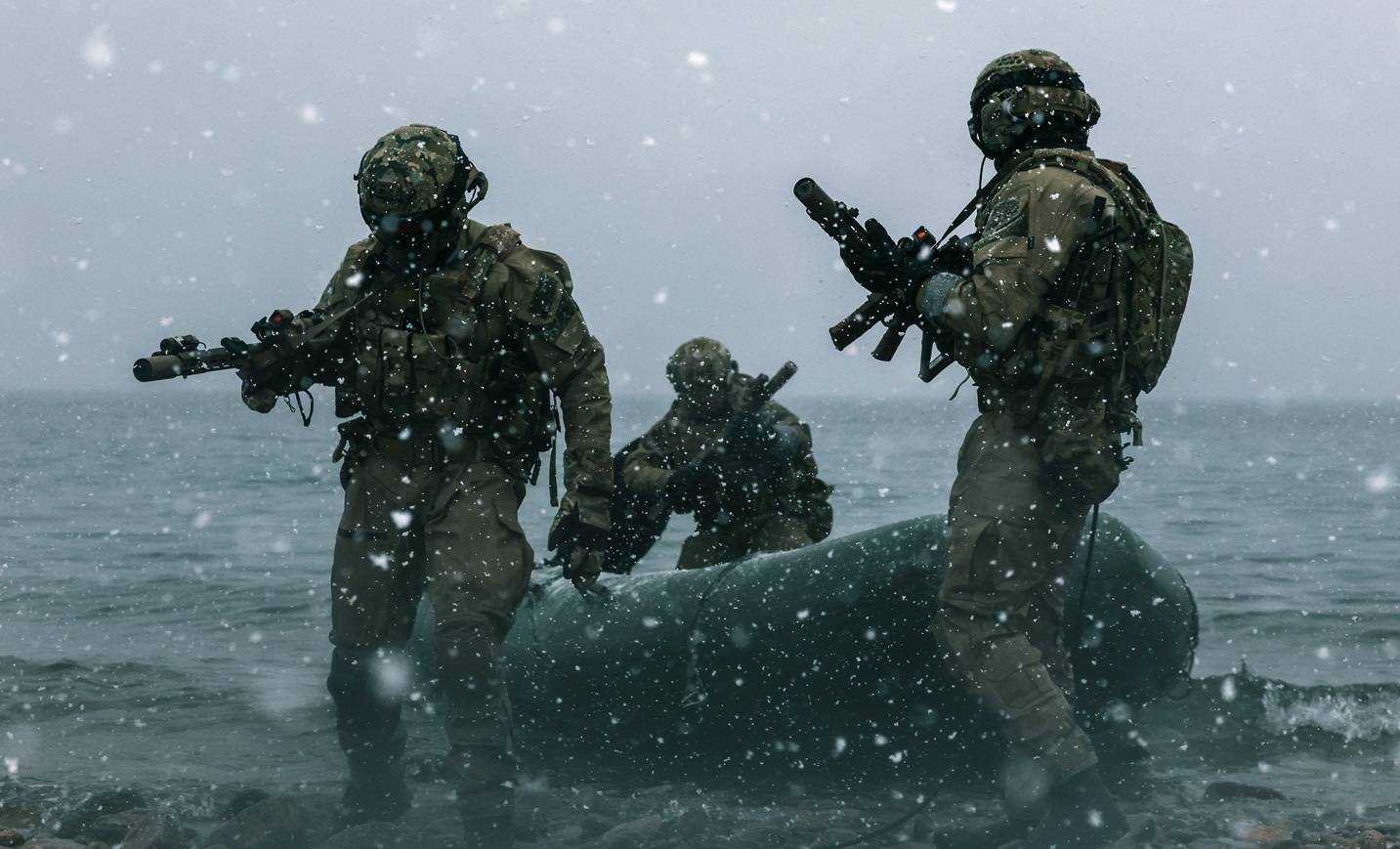
NATO’s top military commander said the alliance was prepared to fight immediately if attacked, while stressing that he did not regard conflict as imminent or inevitable.
US Air Force General Alexus Grynkewich, NATO’s Supreme Allied Commander Europe, outlined how allied forces would respond to an assault during the Warsaw Security Forum on 12 October 2026.
The alliance was “ready to fight tonight”, Associated Press reported him as saying. His presentation described a sequence of military actions intended to stop an initial attack, prevent further advances and, if necessary, dismantle the military systems sustaining it.
Reuters reported that Grynkewich did not name Russia in the speech, although the agency described his warning as directed at Moscow.
“If someone is foolish enough to attack us, we will fight,” he said, according to Reuters.
The general said the response could extend beyond the troops conducting an assault to the systems supporting and controlling them, Reuters reported.
Stars and Stripes reported that his approach would combine ground forces with air and naval power, supported by space and cyber capabilities. Sensors, drones and coordinated attacks would be used to prevent an offensive from gathering momentum.
The intended targets in a later phase would include the attacking force’s logistics, communications and command structures, according to the newspaper’s account.
Grynkewich said the objective would be to defeat the forces involved in an attack and their supporting military systems, rather than pursue a broader strategic defeat of the adversary, Stars and Stripes reported.
NATO’s collective defence commitment is set out in Article 5 of its founding treaty. The alliance explains that an armed attack against one member is considered an attack against all, creating an obligation to assist.
Each member determines the action it considers necessary. NATO says that assistance may include armed force but does not necessarily require it, and whether an incident qualifies as an armed attack is assessed case by case.
Grynkewich also emphasised communication as a means of preventing conflict. According to AP, he said maintaining open channels to resolve misunderstandings should accompany military preparedness.


