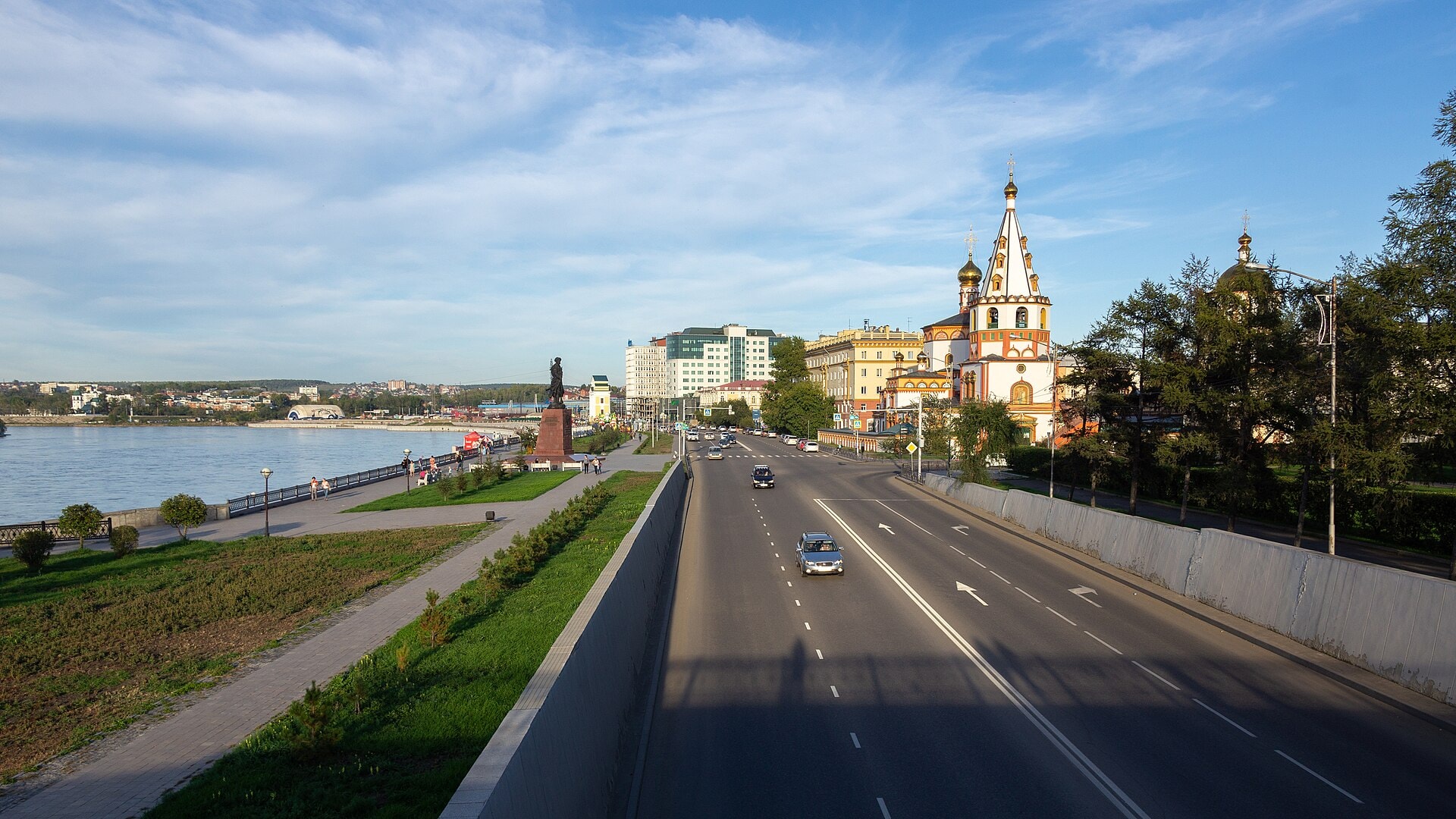
Russia’s public health watchdog said on 7 October that a laboratory worker’s death posed no epidemic risk to residents of Irkutsk and the surrounding region, while the World Health Organization continued to seek an explanation for her illness.
The worker died on 2 October after being hospitalised with severe pneumonia, WHO Director-General Tedros Adhanom Ghebreyesus said. Reports suggesting pneumonic plague have not been confirmed.
Rospotrebnadzor said it was winding down precautionary measures and had shared its latest information with the WHO, Reuters reported. It said no plague cases had been detected among the woman’s contacts.
According to Reuters, the watchdog said 90% of those placed in quarantine had been released after nearly 5,000 laboratory tests found no dangerous pathogens. Around 200 people had initially been quarantined.
Tedros said Russian authorities had separately informed the WHO that medical observation of all identified contacts had been completed and that no high-threat pathogens had been detected among them.
Those accounts refer to release from quarantine and completion of medical observation respectively; the published statements do not explain the difference.
The woman worked at the Irkutsk Anti-Plague Research Institute of Siberia and the Far East. Russian authorities have attributed her death to pneumonia but have not publicly established what caused it or how she became ill, Reuters reported.
The WHO is seeking clarification of the cause of the severe pneumonia, the pathogen that prompted public health measures and media reports about a second employee with pneumonia of an undetermined cause, Tedros said.
The request does not confirm that a second employee has the same illness or that either case involves plague.
Kremlin spokesman Dmitry Peskov said Russia had notified the WHO in accordance with established procedures. He described most media coverage of the incident as false and urged reliance on the health watchdog’s information, Reuters reported.
The WHO’s preliminary assessment on 6 October put the risk at moderate to low in Irkutsk, low across Russia and very low in its European region, according to the Associated Press.
Tedros said timely, complete and transparent information was essential to resolve conflicting accounts and accurately assess potential public health risks.


