Gazatte
Independent journalism
  • Gold$3,524.850.00%
  • Bitcoin$58,527.46▼ down 0.41%
  • EUR/USD1.09730.00%
  • USD/ILS3.34120.00%
  • Ethereum$1,617.57▼ down 0.05%
  • GBP/USD1.30800.00%
  • USD/EGP53.750.00%
  • Silver$40.990.00%
  • USD/JPY158.550.00%
  • USD/TRY50.520.00%
  • USD/JOD0.70900.00%
  • USD/SAR3.73600.00%
  • Gold$3,524.850.00%
  • Bitcoin$58,527.46▼ down 0.41%
  • EUR/USD1.09730.00%
  • USD/ILS3.34120.00%
  • Ethereum$1,617.57▼ down 0.05%
  • GBP/USD1.30800.00%
  • USD/EGP53.750.00%
  • Silver$40.990.00%
  • USD/JPY158.550.00%
  • USD/TRY50.520.00%
  • USD/JOD0.70900.00%
  • USD/SAR3.73600.00%
Skip to content
Gazatte
Middle EastPalestineWorldPoliticsBusinessCultureOpinionMarkets
Gazatte
Menu
Log in

Sections

Middle EastLebanonSyriaYemenGulfIran-Israel War
PalestineGazaWest BankJerusalemPalestinians of '48
WorldCurrentAmericasRussia-Ukraine WarEuropeAsia-PacificAfricaMore world news
PoliticsU.S. PoliticsEuropean PoliticsElectionsDiplomacy & Foreign PolicyInternational Law & Human Rights
Business
Culture
Opinion
Sports
Travel
Language
GazatteMiddle East & World News
Log in
/
Gazatte
BusinessCultureOpinionMarkets
  1. World
  2. ·
  3. Europe

Germany’s water deficit deepens as heat drives higher evaporation

Satellite data show Germany’s water storage remains well below average as higher temperatures increase evaporation.

By Gazatte Staff

5 September 2026, 14:03 GMT · Updated 6 October 2026, 10:43 GMT · 2 min read ·

Germany’s water deficit deepens as heat drives higher evaporation

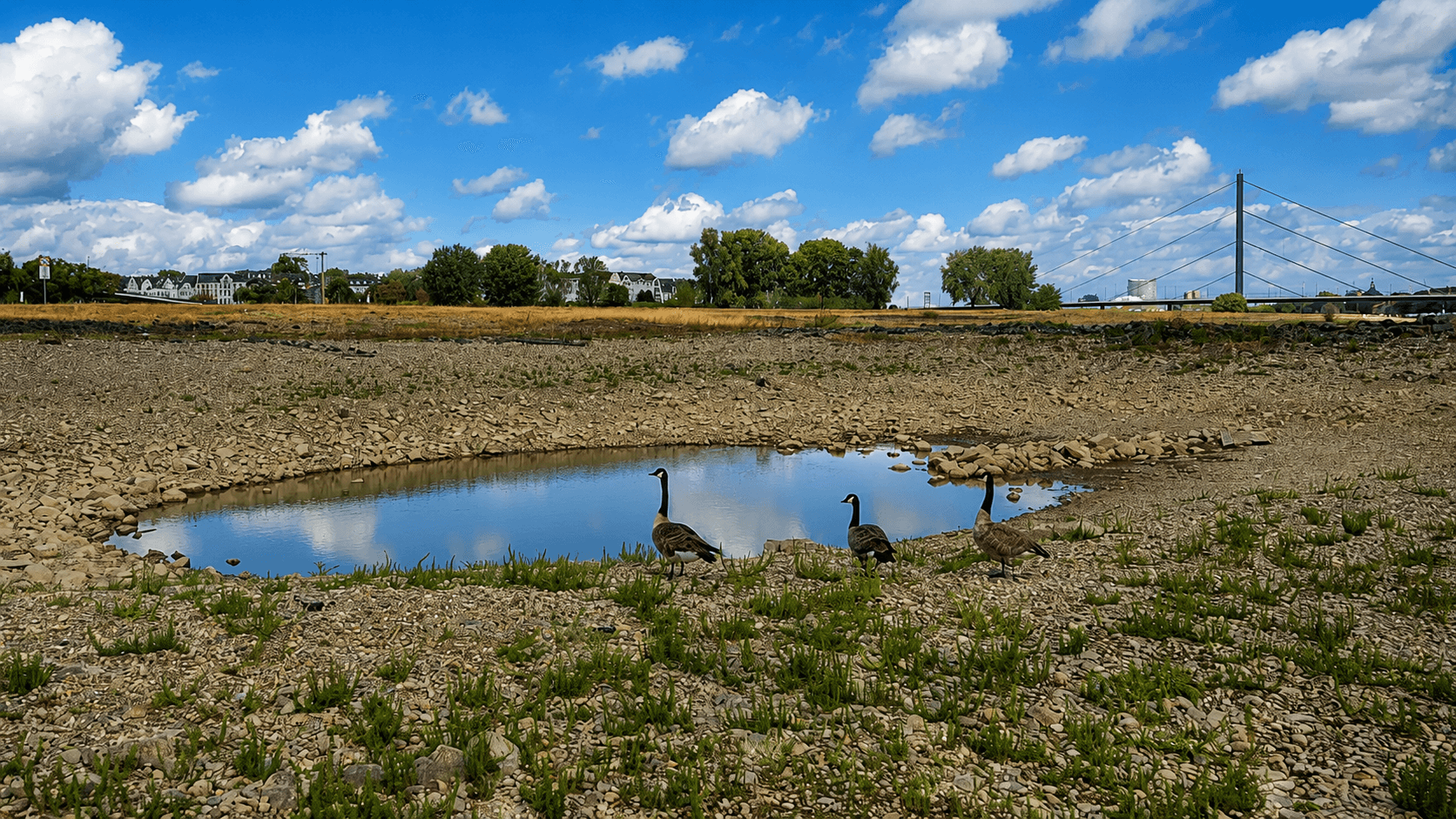
Germany’s water deficit has worsened in recent years, with higher temperatures increasing evaporation and reducing water storage, according to new satellite analysis by the GFZ Helmholtz Centre for Geosciences, NASA and the German Aerospace Centre (DLR).

“Since 2015, we have been seeing increasingly drier conditions in Germany than in the 15 years prior to that,” said Prof Annette Eicker, head of GFZ’s Global Geomonitoring and Gravity Field section.

The analysis of data from the GRACE Follow-On satellite mission shows that Germany’s total water storage in June 2026 was about 25 billion tonnes below the long-term average. The deficit includes water stored both near the surface and underground, including groundwater.

The researchers said water storage recovered temporarily in 2024 after an unusually wet year, but then fell sharply again. GFZ hydrologist Andreas Güntner said the decline in groundwater storage accounts for the majority of Germany’s long-term reduction in water storage.

The latest figures also show that the problem is not simply a result of declining rainfall. Researchers compared the satellite measurements with precipitation data and found no long-term downward trend in rainfall levels.

Instead, they identified a rise in potential evaporation as temperatures have increased. This refers to the amount of water that could move from the land surface into the atmosphere under prevailing atmospheric conditions. Higher temperatures increase direct evaporation from surface water and also increase water loss from plants.

The impact is particularly visible in southern, south-western and eastern Germany. The north-west, including areas near the North Sea, has recorded smaller deficits. GFZ said the number of Junes with below-average water storage has increased markedly since 2015.

The researchers are concerned that Germany’s water reserves may not recover by the end of 2026, even if autumn rainfall is above average. The available satellite data currently extend only through June, meaning they do not yet capture the effects of the hot summer that followed.

More in Europe
  • PROTESTS AND SECURITYFrance arrests 135 as protests return under heavy security
  • MILAN SECURITY CRACKDOWNItaly imposes tougher riot penalties after Milan violence
  • FRANCE COURT PROCEEDINGSFrench prosecutors seek two-year election ban for Rima Hassan
  • FRANCE PROTEST CRISISFrance prepares major security operation for new protests

Those effects are expected to become visible in later measurements, which GFZ said will only become available in the autumn because of the complex processing required to analyse the satellite observations.

The GRACE and GRACE Follow-On missions measure small changes in Earth’s gravitational field. Researchers use those measurements to estimate changes in the distribution of water across and beneath the land surface. The data have been available since 2002, although their spatial resolution is about 250km by 250km and cannot be used to assess individual small areas.

Independent monitoring also shows persistent dryness in parts of Germany. The Helmholtz Centre for Environmental Research’s German Drought Monitor tracks soil moisture using hydrological modelling and data from about 2,500 weather stations. Its system distinguishes between conditions in the upper soil and deeper layers, where short periods of rain have a more limited effect.

The latest GFZ assessment therefore points to a continuing water-storage deficit, with the effects of the summer heat still to be reflected in the next round of satellite data.

Gazatte follows its Editorial Policy. Spotted an error? Tell us.

Add Gazatte as a preferred source on Google

More in Europe

  • PROTESTS AND SECURITYFrance arrests 135 as protests return under heavy security
  • MILAN SECURITY CRACKDOWNItaly imposes tougher riot penalties after Milan violence
  • FRANCE COURT PROCEEDINGSFrench prosecutors seek two-year election ban for Rima Hassan
  • FRANCE PROTEST CRISISFrance prepares major security operation for new protests

More from Europe

  • Portugal police clear housing protest camps and arrest 55
    PORTUGAL HOUSING CRISIS

    Portugal police clear housing protest camps and arrest 55

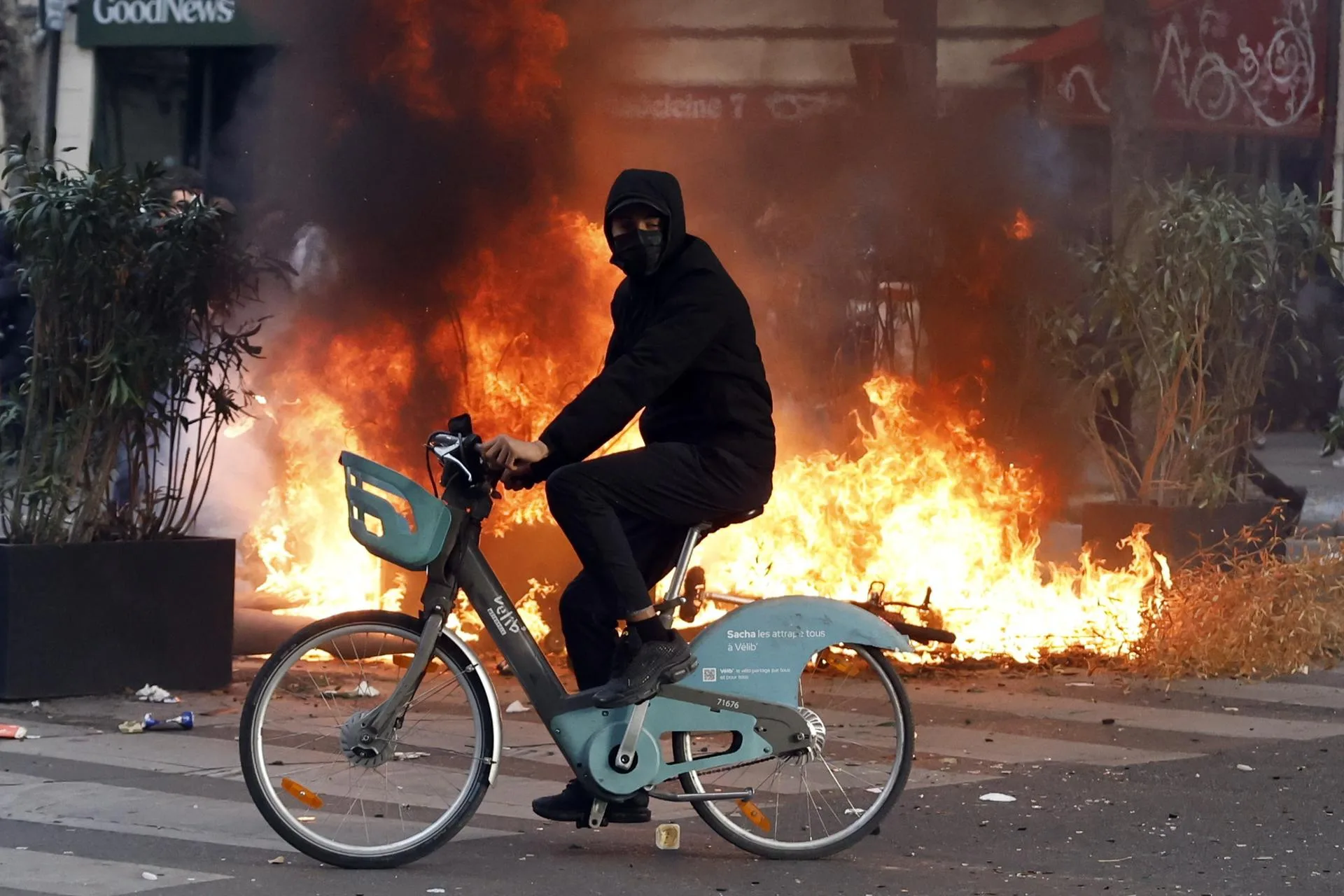
  • France riots leave over 3,000 shops damaged or looted
    FRANCE RETAIL LOSSES

    France riots leave over 3,000 shops damaged or looted

  • France arrests about 400 as protests turn violent
    LIVING COST PROTESTS

    France arrests about 400 as protests turn violent

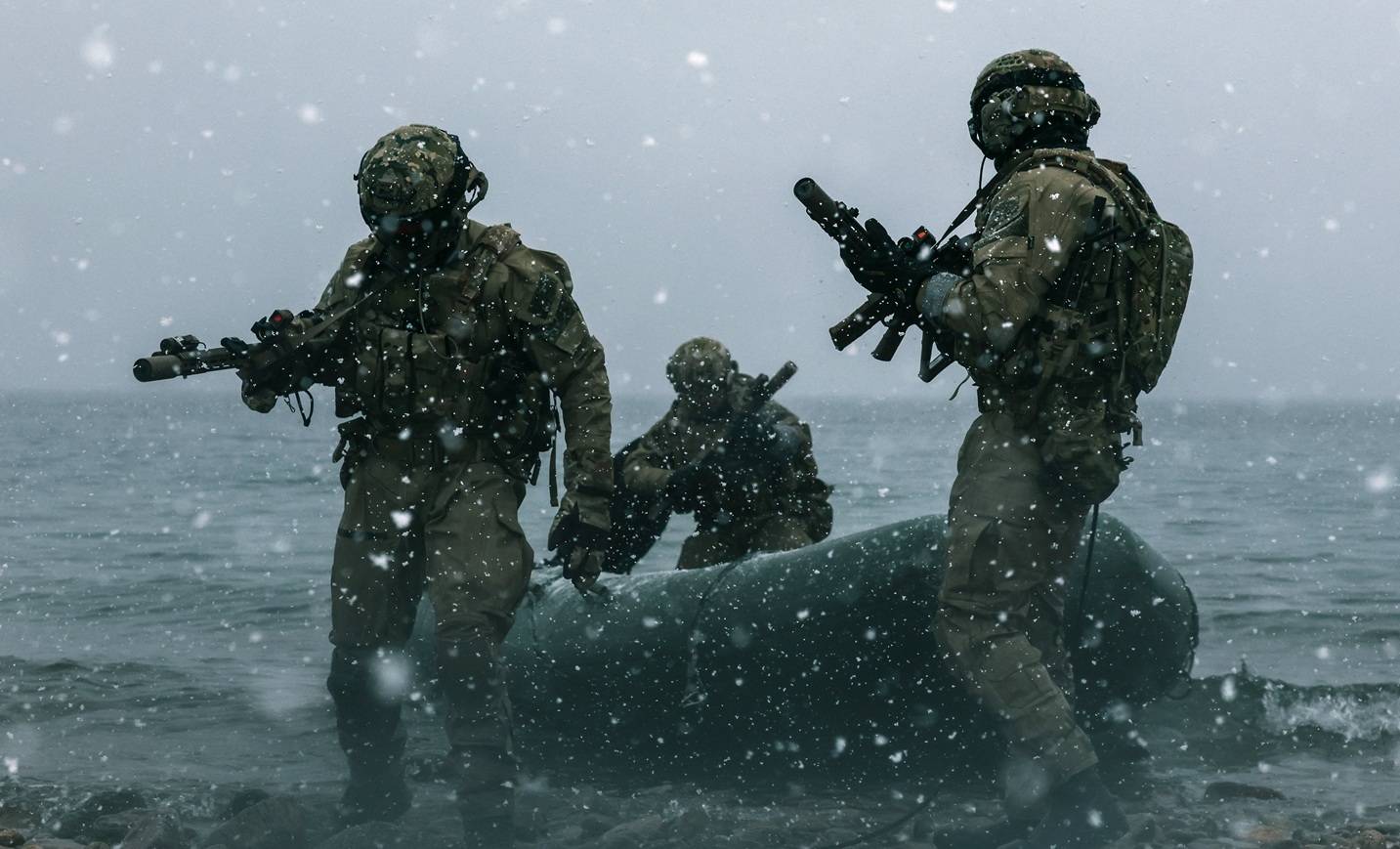
  • NATO does not seek war but is ready to fight, commander says
    ALLIANCE MILITARY READINESS

    NATO does not seek war but is ready to fight, commander says

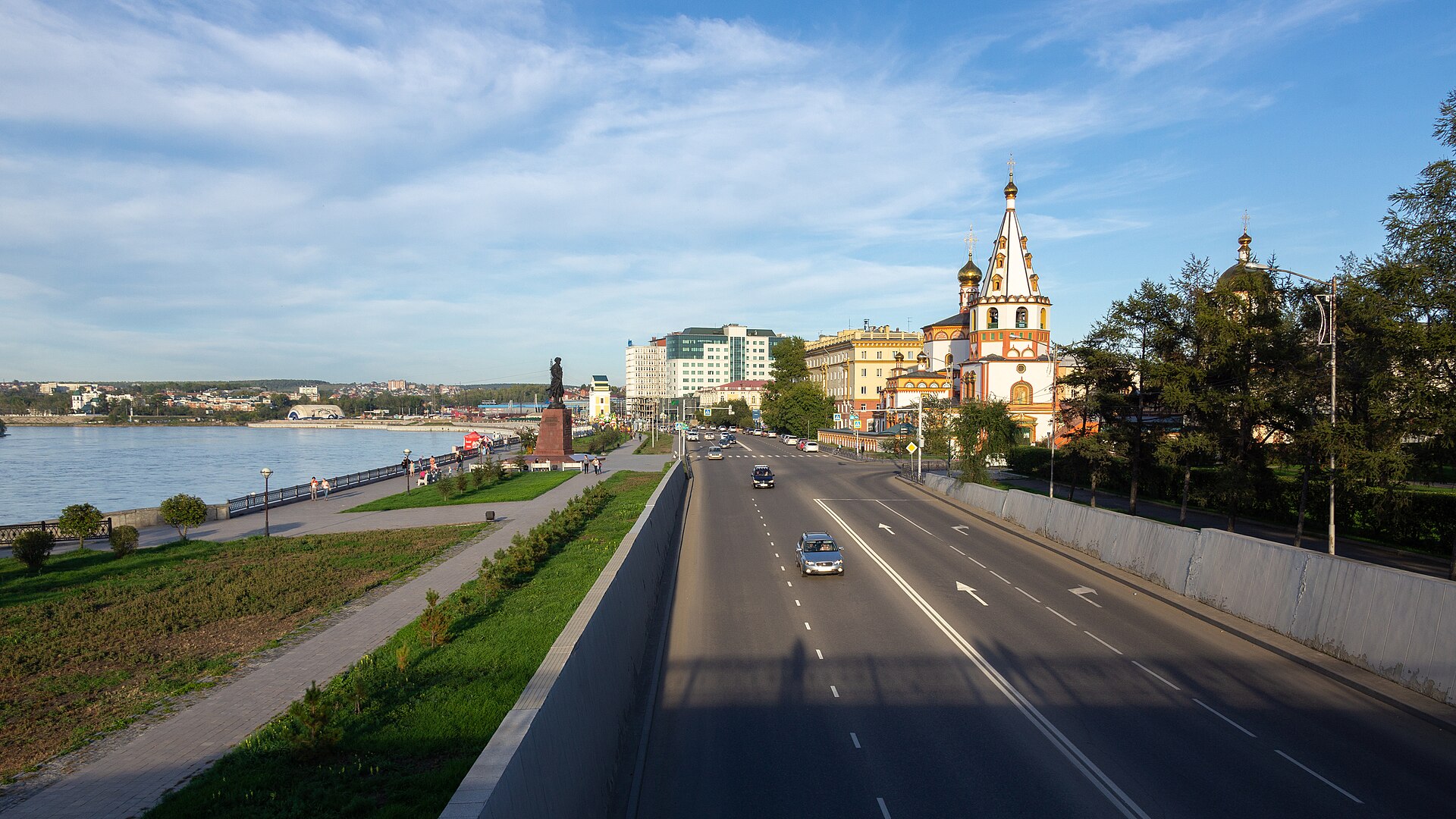
  • Russia says no epidemic risk in Irkutsk after lab death
    SIBERIAN HEALTH INVESTIGATION

    Russia says no epidemic risk in Irkutsk after lab death

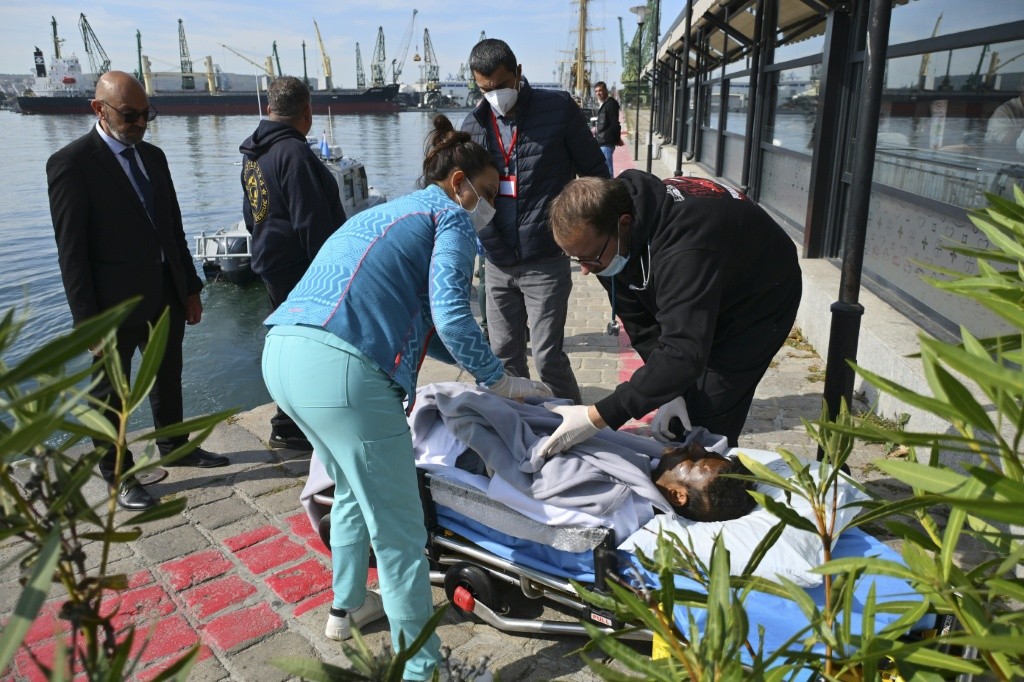
  • EU chief condemns Black Sea attacks as ship crew remain missing
    BLACK SEA SHIPPING

    EU chief condemns Black Sea attacks as ship crew remain missing

Gazatte

Independent news and analysis on the Middle East and the world.

Follow us
Add Gazatte as a preferred source on Google

Sections

  • Latest news
  • Markets
  • Palestine
  • Middle East
  • Politics & Diplomacy
  • Opinion
  • Business & Economy

About Gazatte

  • About Us
  • Our Newsroom
  • Editorial Policy
  • Corrections
  • Ownership & Funding

Contact

  • WhatsApp +44 7488 813779
  • support@gazatte.co
  • Contact Us

© Gazatte. All rights reserved.

  • Privacy Policy
  • Terms of Use
  • Cookie Policy