Real Madrid issued an official apology to the Chinese public on Wednesday, 28 October, following criticism of comments by French forward Kylian Mbappé about an internet meme apparently depicting former Chinese leader Mao Zedong.
The controversy has prompted Chinese companies to end commercial partnerships with Mbappé and led a major streaming platform to remove an upcoming Real Madrid match from its broadcast schedule.
The Spanish club said it regretted any offence caused by its player's recent remarks and emphasised its respect for China and its supporters there.
"Real Madrid wishes to apologise to the Chinese people for any offence caused by the recent statements of our player Kylian Mbappé," the club said in a statement quoted by Reuters.
The club added that it held deep respect for China's history, culture and people, as well as the millions of Chinese fans who support Real Madrid.
The apology followed an earlier statement from Mbappé, published on Tuesday in French, Mandarin Chinese and English.
The France captain acknowledged that his remarks had caused offence and apologised to those affected.
The controversy began with a subsequently deleted clip from a French-language podcast in which Mbappé discussed a humorous image of himself.
He described a digitally altered picture that placed his face on the body of someone he believed was a Chinese dictator.
Although he did not identify the person by name in the quoted remarks, the reference was widely interpreted as referring to Mao Zedong, who led the People's Republic of China from its establishment in 1949 until his death in 1976.
The comments drew criticism on Chinese social media, where public jokes about Mao remain highly sensitive.
China's Foreign Ministry acknowledged Mbappé's apology on Wednesday.
Spokesperson Guo Jiakun told a regular news briefing that Beijing took the apology seriously, according to AFP.
The response came as the controversy spread beyond social media to football broadcasting and commercial sponsorships.
Chinese streaming platform Migu reportedly decided not to show Real Madrid's upcoming league match against Racing Santander on Sunday.
The platform was expected to broadcast nine of the weekend's ten Spanish league fixtures, with Real Madrid's match the only one excluded.
Migu did not immediately provide a public explanation for the scheduling decision, according to the report.
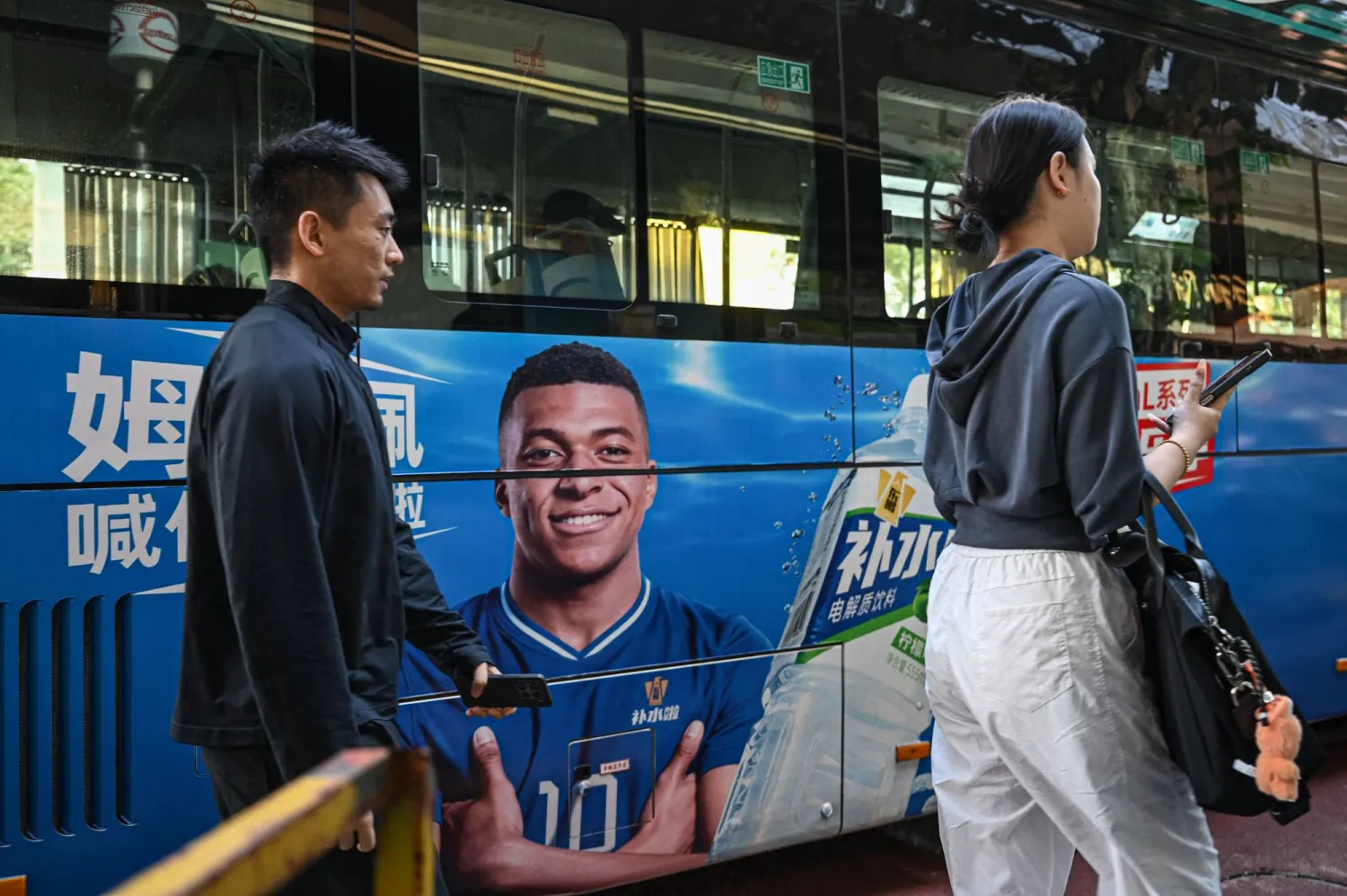
Several Chinese companies also moved to distance themselves from Mbappé.
Dairy companies Mengniu and Shanghai Milkground Food Tech, along with energy drinks producer Eastroc, were reported to have ended their cooperation with the player.
AFP also reported that some international brands, including Dior and Hublot, had removed Mbappé-related content from their Chinese social media accounts.
However, the removal of promotional content does not necessarily establish that commercial agreements with those brands have been terminated.
Restrictions were also reported on Mbappé's accounts on Chinese social media platforms.
His account on Xiaohongshu, which had more than one million followers, was reportedly prevented from gaining new followers, while Weibo displayed a notice restricting users from following him.
La Liga, which has invested in developing its commercial presence in China, also apologised for the offence caused by the remarks.
League president Javier Tebas established a special committee to manage the controversy and met Chinese ambassador Yao Jing, according to Reuters.
The league has also reportedly opened discussions with Real Madrid despite longstanding disagreements between the club and Tebas over the administration of Spanish football.
The episode highlights the commercial and diplomatic complications that can arise when comments by internationally recognised athletes provoke controversy in major overseas markets.
Mbappé has a substantial following in China, where his image has featured in advertising campaigns and promotional material.
For Real Madrid and La Liga, the immediate concern is whether the apologies and subsequent discussions will be sufficient to restore normal broadcasting and commercial relationships.