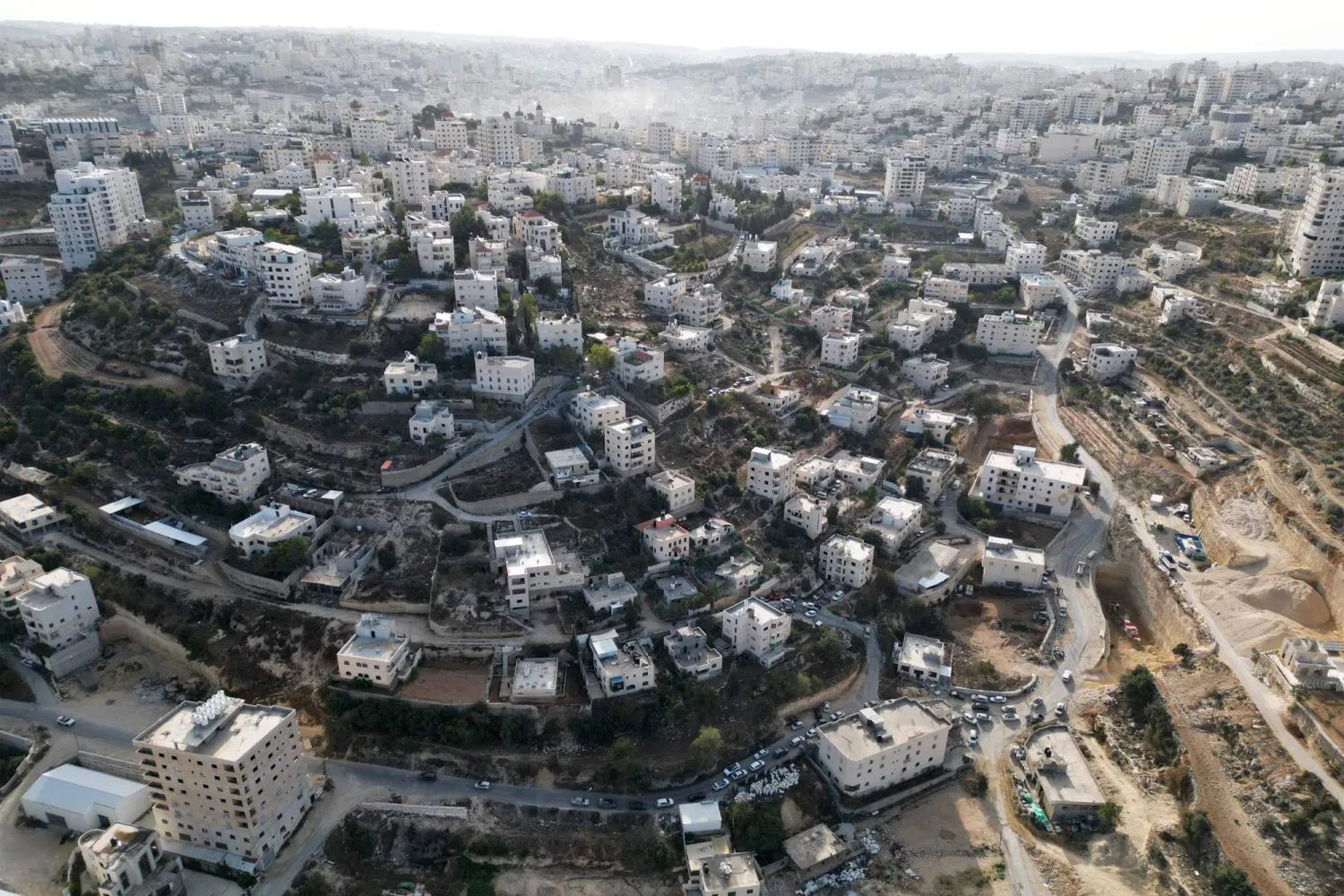
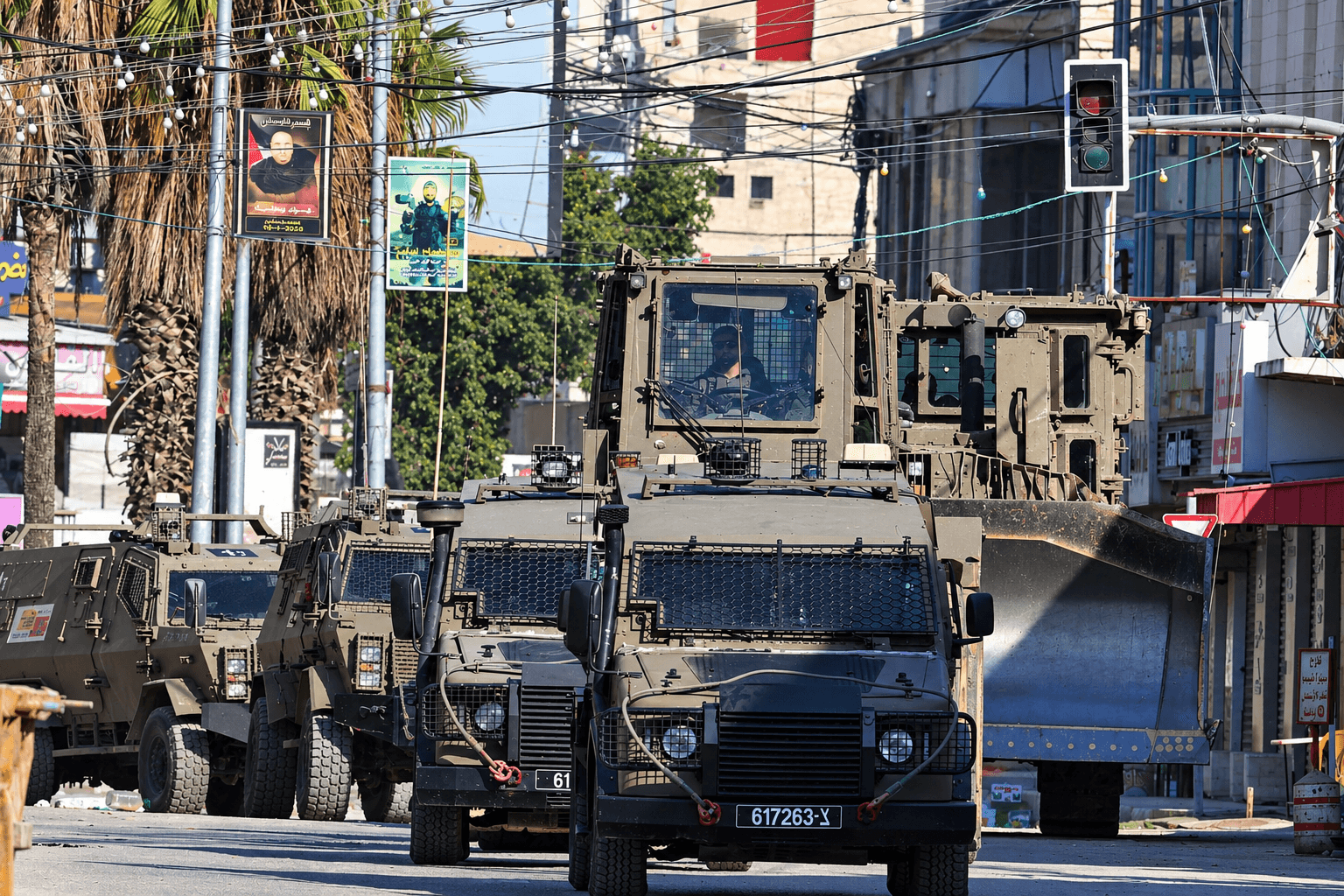
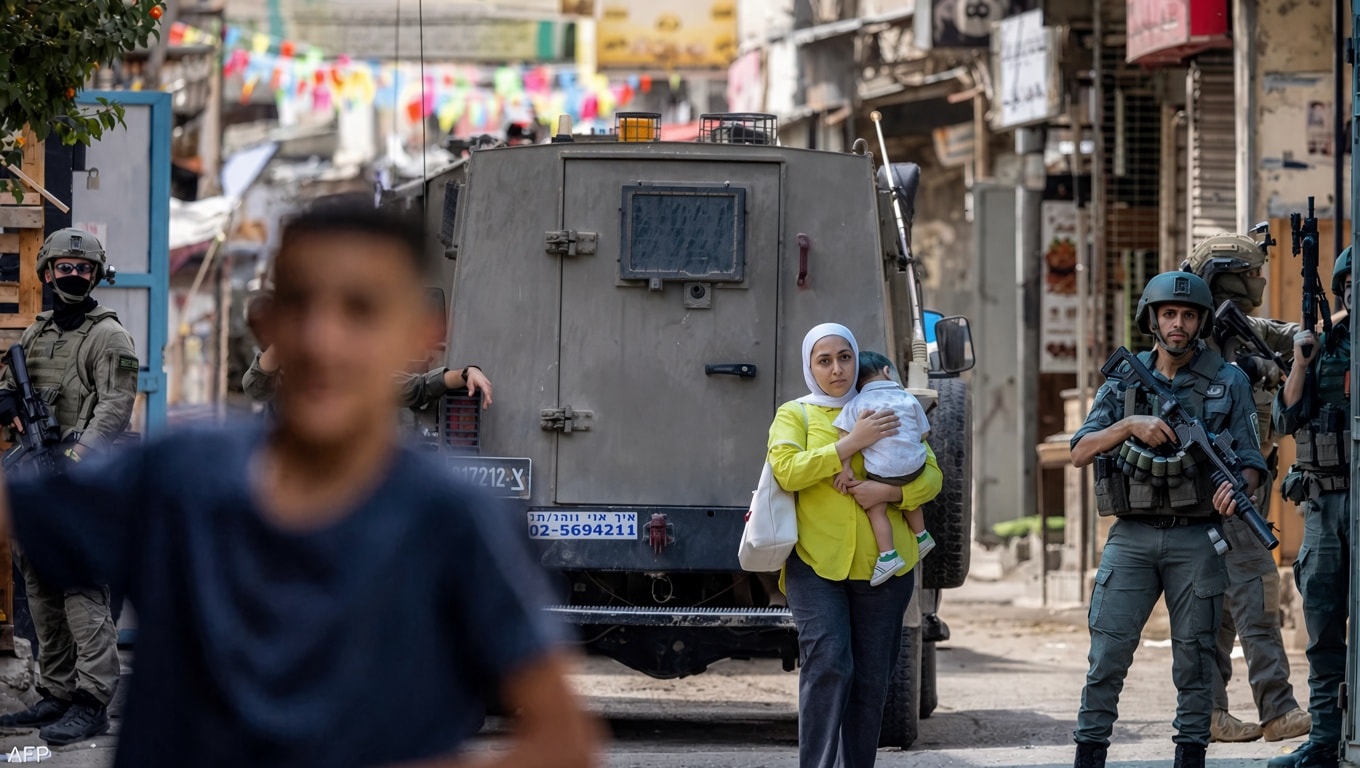
Israeli forces withdrew from neighbourhoods of Hebron in the occupied West Bank on 2 November 2026, allowing displaced Palestinians to return, a military official told AFP.
AFP journalists saw residents entering homes left in disorder after searches. The operation had displaced at least 3,189 people, including 200 infants, according to an earlier count by Hebron municipality.
“This is our home. The house is wrecked,” resident Muhannad al-Tamimi, 33, told AFP in Arabic. He accused soldiers of beating him, holding a gun to his wife’s head and stealing gold and money.
The Israeli military told AFP it was checking the allegations. Tamimi said soldiers had occupied his home during the operation; he returned to scattered possessions, overturned mattresses and a broken child’s bicycle.
The operation followed a 23 October attack by two Palestinian gunmen at an Israeli checkpoint near Hebron that killed two soldiers. Israeli forces killed both attackers in an exchange of fire.
The military official told AFP that troops had completed their activities in the area but would continue operations elsewhere in the West Bank.
Soldiers searched properties, detained suspects for questioning and seized four weapons, protective vests and other military equipment, the official said. Troops also demolished the attackers’ homes and sealed an underground space beside one of them.
The official Palestinian news agency WAFA reported withdrawals from Al-Jalda and Ein Deir Bahha, citing local sources. Municipal councillor Reem al-Sharif separately told AFP that the operation had covered two neighbourhoods and municipal workers were helping clean them.
WAFA reported on 2 November that more than 3,300 residents had been displaced or otherwise affected. That broader description differs from the municipality’s earlier count of people forced from their homes.
A municipal statement issued on 1 November said Israeli forces had completely demolished 15 homes and facilities and forced 327 shops to close, according to WAFA.
The Israeli military has said buildings demolished near the checkpoint were constructed without permits in Area C, the part of the West Bank under Israeli control, The Times of Israel reported.
In Deir Bahha, AFP journalists saw black crosses painted on buildings to indicate they had been emptied and searched. Relatives of one attacker were clearing rubble and preparing to use lower floors beneath a destroyed upper storey.
The operation’s duration also prompted disagreement within Israel’s leadership. The Times of Israel reported that army chief Lieutenant General Eyal Zamir had recommended ending it, but Prime Minister Benjamin Netanyahu rejected that recommendation.
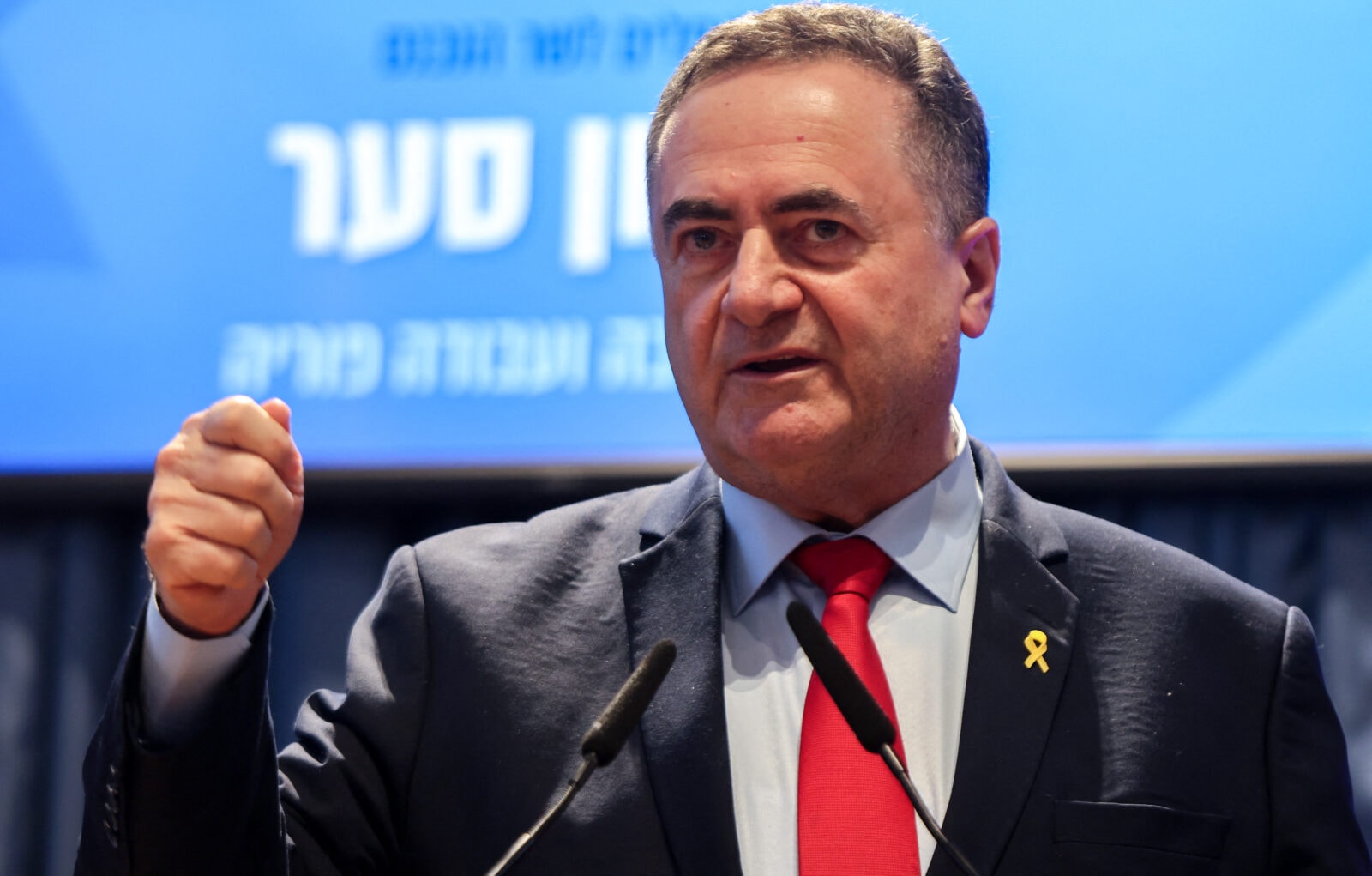
Defence Minister Israel Katz approved the withdrawal on 1 November, the newspaper reported.
Palestinian Civil Defence warned returning residents against touching suspicious objects or entering damaged buildings before inspection, according to WAFA. It asked people to keep access clear for emergency crews and police explosive ordnance teams.