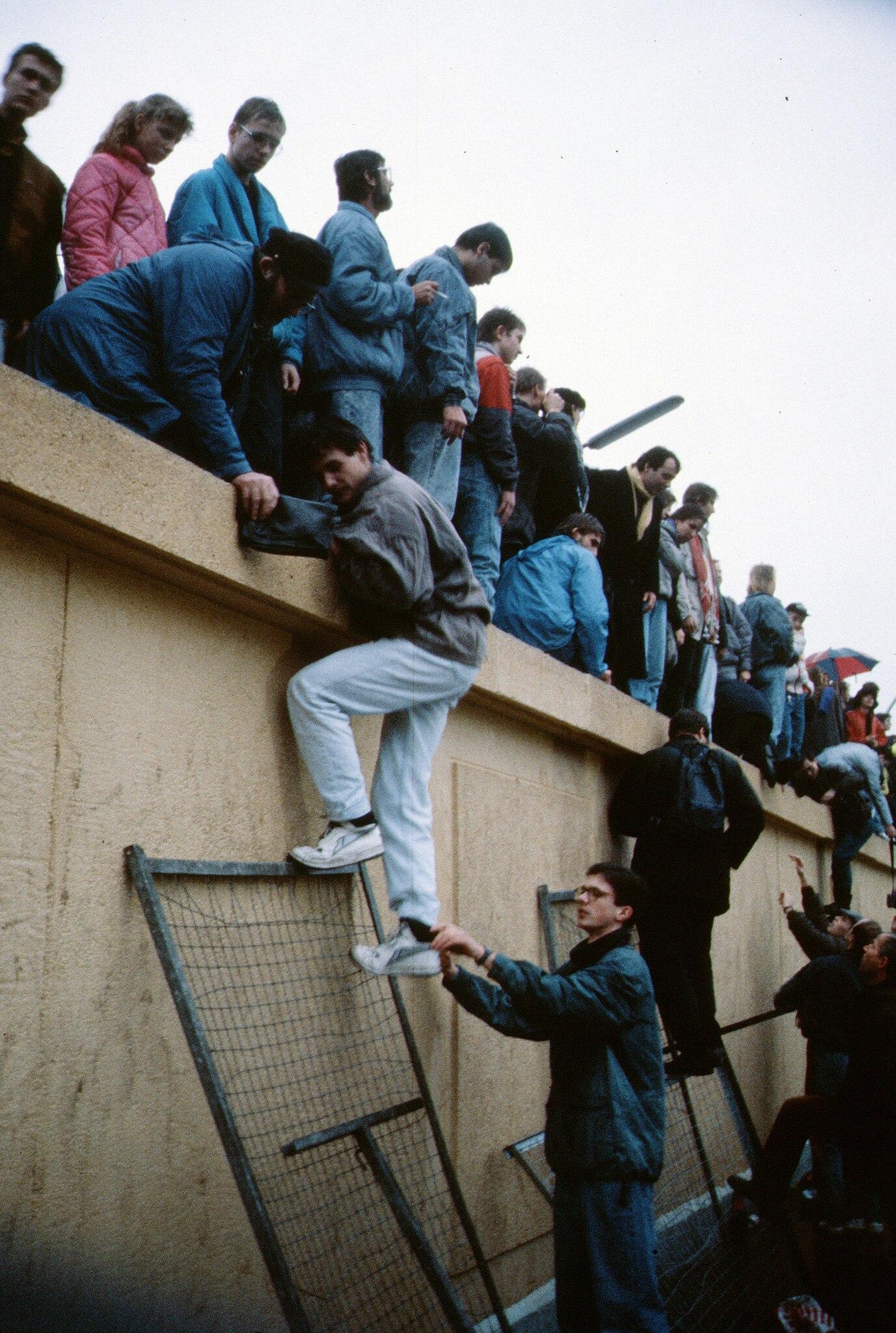
BRUSSELS — More than three decades after the fall of the Berlin Wall symbolized the end of Europe's Cold War division, the continent is witnessing the emergence of what analysts describe as a new "Iron Curtain"—one defined not by concrete walls and barbed wire, but by military deterrence, economic sanctions, technological competition, and deepening strategic mistrust.
The new divide has accelerated since Russia's invasion of Ukraine, reshaping Europe's security architecture. NATO has expanded to 32 members while European governments have dramatically increased defense spending, strengthened military deployments along the alliance's eastern flank, and invested heavily in new border fortifications stretching from Finland to Romania.
Economic ties between Europe and Russia have also deteriorated sharply. Western sanctions, the collapse of energy cooperation, and the suspension of projects such as Nord Stream 2 have fundamentally altered relations, with both sides increasingly pursuing separate economic and strategic paths.


