
PANAMA CITY — Prices paid at auction for transit slots through the Panama Canal have reached record levels as disruptions around the Strait of Hormuz redirect shipping demand towards the waterway while falling water levels constrain operations.
Daily auctions for slots through the canal's commonly used locks averaged about $1.1 million in August, more than 16 times the average for the same period last year, according to data cited by the Financial Times. Average bids for the larger locks have recently reached about $2.5 million, with individual bids as high as $3.78 million.
The Panama Canal Authority said payments above $1 million reflected temporary market conditions rather than tariffs set by the authority. It also said the latest draft restrictions would not reduce the number of daily vessel transits, while warning that further measures could be introduced if conditions change.
The surge in demand is partly linked to the disruption of shipping through the Strait of Hormuz. Asian buyers have increased purchases of crude oil and petroleum products from the US Gulf Coast, creating additional demand for the Panama Canal as an alternative route between the Atlantic and Pacific oceans.
At the same time, water availability is becoming a constraint. The canal relies heavily on Gatun Lake, and the authority has introduced draft restrictions as it monitors hydrological conditions and the potential development of El Niño.
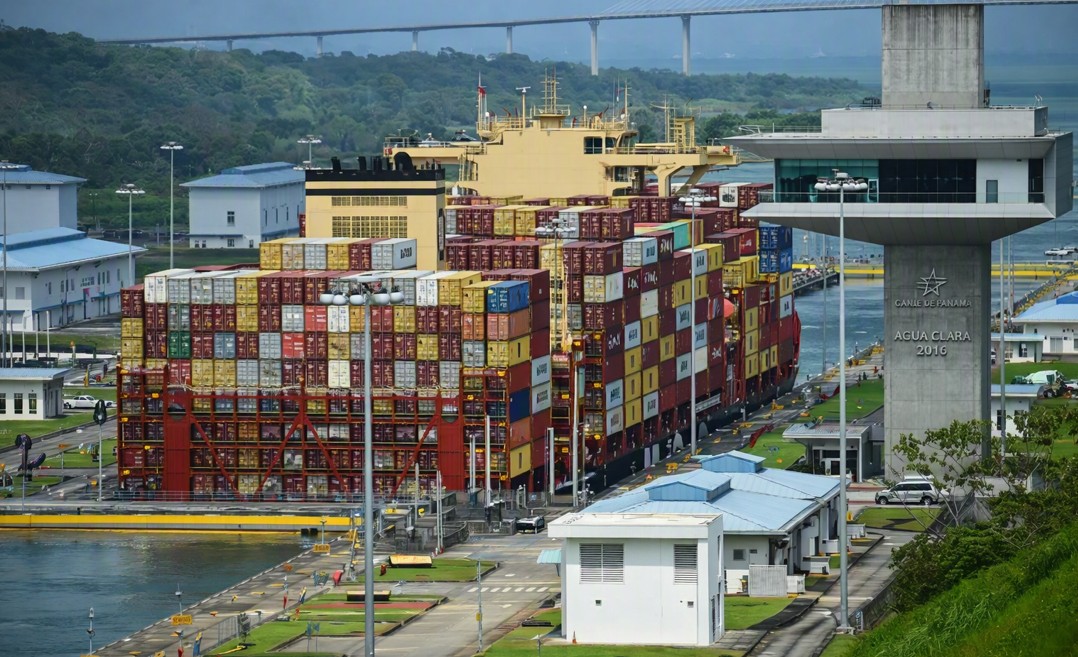
The authority's own June assessment said El Niño was a potential risk for the second half of 2026 and that water-saving measures had been activated months earlier. It said the 2026 dry season had been among the wettest recorded since 1950 and that water reserves had been strengthened, while continuing to monitor lake levels.
The authority has nevertheless reduced the maximum permitted draft for vessels using the Neopanamax locks. Advisory A-18-2026 set the limit at 49.5 feet from 3 July, citing current and projected Gatun Lake levels and the potential development of El Niño. A subsequent July advisory introduced further reductions.
Lower draft limits can force vessels to carry less cargo, increasing the cost of each shipment even when the number of available daily transit slots is maintained.
Congestion has also increased. On 3 August, 113 vessels were waiting to transit the canal, compared with 40 on 2 January, according to data cited by the Financial Times. The Guardian reported that some vessels were waiting about 10 days, while a container ship reportedly paid about $4 million to move ahead of the queue.
The pressure comes despite stronger overall canal activity. The Panama Canal Authority reported 10,726 transits between October 2025 and June 2026, an increase of 5.2% from the same period a year earlier, with an average of 35 daily transits.
For now, the authority says it is maintaining operations while monitoring water levels, demand and weather conditions. The auction prices, however, show how quickly competition for limited transit capacity can increase when major global shipping routes are disrupted.
No comments yet. Be the first to share your thoughts.