
International financial institutions expect oil prices to remain high as Washington and Tehran seek an agreement that could restore normal oil flows through the Strait of Hormuz, a major global energy route.
Citigroup raised its forecast for Brent crude to $80 per barrel in the third quarter of this year, up from its previous estimate of $75. It kept its fourth-quarter forecast at $70 per barrel and expects Brent to average $65 per barrel in 2027.
Citigroup had previously forecast an average Brent price of $62 per barrel for 2026, before developments affecting oil shipments through the Strait of Hormuz prompted it to raise its third-quarter estimate.
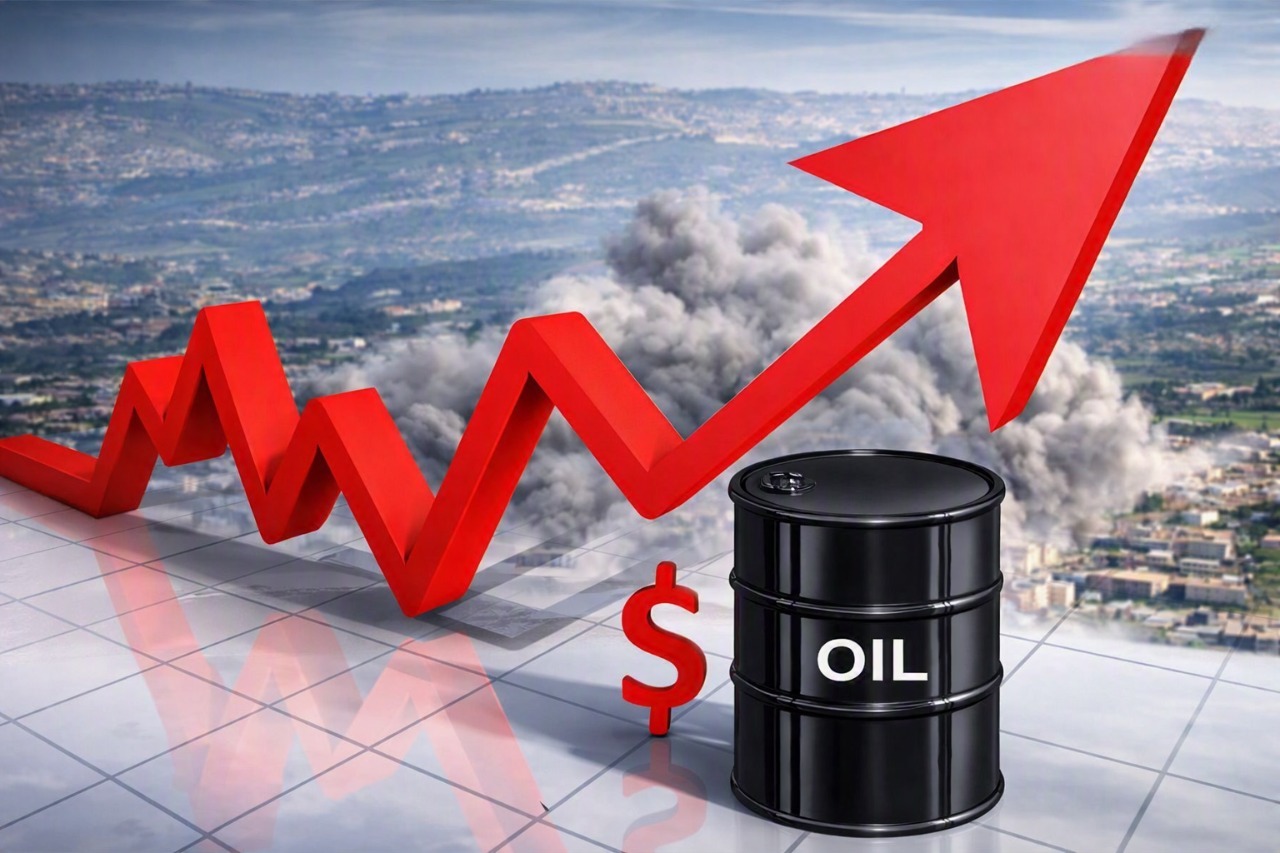
Could prices rise further?
Goldman Sachs is less optimistic about a decline in oil prices, expecting them to remain between $80 and $90 per barrel this year.
The bank warned that prices could climb to $120 per barrel if the Strait of Hormuz remains closed for an extended period, potentially restricting global oil flows and putting further pressure on markets.
The outlook highlights the strong link between oil prices and shipping through the strait. A deal between Washington and Tehran that restores normal flows could ease pressure on prices, while a prolonged closure could push them higher.
The United States and Israel launched attacks on Iran on February 28, disrupting oil flows through the Strait of Hormuz and cutting around 20 million barrels per day of crude and petroleum product supplies from global markets.
No comments yet. Be the first to share your thoughts.