
Pechino continua a difendere il suo approccio economico mentre crescono le preoccupazioni nelle economie occidentali riguardo al grande surplus commerciale della Cina e alla sua crescita trainata dalle esportazioni. La questione dovrebbe essere al centro dei prossimi colloqui tra il presidente cinese Xi Jinping e il presidente statunitense Donald Trump, così come nelle discussioni con l’Unione Europea.
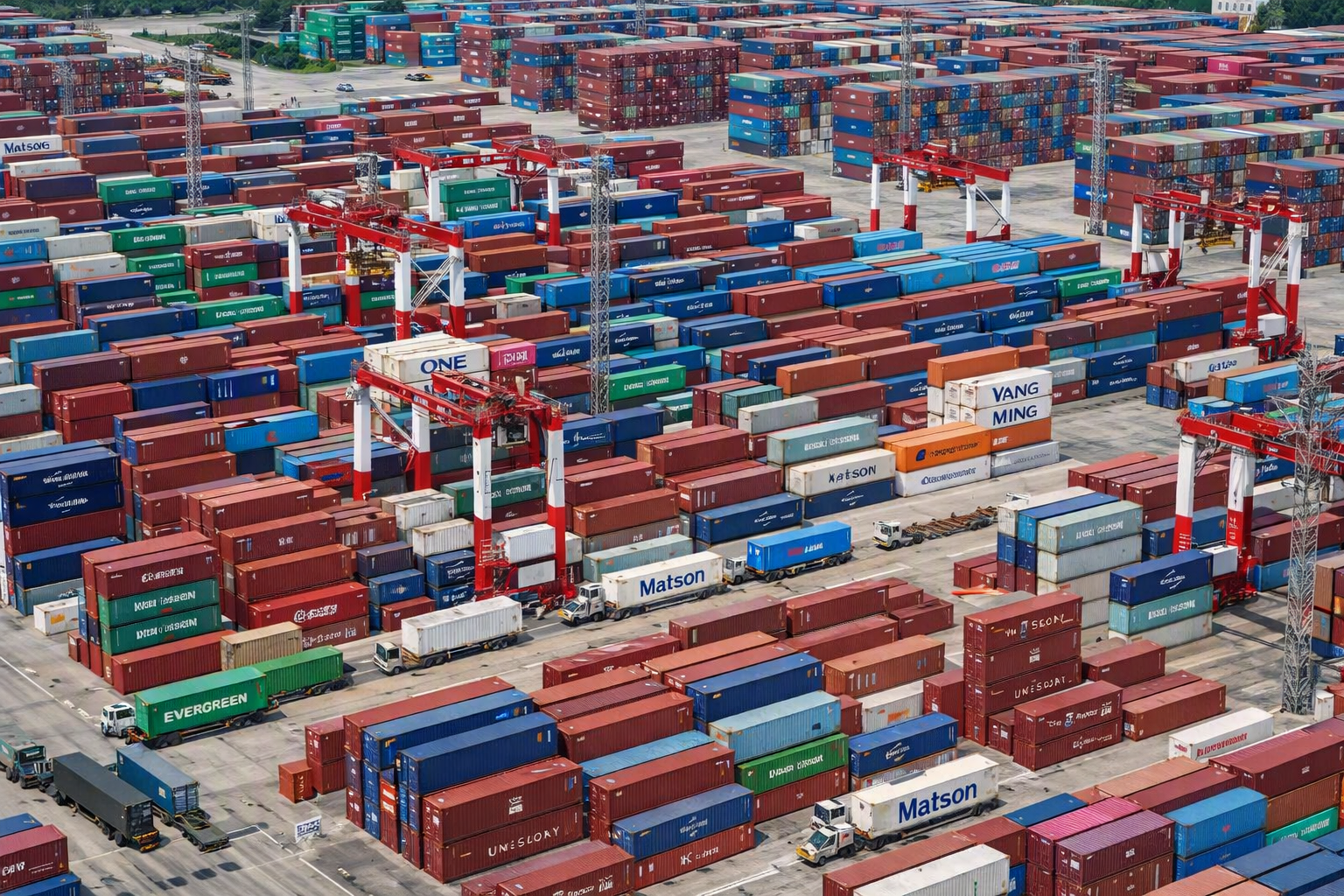
I governi occidentali sostengono che le politiche cinesi favoriscano i produttori rispetto alle famiglie, causando un aumento delle esportazioni a basso costo che mettono sotto pressione le industrie delle economie concorrenti.
Tuttavia, il Politburo del Partito Comunista cinese ha riaffermato la sua attuale strategia economica, chiedendo misure di sostegno mirate piuttosto che pacchetti di stimolo ampi volti ad aumentare la spesa dei consumatori, come più volte auspicato dai governi occidentali e dagli economisti.
Il Ministero del Commercio cinese ha inoltre respinto le accuse di sovracapacità industriale, affermando che tali affermazioni si basano su presupposti errati e motivazioni nascoste. Nel frattempo, la rivista ufficiale del partito, Qiushi, ha difeso il tasso relativamente basso di consumo interno del paese, descrivendolo come un risultato naturale di un percorso di sviluppo incentrato su investimenti e manifattura.
In vista delle prossime negoziazioni, gli analisti affermano che Pechino sta inviando messaggi chiari ai suoi partner commerciali. Un messaggio è che i governi stranieri dovrebbero comprendere meglio le basi del modello economico cinese per facilitare le trattative, mentre l’altro è che la Cina ha fissato limiti alle misure che considera discriminatorie nei confronti delle sue aziende e dei suoi prodotti.
La Cina sostiene che la sua struttura economica riflette le esigenze di un’economia in via di sviluppo che cerca ancora di raggiungere i paesi avanzati, e che gli investimenti in tecnologia e ricerca creano benefici oltre i suoi confini.
Nonostante la difesa delle sue politiche da parte di Pechino, alcuni economisti sostengono che la debole domanda interna abbia spinto la Cina a fare sempre più affidamento sulle esportazioni per mantenere la crescita economica.
Eswar Prasad, professore di politica commerciale alla Cornell University e ex funzionario del Fondo Monetario Internazionale, ha dichiarato che è difficile convincere il mondo che le esportazioni cinesi siano semplicemente un beneficio per i consumatori, dato il forte affidamento del paese sui mercati esterni per compensare il debole consumo interno.
I paesi europei hanno iniziato a prendere misure per proteggere le industrie locali, soprattutto poiché il loro deficit commerciale con la Cina ha raggiunto livelli significativi. Anche il cancelliere tedesco Friedrich Merz ha criticato la continua debolezza dello yuan cinese, affermando che conferisce ai esportatori cinesi un vantaggio competitivo.
Alicia García-Herrero, economista capo per Asia-Pacifico presso Natixis, ha affermato che la Cina è diventata più sicura nella gestione delle controversie commerciali con i paesi occidentali senza fare grandi concessioni, osservando che le precedenti dispute tariffarie con gli Stati Uniti hanno fornito a Pechino esperienza nella gestione dei conflitti economici.
Nonostante mantenga il suo modello attuale, la Cina ha iniziato a compiere passi limitati per affrontare gli squilibri economici, inclusa una supervisione più rigorosa della spesa dei governi locali e sforzi per ridurre la concorrenza eccessiva sui prezzi che ha influenzato i profitti aziendali.
I funzionari cinesi riconoscono lo squilibrio tra domanda e offerta e sottolineano l’importanza di rafforzare il consumo interno, ma preferiscono riforme graduali per evitare grandi disagi economici.
Nel frattempo, i rapporti internazionali continuano a evidenziare le sfide strutturali che affronta l’economia cinese. Alcune valutazioni suggeriscono che il sostegno governativo giochi un ruolo importante nell’espansione della quota di mercato delle aziende cinesi, mentre altri studi indicano il consumo debole e la produzione eccessiva come fattori chiave alla base della crescita delle esportazioni.
Gli analisti affermano che il dibattito in corso riflette questioni più ampie sulla sostenibilità a lungo termine del modello economico cinese e sulla sua capacità di mantenere la crescita in mezzo a crescenti tensioni commerciali con le principali economie globali.
Ancora nessun commento. Scrivi tu il primo.