
Una larga parte delle esportazioni di petrolio del Golfo sta affrontando sfide senza precedenti a causa delle tensioni regionali che interrompono le principali rotte di trasporto energetico.
L'annuncio del movimento Houthi di un blocco marittimo rivolto alle navi legate all'Arabia Saudita, unito alla continua chiusura dello Stretto di Hormuz nel contesto del conflitto USA-Iran, ha posto ulteriore pressione sulle reti globali di trasporto del petrolio.
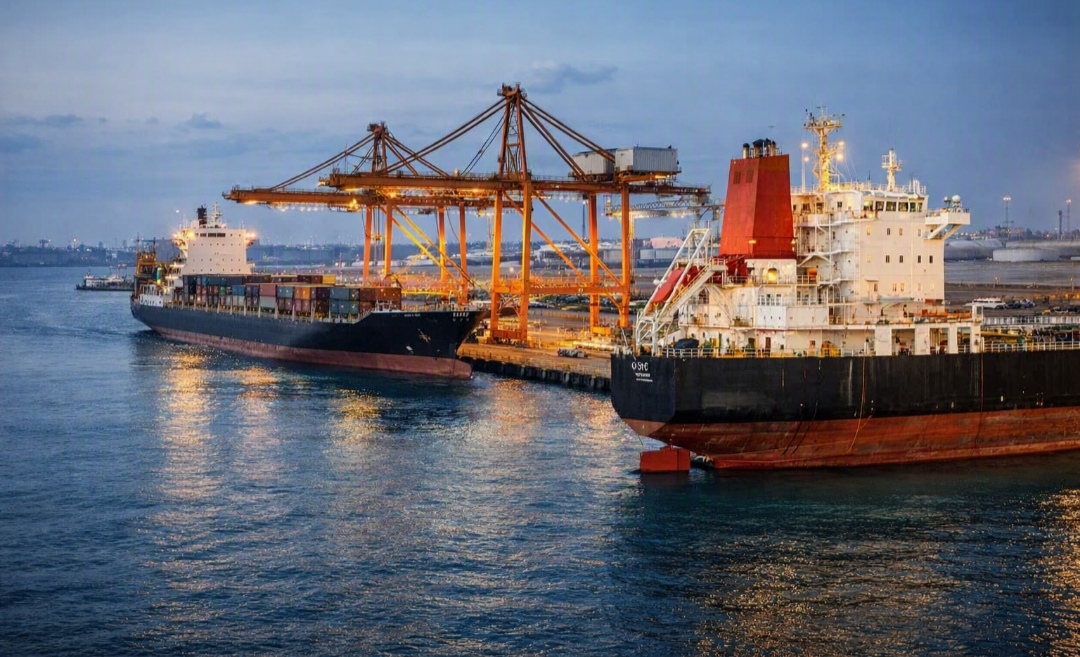
Secondo dati economici, spedire un barile di petrolio dal Golfo ai mercati asiatici costa ora circa 4,17 dollari, rispetto a circa 88 centesimi per barile per le spedizioni dirette ai mercati europei.
La differenza è dovuta principalmente alle rotte alternative più lunghe richieste per le spedizioni verso l'Asia, mentre le consegne europee beneficiano di un accesso più breve a porti alternativi.
Aumento dei rischi assicurativi e di spedizione
Le tensioni regionali hanno inoltre incrementato i premi di rischio marittimo, calcolati come percentuale del valore assicurato di una nave per ogni viaggio.
Prima del conflitto, il tasso era intorno allo 0,25%, il che significava che l'assicurazione per un singolo viaggio di una nave valutata 100 milioni di dollari costava circa 250.000 dollari.
Durante il picco delle tensioni e dei rischi legati alla guerra a luglio, il premio è salito tra il 7,5% e il 10%, portando il costo dell'assicurazione per lo stesso viaggio fino a 10 milioni di dollari.
Con segnali di allentamento delle tensioni a fine marzo, il premio di rischio è sceso intorno all'1%, equivalente a circa 1 milione di dollari per una nave valutata 100 milioni di dollari.
Costi aggiuntivi per le spedizioni di petrolio
Le stime economiche mostrano che le spedizioni di petrolio dirette all'Asia affrontano costi aggiuntivi superiori a 5 milioni di dollari, inclusi circa 1,6 milioni di dollari in spese extra di carburante e 1 milione di dollari in tasse di transito per il Canale di Suez.
In confronto, il costo stimato per le petroliere dirette verso l'Europa è di circa 1,7 milioni di dollari.
I premi assicurativi per navi e petroliere che operano nel Mar Rosso sono aumentati del 150% dopo l'ultima escalation regionale.
I paesi del Golfo cercano rotte alternative
Per ridurre la dipendenza da rotte marittime vulnerabili, l'Arabia Saudita si è affidata al gasdotto East-West (Petroline), che trasporta petrolio dai giacimenti orientali al porto di Yanbu sul Mar Rosso con una capacità fino a 7 milioni di barili al giorno.
Tuttavia, la rotta è diventata esposta a rischi maggiori dopo gli attacchi contro navi legate all'Arabia Saudita nel Mar Rosso.
L'Arabia Saudita utilizza anche una rotta alternativa per rifornire i mercati europei, trasportando spedizioni dal porto egiziano di Ain Sokhna attraverso il gasdotto SUMED verso il Mediterraneo.
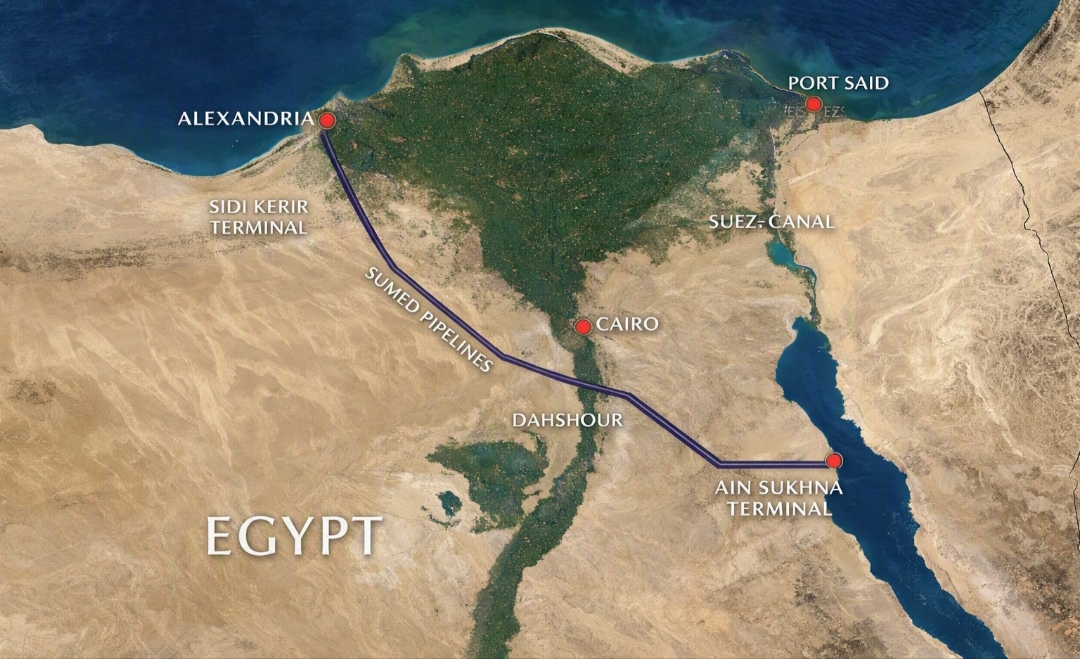
Tuttavia, la capacità del gasdotto è limitata a circa 2,5 milioni di barili al giorno.
Gli Emirati Arabi Uniti hanno beneficiato del gasdotto Habshan-Fujairah, che collega i giacimenti petroliferi di Abu Dhabi al porto di Fujairah sul Golfo di Oman.
Con una capacità di circa 1,8 milioni di barili al giorno, il gasdotto permette agli EAU di bypassare lo Stretto di Hormuz e accedere direttamente all'Oceano Indiano e ai mercati asiatici.
Attraverso questa rotta, le esportazioni degli EAU sono tornate a circa 4 milioni di barili al giorno, avvicinandosi ai livelli più alti dal 2017.
Nel frattempo, l'Iraq ha ripreso le operazioni sul gasdotto Kirkuk-Ceyhan con la Turchia nel 2025, ma la sua capacità rimane limitata a circa 250.000 barili al giorno.
Questa cifra è piccola rispetto alle esportazioni totali dell'Iraq di circa 3,4 milioni di barili al giorno, di cui circa il 95% tradizionalmente passa attraverso lo Stretto di Hormuz.
La chiusura dello Stretto di Hormuz sconvolge i mercati energetici
L'annuncio del presidente USA Donald Trump l'8 luglio di porre fine a un accordo temporaneo con l'Iran e di riprendere le operazioni militari ha portato alla rinnovata chiusura dello Stretto di Hormuz.
La mossa ha sconvolto i mercati energetici globali poiché il traffico marittimo di petroliere e navi del gas è stato interessato, sollevando preoccupazioni sulla sicurezza di uno dei corridoi energetici più importanti al mondo.
Ancora nessun commento. Scrivi tu il primo.