The United States called for a new security framework involving Ukraine, Russia and Europe on 10 November as Washington-mediated peace negotiations resumed in Abu Dhabi after a nine-month pause.
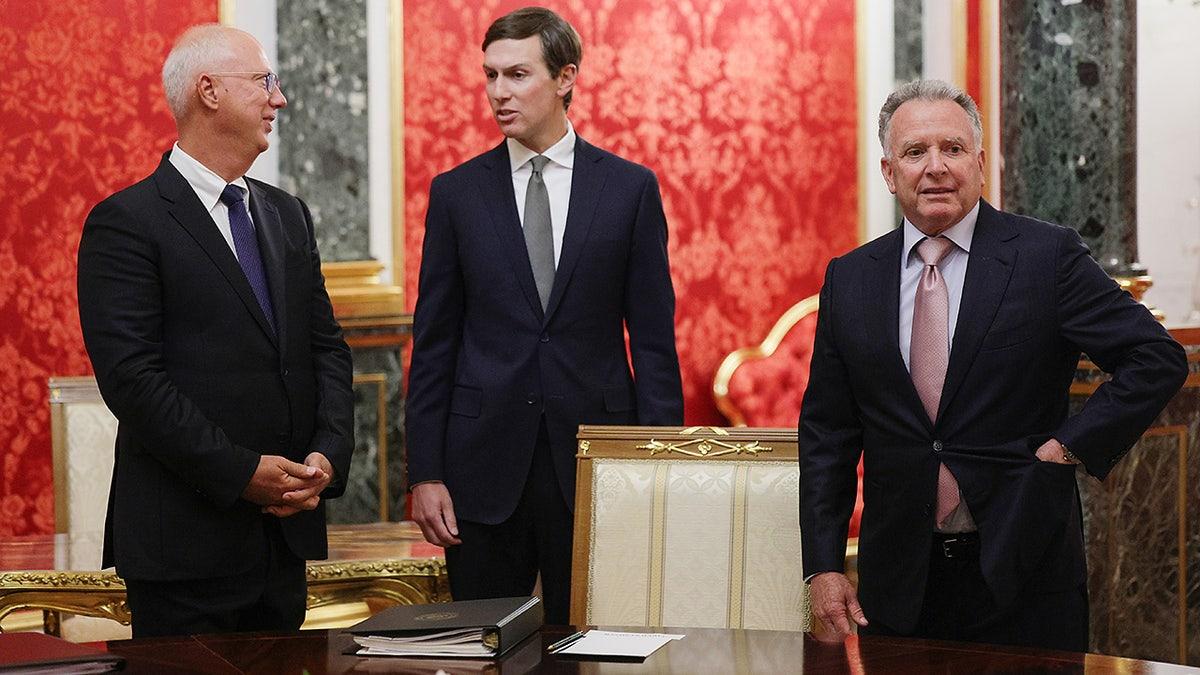
US envoy Jared Kushner said the talks should address not only ending Russia's war against Ukraine but also establishing security arrangements intended to prevent another conflict.
Kushner and fellow US envoy Steve Witkoff are leading Washington's delegation at the two-day negotiations, which bring Russian and Ukrainian representatives together for their first trilateral discussions since February.
Speaking at the opening of the talks, Kushner expressed hope that the negotiations would establish a framework capable of securing decades, potentially centuries, of peace, according to Agence France-Presse.
The proposal would extend the discussions beyond a settlement between Moscow and Kyiv to the future security relationship between Russia and European countries.
Russia has welcomed the broader approach. A source in the Russian delegation told Reuters that Moscow considers a comprehensive European security framework the central objective of the negotiations, with an agreement on Ukraine forming part of that wider arrangement.
European governments have expressed reservations about discussing the continent's security architecture before a ceasefire is established in Ukraine.
French Foreign Minister Jean-Noël Barrot said European representatives would participate in consultations in Abu Dhabi but insisted that any discussion with Russia about Europe's future security must follow an agreement to stop the fighting.
Representatives from Britain, France, Germany, Italy, NATO and the European Commission met Ukrainian officials and the American envoys before the trilateral negotiations.
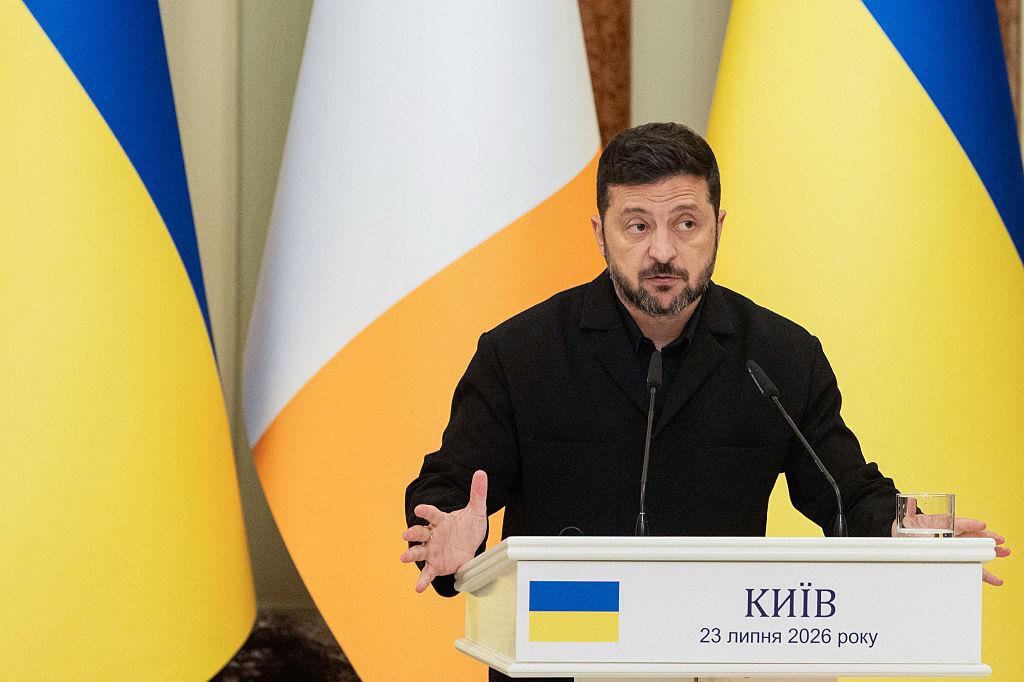
Rustem Umerov, Ukraine's foreign intelligence chief and lead negotiator, said the preliminary discussions were intended to coordinate positions and prepare for the next stage.
Ukraine's priorities include ending hostilities, obtaining reliable security guarantees, securing economic recovery arrangements and advancing humanitarian measures.
The agenda also covers possible restrictions on attacks against energy infrastructure, maritime security in the Black Sea and further prisoner exchanges.
The formal trilateral negotiations involve Ukraine, Russia and the United States. Moscow has opposed direct European participation at this stage, although Russian officials have indicated that broader discussions could take place later.
The disagreement over Europe's role reflects competing approaches to a settlement.
Washington wants negotiations to address the security arrangements that would follow the war, while European governments are concerned that a wider agreement could be negotiated without sufficient guarantees for Ukraine or consultation with its neighbours.
US President Donald Trump has suggested that a major agreement with Russia could extend beyond Ukraine to encompass Europe as a whole. He has not publicly outlined the terms of such an arrangement.
European Commission President Ursula von der Leyen has argued that discussions on a wider security framework should follow a ceasefire.
Moscow, however, has rejected a temporary ceasefire in favour of negotiating a comprehensive settlement.
The two countries also remain divided over territory.
Russia demands that Ukraine withdraw its forces from areas of eastern Ukraine that Moscow claims as its own, including territory it has not captured.
Kyiv rejects those demands and insists that any agreement must include credible guarantees against another Russian attack.
Russia also opposes the deployment of European peacekeeping forces in Ukraine, while Kyiv regards outside security commitments as essential to a durable settlement.
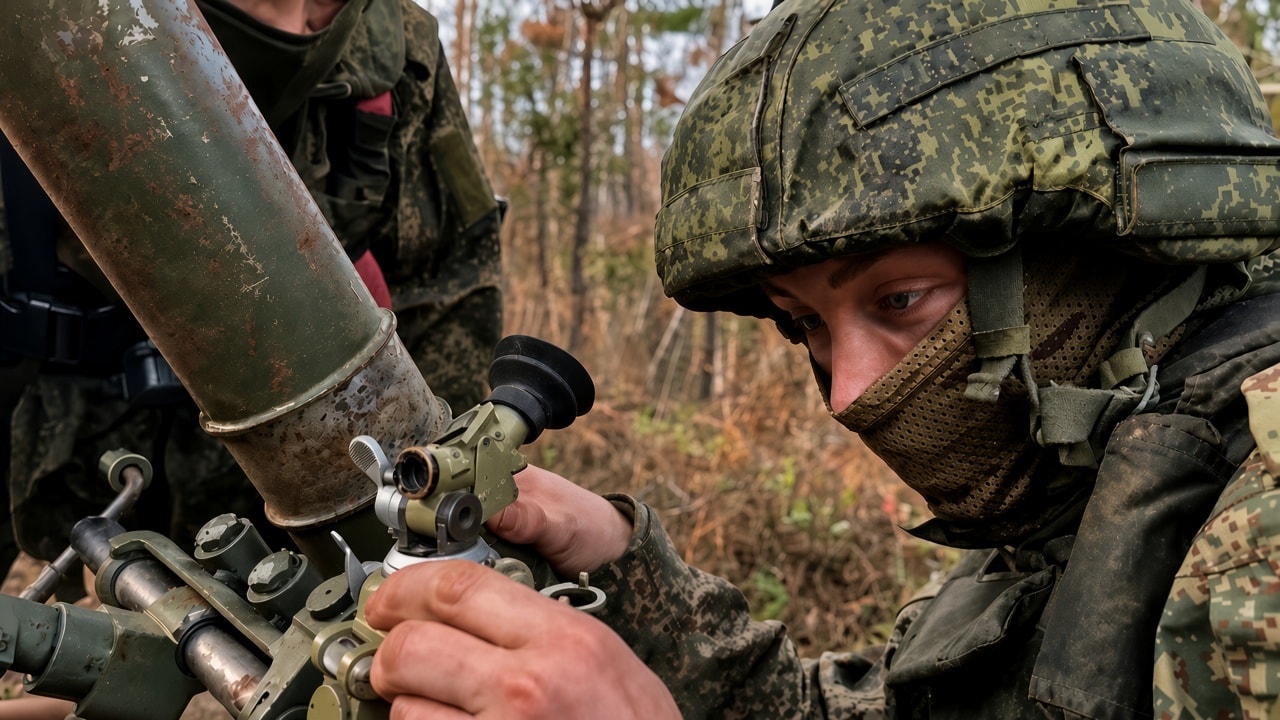
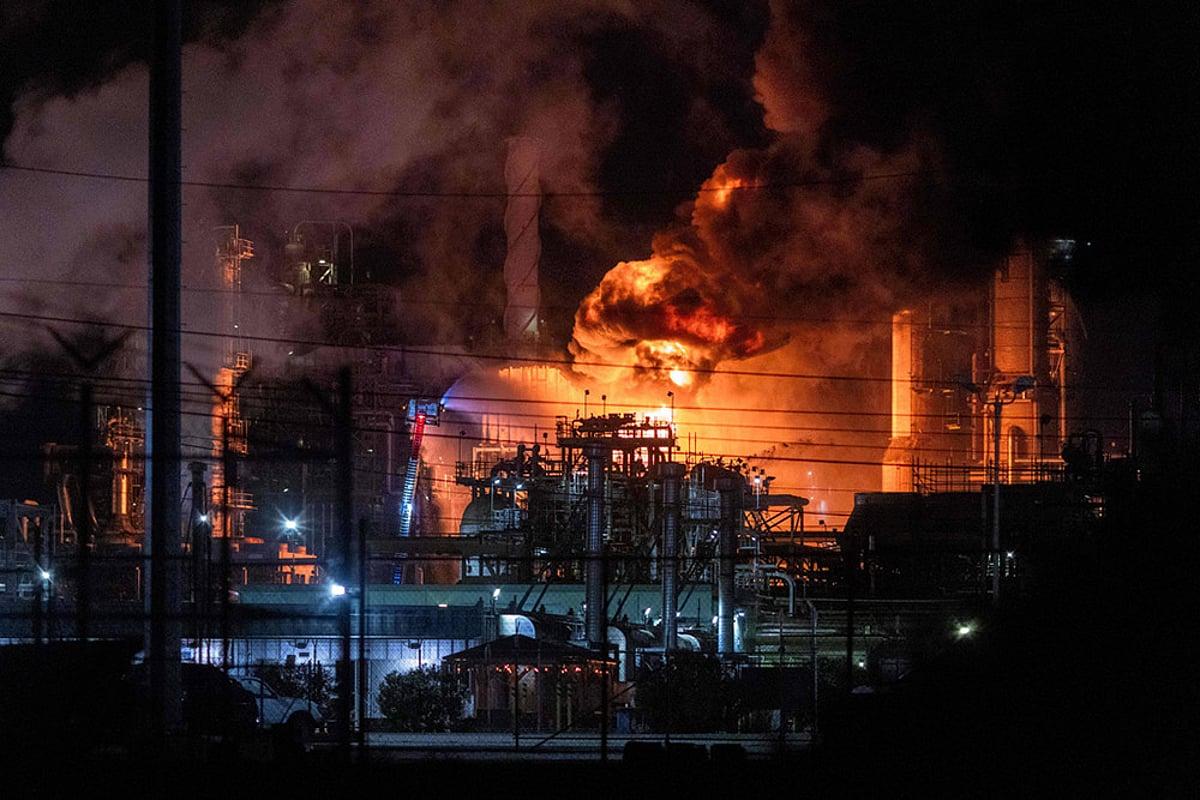
The negotiations are taking place against a background of continuing Russian and Ukrainian strikes, including attacks on energy infrastructure as winter approaches.
Earlier rounds of US-mediated negotiations in Geneva ended without a breakthrough, and diplomatic contacts subsequently stalled.
The Ukrainian delegation is headed by Umerov, while Russian presidential aide Vladimir Medinsky leads Moscow's team. Senior diplomatic, military and intelligence officials are also taking part.
The Abu Dhabi meetings are scheduled to continue on 11 November, with no agreement announced at the start of the new round.