
Since assuming his position, Israeli National Security Minister Itamar Ben Gvir has escalated punitive policies and restrictive measures against Palestinian prisoners held in Israeli prisons. These measures have included, according to rights reports, physical and verbal abuse, restrictions on basic rights, reduced food supplies, and limited access to healthcare.
The latest incident came after Ben Gvir appeared in a video on Friday while entering the cell of a Palestinian female prisoner at Ofer Prison near the Givat Ze'ev settlement northwest of Ramallah in the occupied West Bank.
During the encounter, the prisoner responded to Ben Gvir’s questions about prison conditions, saying detainees were being denied basic rights, including adequate food, clean water, and access to outdoor areas.
Ben Gvir responded by saying: "The food should not be good... this is not a hotel," adding that those who commit what he described as crimes must face consequences, despite the prisoner denying any wrongdoing.
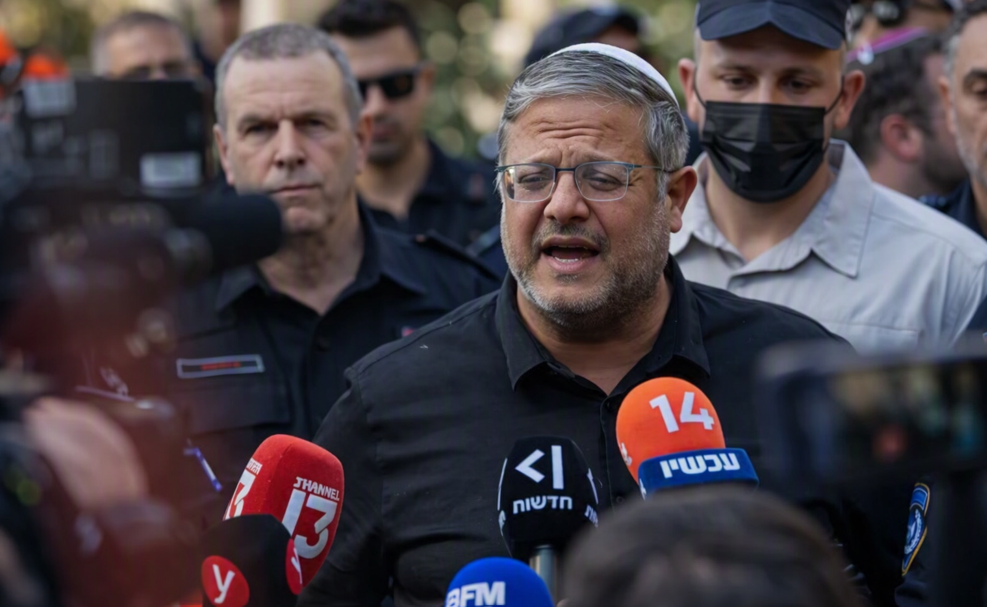
Prison Raids and Abuse
The incident was not the first of its kind, as Ben Gvir has previously carried out several controversial visits and raids inside Israeli prisons, drawing widespread criticism from rights and political groups.
Raid on Marwan Barghouti’s Cell
On August 15 last year, Ben Gvir entered the cell of Palestinian prisoner Marwan Barghouti, who was being held in solitary confinement at Ramon Prison in central Israel, and issued direct threats against him.
During the visit, Ben Gvir told Barghouti: "We will erase anyone who harms the people of Israel," adding that those who kill Israelis would be "erased," according to his remarks.
A video of the visit showed Barghouti, who has been imprisoned since 2002 and is serving five life sentences, appearing extremely thin and in poor health amid reports of harsh detention conditions.
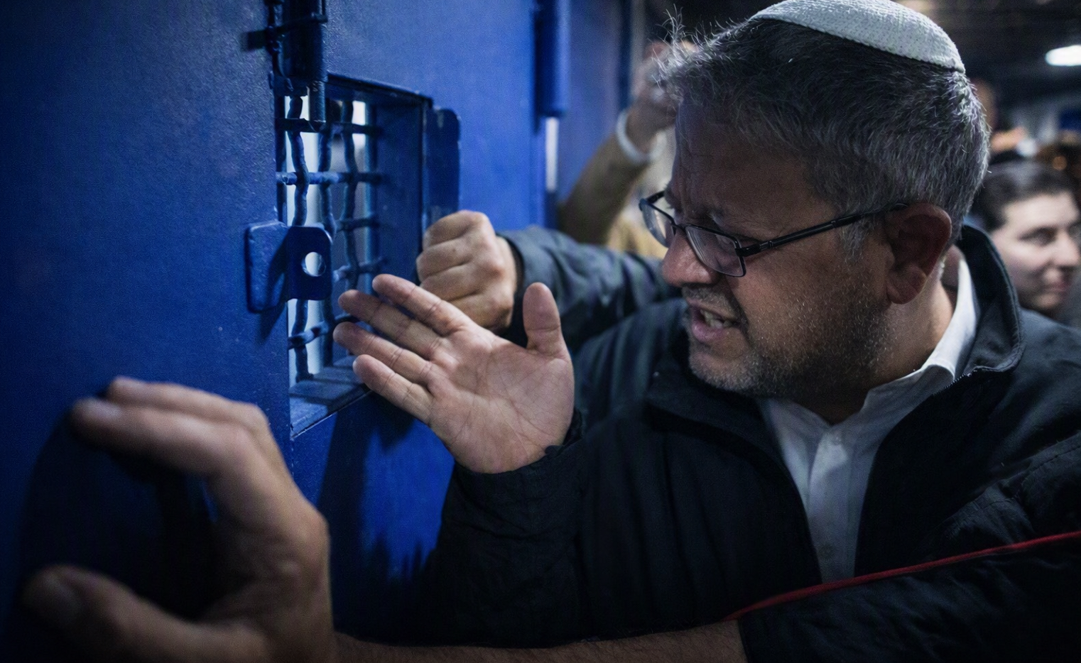
Violent Raid on Ofer Prison
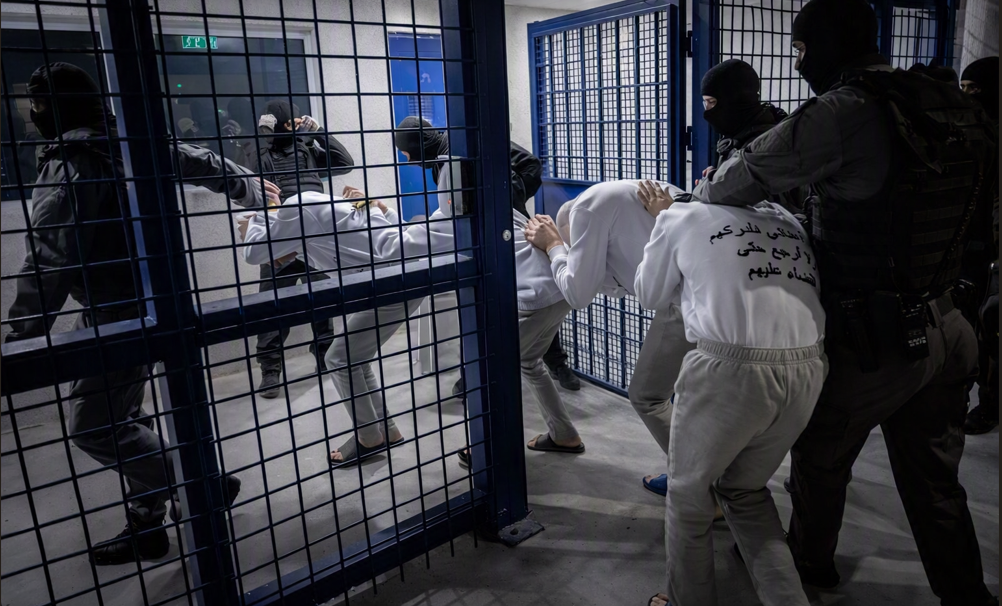
On February 13, Ben Gvir raided Palestinian prisoner sections at Ofer Prison accompanied by the director of the Israeli Prison Service, shortly before the start of Ramadan.
Reports said the raid involved the use of force against prisoners, including the firing of gas and sound grenades inside cells and the pointing of weapons at detainees.
Death Penalty Threats
Among Ben Gvir’s most controversial prison visits was his appearance on October 31 inside an Israeli prison, where he walked among Palestinian prisoners who were handcuffed and threatened them with execution.
The prison’s name was not disclosed, but Ben Gvir said in the video: "There is only one thing left to do, and that is to execute them."
Treatment of Freedom Flotilla Activists

Ben Gvir’s actions also extended to activists from the Global Sumud Flotilla, who attempted to reach Gaza in an effort to break the blockade. Videos documented Israeli authorities’ treatment of activists detained in international waters while heading toward Gaza.
In May, Ben Gvir published footage showing Israeli security forces dealing with handcuffed activists. The video also showed an activist being confronted after chanting "Free Palestine," while Ben Gvir directed insulting remarks at her and waved an Israeli flag.
Hunger Policies and Deprivation of Basic Rights
During Ben Gvir’s tenure, restrictions imposed on Palestinian prisoners have become publicly declared policies, with the minister openly discussing measures aimed at reducing living conditions inside prisons, including limiting food supplies.
During a hearing before the Israeli Supreme Court on July 17 regarding a petition over prisoners’ detention conditions, Ben Gvir defended the measures implemented in prisons.
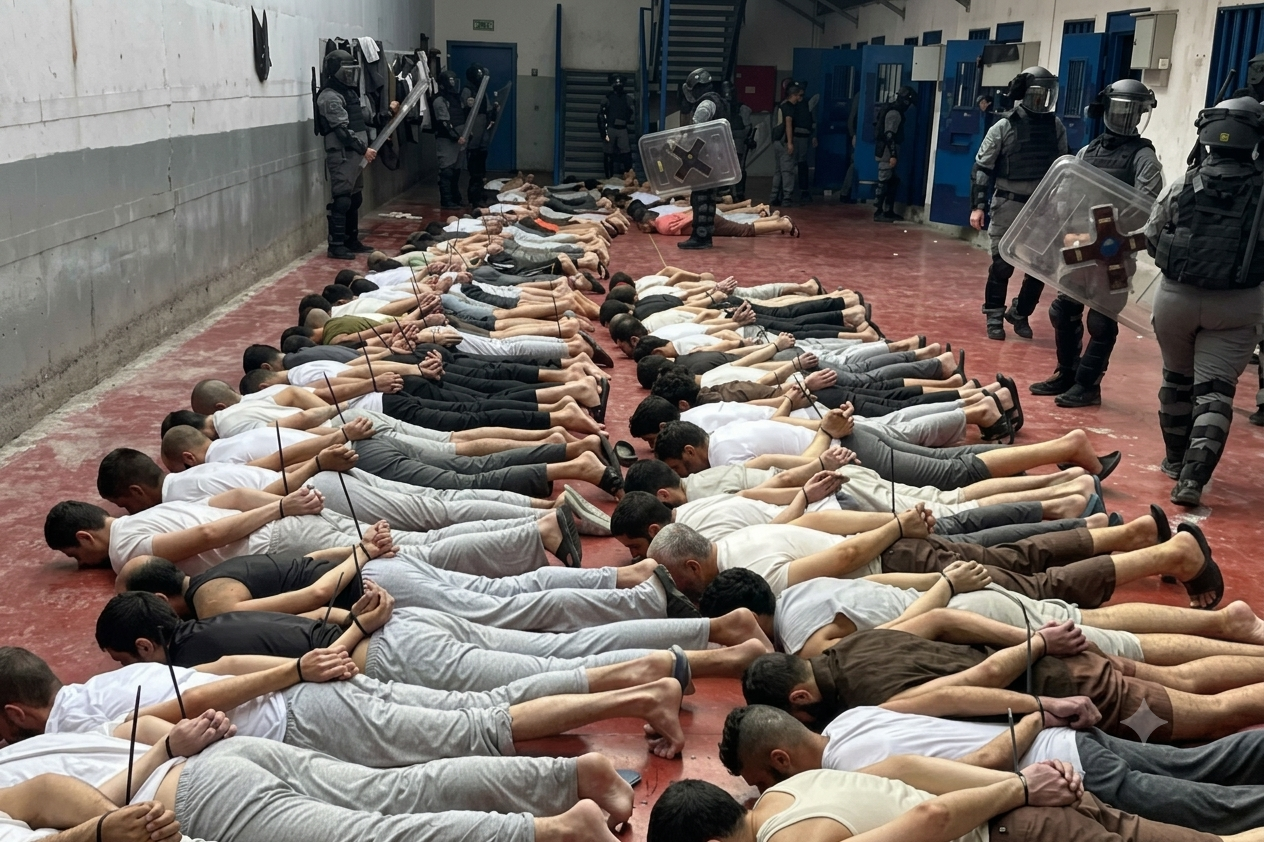
Reports said reduced food supplies have contributed to worsening health conditions and significant weight loss among some prisoners.
The measures also include restrictions on access to clean water, limiting outdoor time, providing poor-quality meals, denying some prisoners blankets, and forcing detainees in some prisons, including Ketziot Prison in the Negev, to sleep on metal surfaces.
Death Penalty Law for Prisoners
One of the most controversial measures is the Palestinian prisoners’ death penalty bill, which was approved by the Israeli Knesset on March 30, 2026.
The law allows for the possibility of issuing death sentences by hanging against Palestinians convicted of killing Israelis if the military court considers the act a "terrorist act" or motivated by "denying the existence of the State of Israel."
The bill was proposed by Ben Gvir’s far-right Jewish Power party and Likud lawmaker Nissim Vaturi. It passed with 62 lawmakers voting in favor, 48 against, and one abstention.
"Crocodile Prison" Project
Ben Gvir also promoted a pilot project at Ketziot Prison in the Negev desert involving the construction of water trenches around prisoner sections intended for raising crocodiles, which officials said would prevent escape attempts.
According to reports, the Israeli National Security Ministry allocated a budget of 21 million shekels ($6.3 million) for the project, while the ministry confirmed that implementation had begun in one of the prison sections.
No comments yet. Be the first to share your thoughts.