
CALI, Colombia — Rescue teams continued searching through the remains of collapsed buildings in Cali on Tuesday, while families waited for news of relatives believed to be trapped beneath the rubble after Colombia's strongest earthquake this century.
The 7.4-magnitude earthquake struck western Colombia on Monday, 10 August, with its epicentre near San José del Palmar in the Chocó region. It caused widespread destruction across Cali, Pereira, Manizales and other areas, leaving hundreds dead and thousands missing or unaccounted for.
In Cali, the ruins of the Torres del Limonar residential complex have become one of the main focuses of the rescue operation.
Efraín Gallego has remained near the site, hoping rescuers will find his 80-year-old brother alive. His brother and his wife were inside the building when it collapsed.
“You feel the pain. Every time there is an alert that someone is alive, hope is born again that we will find him,” Gallego said.
Rescuers and volunteers repeatedly call for silence as they work deeper into the wreckage, listening for voices or movement beneath the concrete.
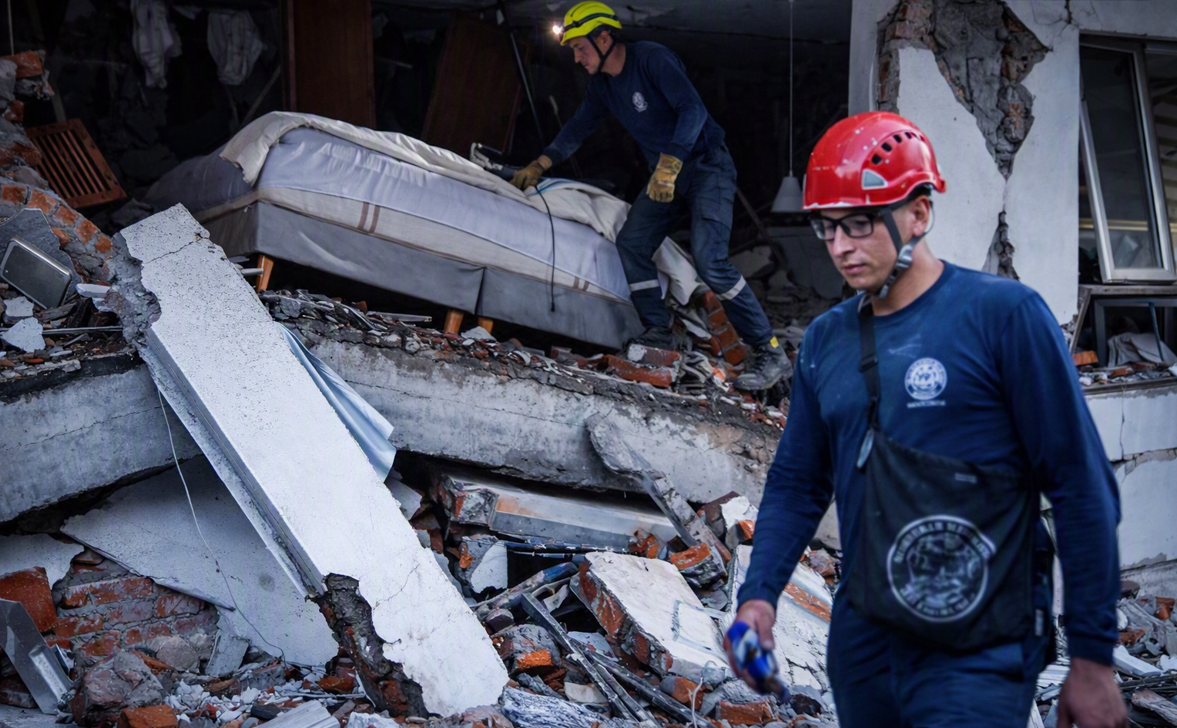
Those moments offer brief hope to families gathered around the site. But as the seconds pass without an answer, the uncertainty returns.
The scale of the disaster has made the search increasingly difficult. Reuters reported on Tuesday that separate figures from affected cities put the national death toll at 254, including 95 deaths in Cali and 101 in Pereira. The national government had not issued a new consolidated figure at that point, while communications remained disrupted in some of the worst-hit areas.
Earlier, President Abelardo de la Espriella said at least 181 people had died nationwide and 2,595 had been injured, while official figures for those missing were considerably lower than estimates from civilian-run databases.
The Colombian Geological Service described the earthquake as the country's strongest recorded in the 21st century. More than 100 aftershocks had been recorded by Tuesday, adding to the risks facing rescue workers.
At Torres del Limonar, residents, firefighters, medical teams, soldiers, humanitarian workers and volunteers have worked alongside one another. Some have removed debris by hand, while others have used machinery to open paths through the collapsed structure.
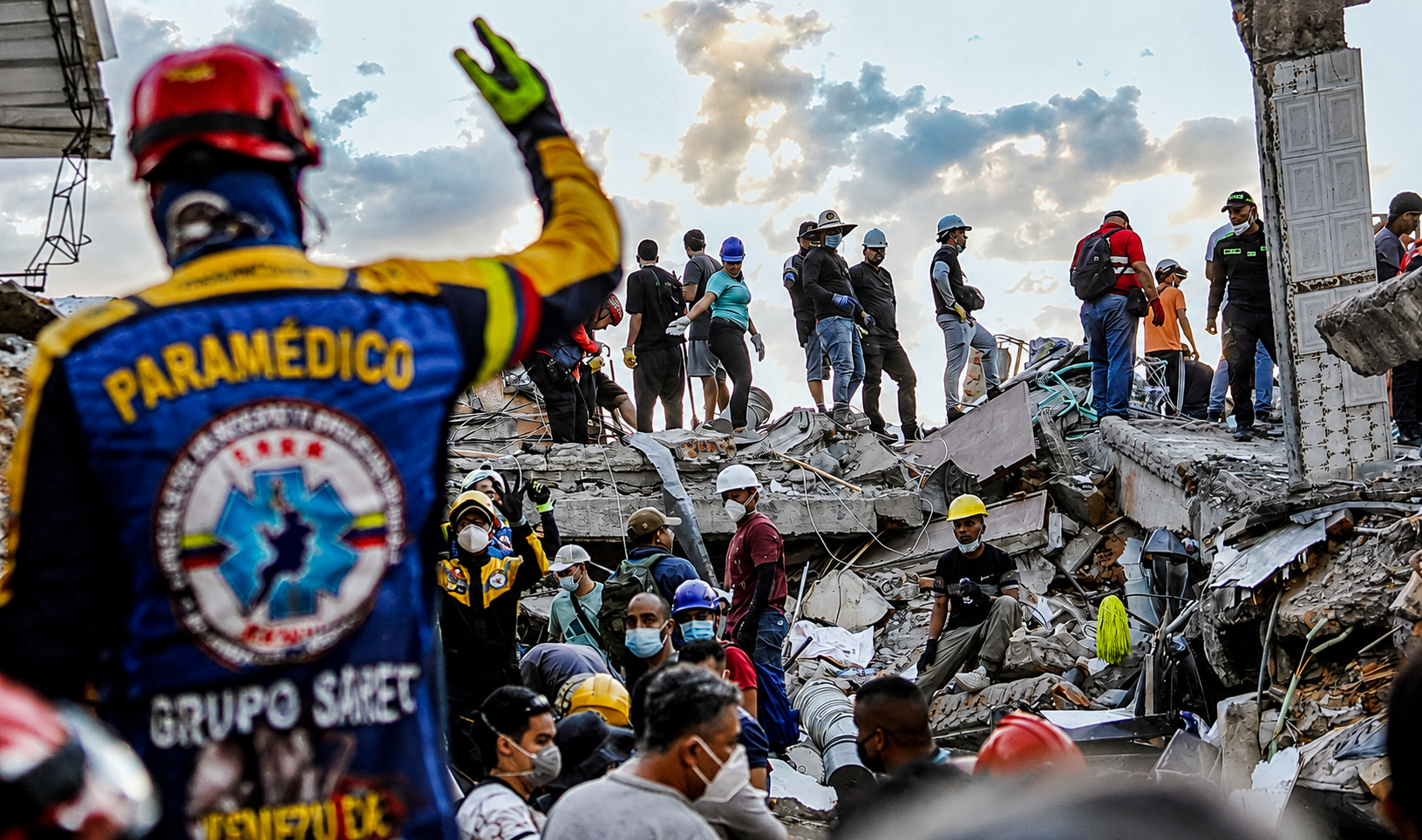
The effort has also produced moments of relief. Rescue teams in Cali pulled survivors from the rubble, including a woman who was carried away on a stretcher after being found alive. AP reported that rescuers repeatedly raised their hands to demand silence when they believed they could hear someone beneath the debris.
Cali Mayor Alejandro Eder imposed an overnight curfew as authorities sought to protect affected neighbourhoods and keep roads clear for emergency operations.
For families such as Gallego's, the operation has become a prolonged wait measured in minutes of silence, sounds from beneath the rubble and occasional reports of survivors.
As heavy machinery and rescue teams continue working through the ruins, Gallego remains hopeful that his brother will be among those brought out alive.
No comments yet. Be the first to share your thoughts.