Gazatte
Independent journalism
  • Gold$3,524.850.00%
  • Bitcoin$57,664.92▼ down 1.87%
  • EUR/USD1.0971▼ down 0.02%
  • USD/ILS3.34120.00%
  • Ethereum$1,626.19▲ up 0.48%
  • GBP/USD1.30800.00%
  • USD/EGP53.81▲ up 0.11%
  • Silver$40.990.00%
  • USD/JPY158.560.00%
  • USD/TRY50.54▲ up 0.04%
  • USD/JOD0.70900.00%
  • USD/SAR3.7626▲ up 0.71%
Skip to content
Gazatte
Middle EastPalestineWorldPoliticsBusinessCultureOpinionMarkets
Gazatte
Menu
Log in

Sections

Middle EastCurrentLebanonSyriaYemenGulfIran-Israel War
PalestineGazaWest BankJerusalemPalestinians of '48
WorldAmericasRussia-Ukraine WarEuropeAsia-PacificAfricaMore world news
PoliticsU.S. PoliticsEuropean PoliticsElectionsDiplomacy & Foreign PolicyInternational Law & Human Rights
Business
Culture
Opinion
Sports
Travel
Language
GazatteMiddle East & World News
Log in
/
Gazatte
BusinessCultureOpinionMarkets
  1. Middle East
  2. ·
  3. Lebanon

Two Decades Later: What Has Changed in Lebanon Since the 2006 War?

Twenty years after the July 2006 Lebanon War, the country faces worsening security and economic crises. Despite ceasefire agreements, Israeli violations and ambitions have prevented lasting stability, while Hezbollah’s military power has grown amid Lebanon’s economic collapse.

By Gazatte Staff

12 July 2026, 15:47 GMT · Updated 6 October 2026, 11:15 GMT · 2 min read ·

Two Decades Later: What Has Changed in Lebanon Since the 2006 War?

Over the past two decades, Lebanon has endured repeated Israeli violations of ceasefire deals, leaving civilians without sustained peace. Hezbollah has significantly expanded its military capabilities, while Lebanon’s economy has suffered unprecedented decline. The current war, ongoing since March 2026, highlights stark differences compared to the 2006 conflict.

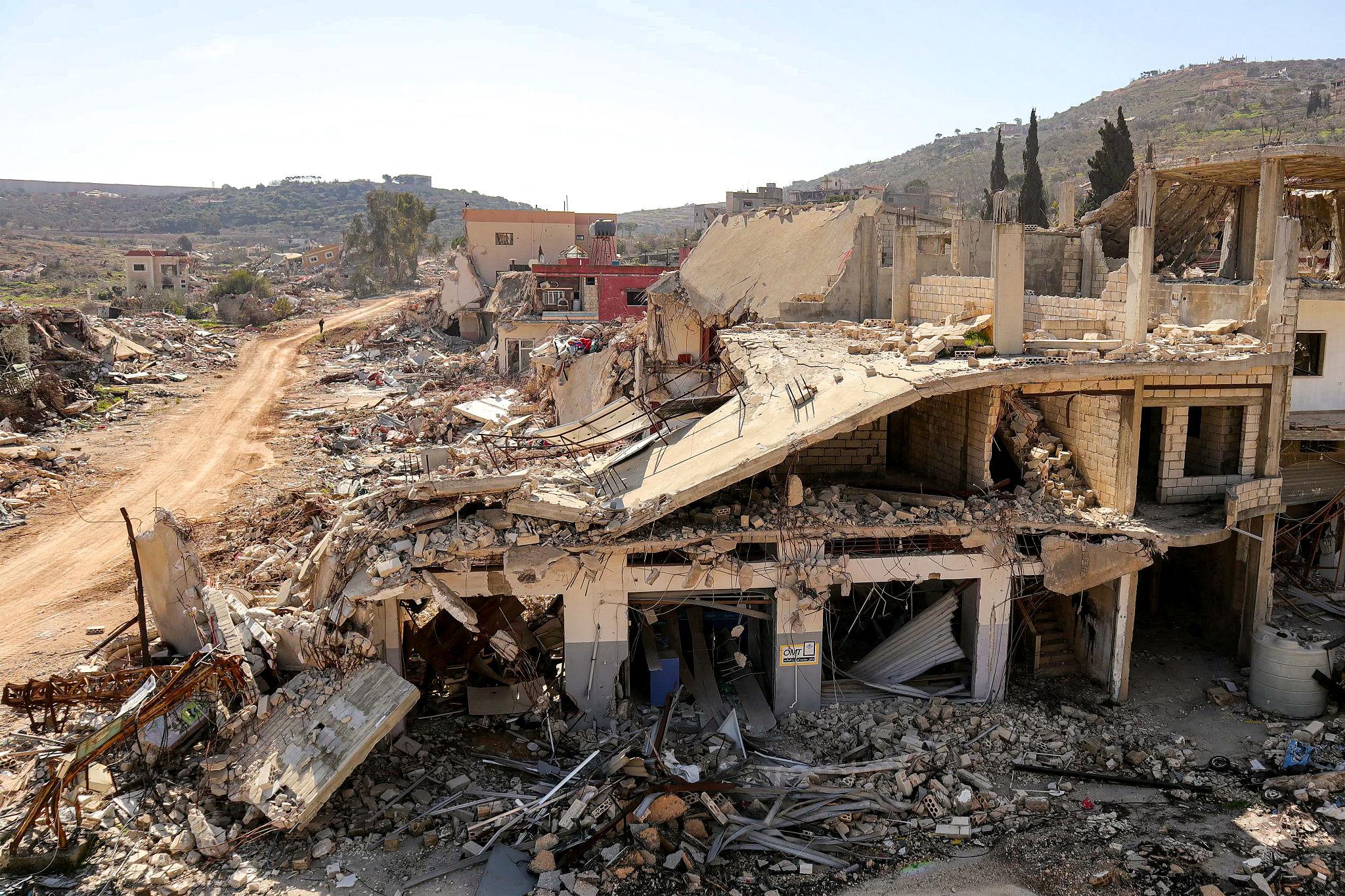
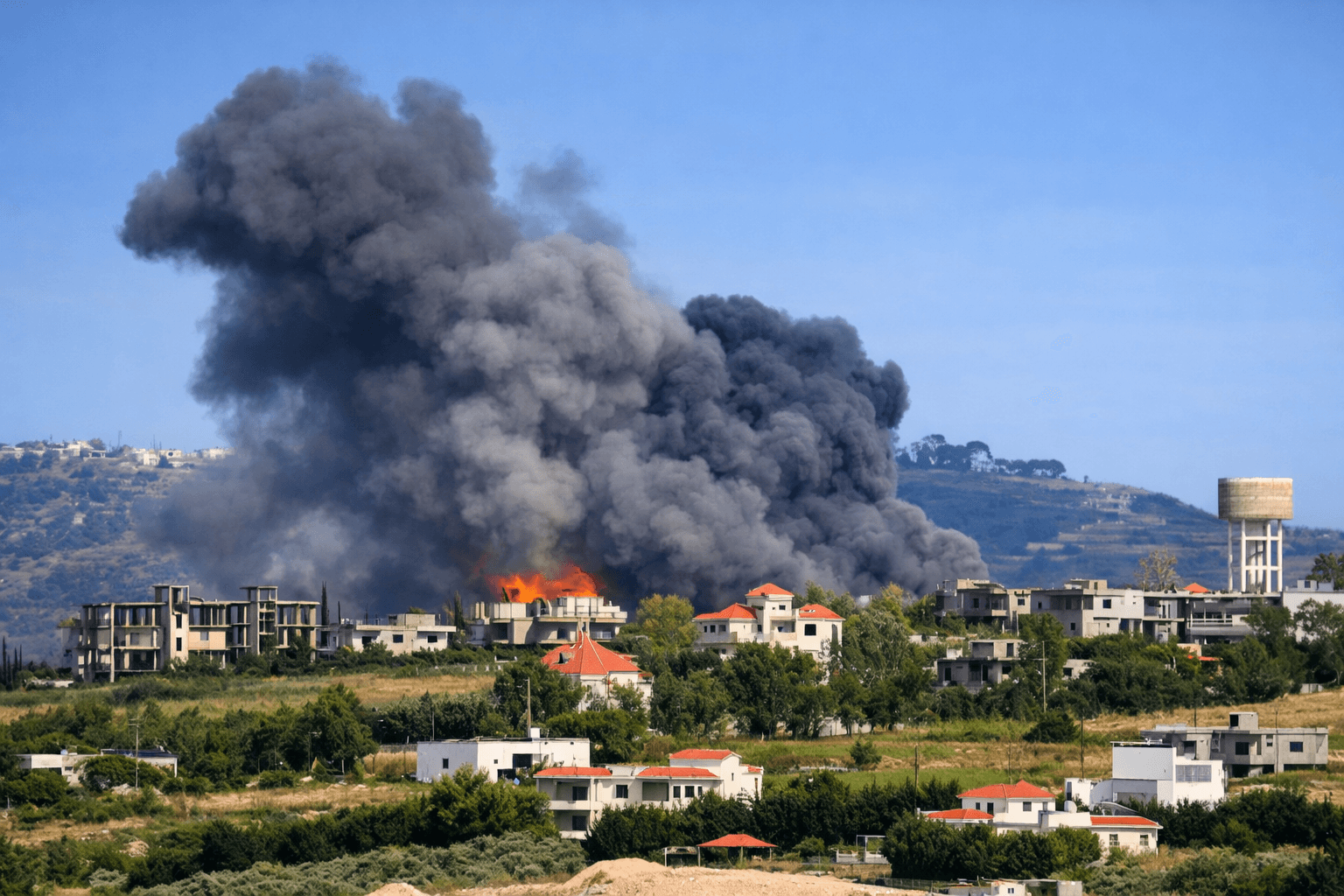
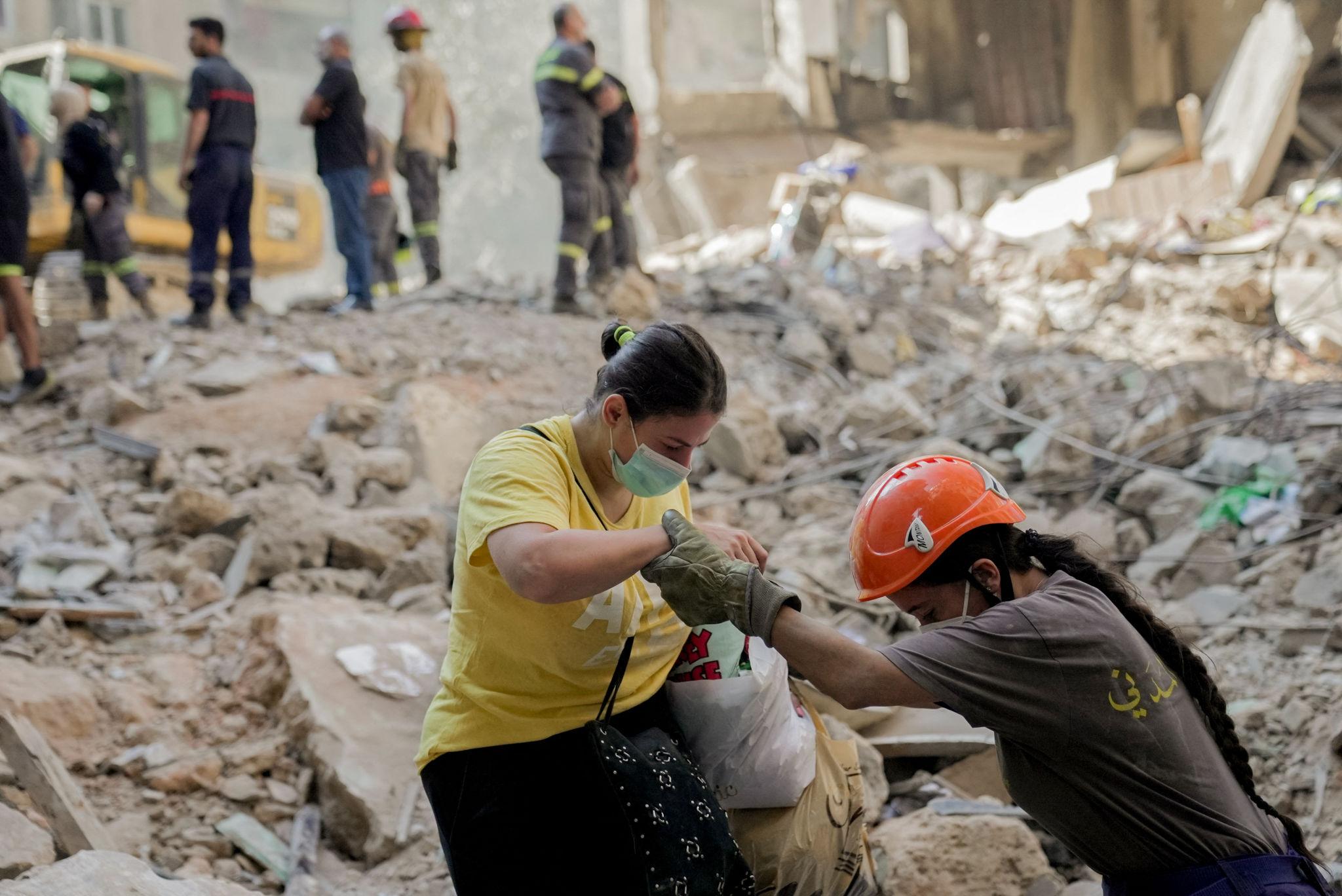
Doctrines of War In 2006, Israel employed the “Dahiya Doctrine,” targeting Hezbollah’s strongholds in southern Beirut with overwhelming firepower and infrastructure destruction. This approach aimed to separate resistance from its civilian base. Today, Israel has escalated to what analysts call the “Doctrine of Ruins,” involving mass evacuation orders across southern Lebanon, Bint Jbeil, Tyre, and even Baalbek. The strategy seeks to enforce a buffer zone—dubbed the “yellow line”—by forcibly displacing populations and demolishing villages.
Article image

Israeli Objectives In 2006, Israel’s cabinet outlined six goals: reinforcing deterrence, halting attacks from Lebanon, pressuring the Lebanese government, recovering captured soldiers, crippling Hezbollah, and keeping Syria and Palestine out of the war. In 2026, objectives have expanded to dismantling Hezbollah’s arsenal entirely and creating a 10 km-deep buffer zone through destruction of border villages, echoing tactics used in Gaza.
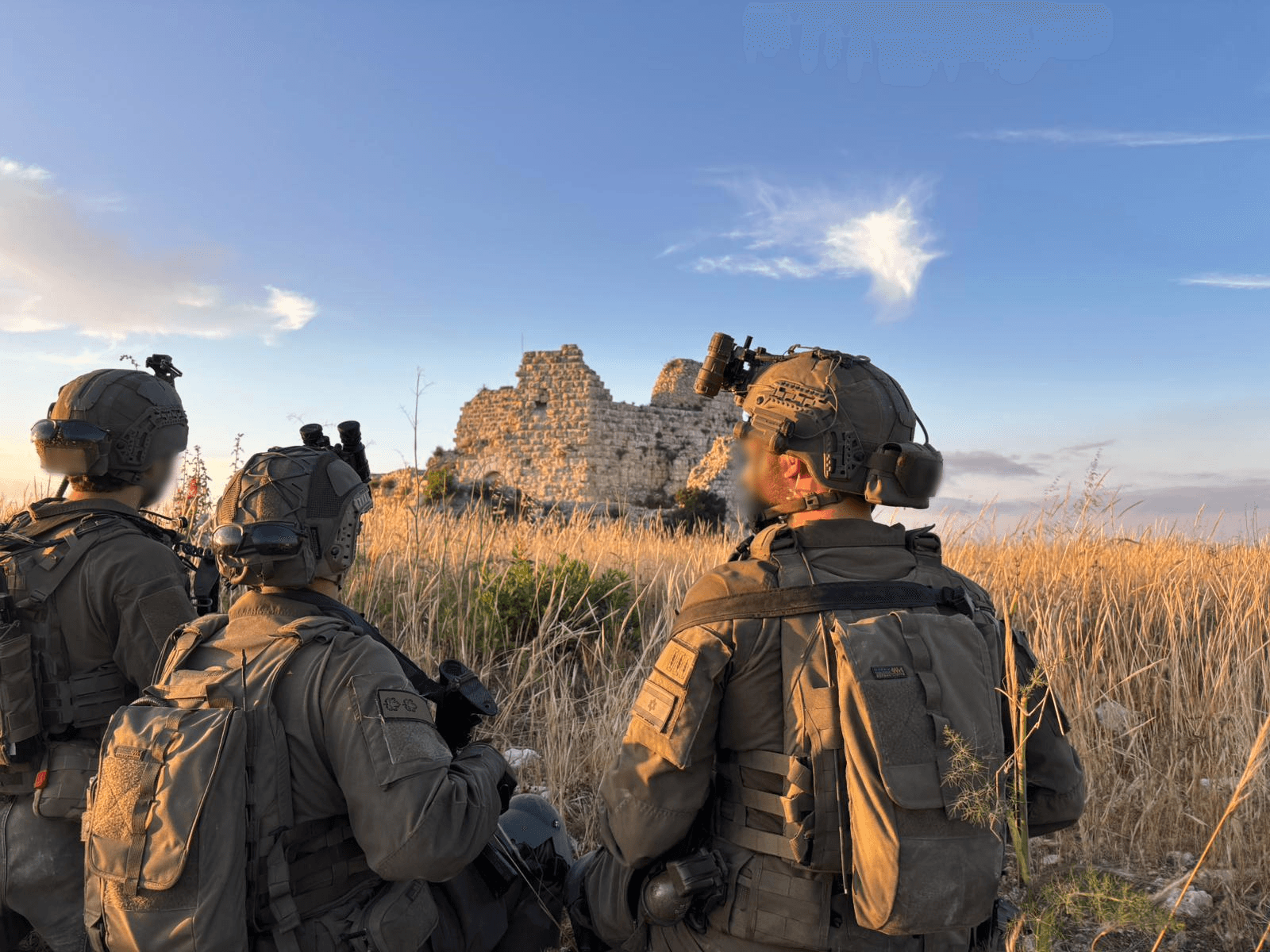
Hezbollah’s Capabilities During the 2006 war, Hezbollah relied on guerrilla tactics and short-range rockets reaching Haifa. Since then, the group has multiplied its fighters to over 10,000, possibly 14,000, and advanced its arsenal, including drones. Despite Israel’s technological superiority and targeted assassinations, Hezbollah’s expanded forces have shifted the balance, enabling greater resilience against Israeli offensives.

Human and Economic Costs

  • 2006 War: About 1,200 killed, 4,400 injured. Economic damage reached $2.8 billion, with Lebanon’s economy relatively stable at the time.

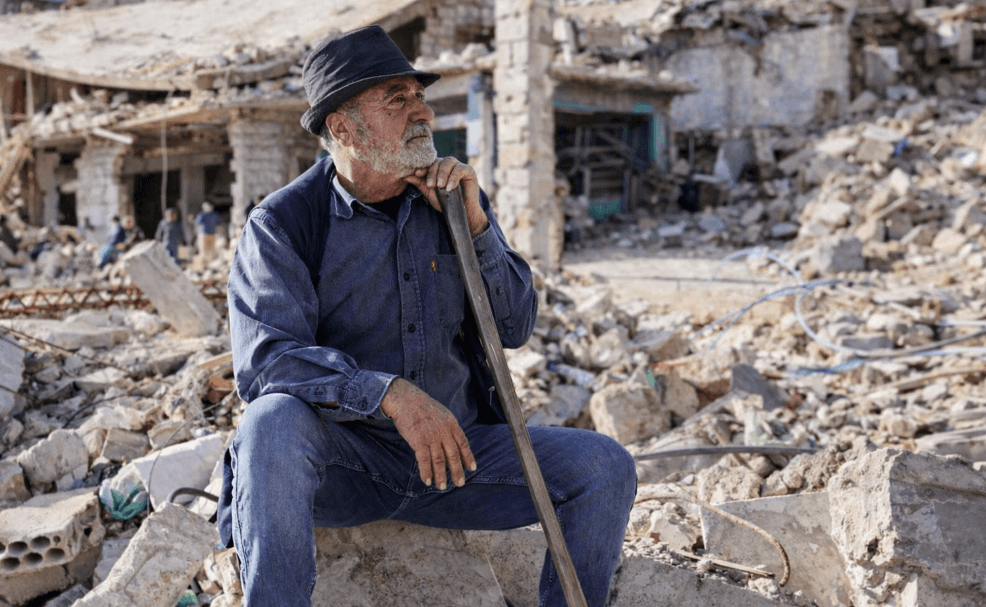
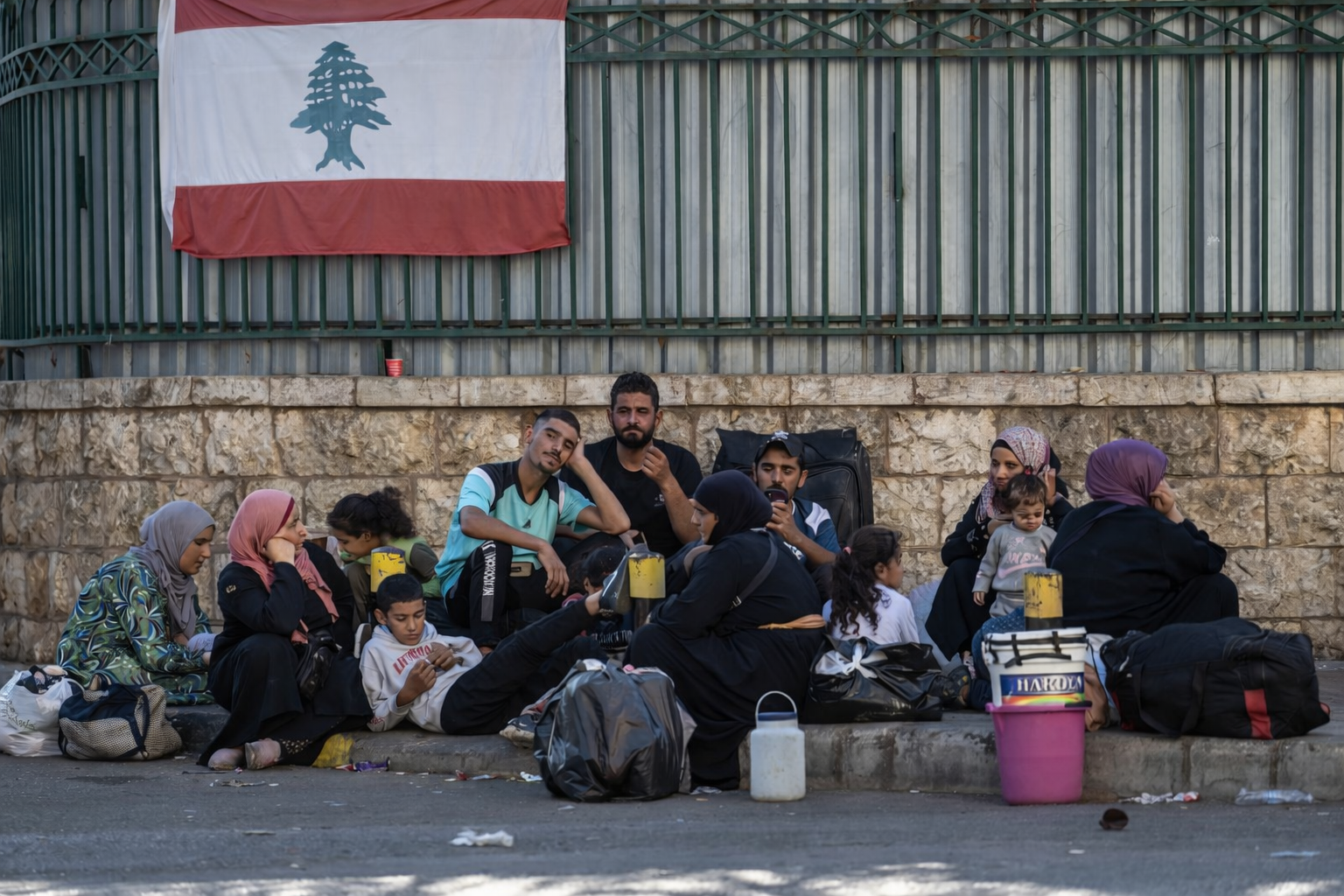
  • 2026 War: Over 4,322 killed and 12,210 injured since March. Economic losses may reach $20 billion, with GDP shrinking by 10%. Lebanon now suffers its worst collapse in modern history, with the currency losing 90% of its value and 80% of citizens living below the poverty line.

  • More in Lebanon
    • LEBANON ESCALATIONThree Israeli soldiers wounded as strikes kill 11 in southern Lebanon
    • IRAN-HEZBOLLAHReports point to Iranian contact with Hezbollah fighters on front lines
    • Israeli strike kills seven in southern Lebanon as attacks intensify
    • Israeli Soldier Wounded Amid Incursions and Shelling in Southern Lebanon
    Article image

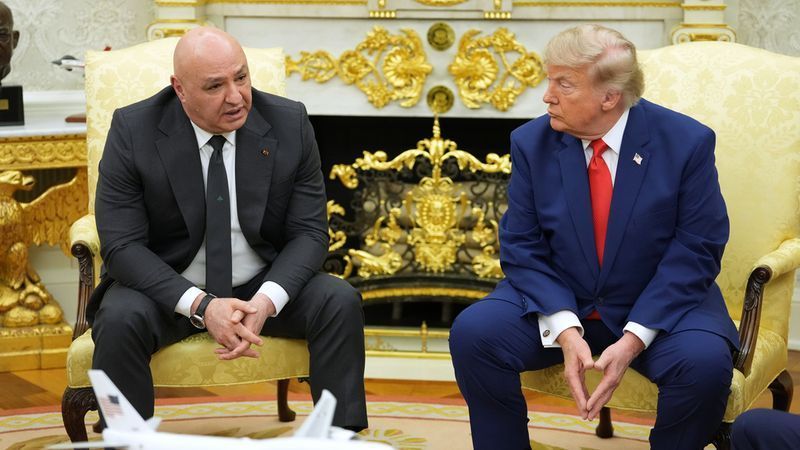
    International Role In 2006, the U.S. and France coordinated to pass UN Resolution 1701, ending the war and deploying UNIFIL forces. In 2026, Washington under President Donald Trump has given Israel broad latitude, while Europe seeks to mediate peace after UNIFIL’s withdrawal. The fragile “framework agreement” signed last month in Washington may reshape Lebanon’s security landscape, potentially enforcing Hezbollah’s disarmament while granting Israel expanded military freedom.

    Future Security Arrangements Israel has violated Resolution 1701 by expanding its presence south of the Litani River, establishing 18 military points inside Lebanon, and enforcing the “yellow line.” If the new framework is implemented, Lebanon could face a new reality: Hezbollah disarmed, villages destroyed, and Israel enjoying unprecedented operational freedom.

    Gazatte follows its Editorial Policy. Spotted an error? Tell us.

    Add Gazatte as a preferred source on Google

    More in Lebanon

    • LEBANON ESCALATIONThree Israeli soldiers wounded as strikes kill 11 in southern Lebanon
    • IRAN-HEZBOLLAHReports point to Iranian contact with Hezbollah fighters on front lines
    • Israeli strike kills seven in southern Lebanon as attacks intensify
    • Israeli Soldier Wounded Amid Incursions and Shelling in Southern Lebanon

    More from Lebanon

    • Former Mossad official urges stronger Lebanon strikes while opposing wider war
      ISRAEL–LEBANON CEASEFIRE

      Former Mossad official urges stronger Lebanon strikes while opposing wider war

    • More than 821,000 displaced Lebanese have begun returning, UN says
      LEBANON DISPLACEMENT

      More than 821,000 displaced Lebanese have begun returning, UN says

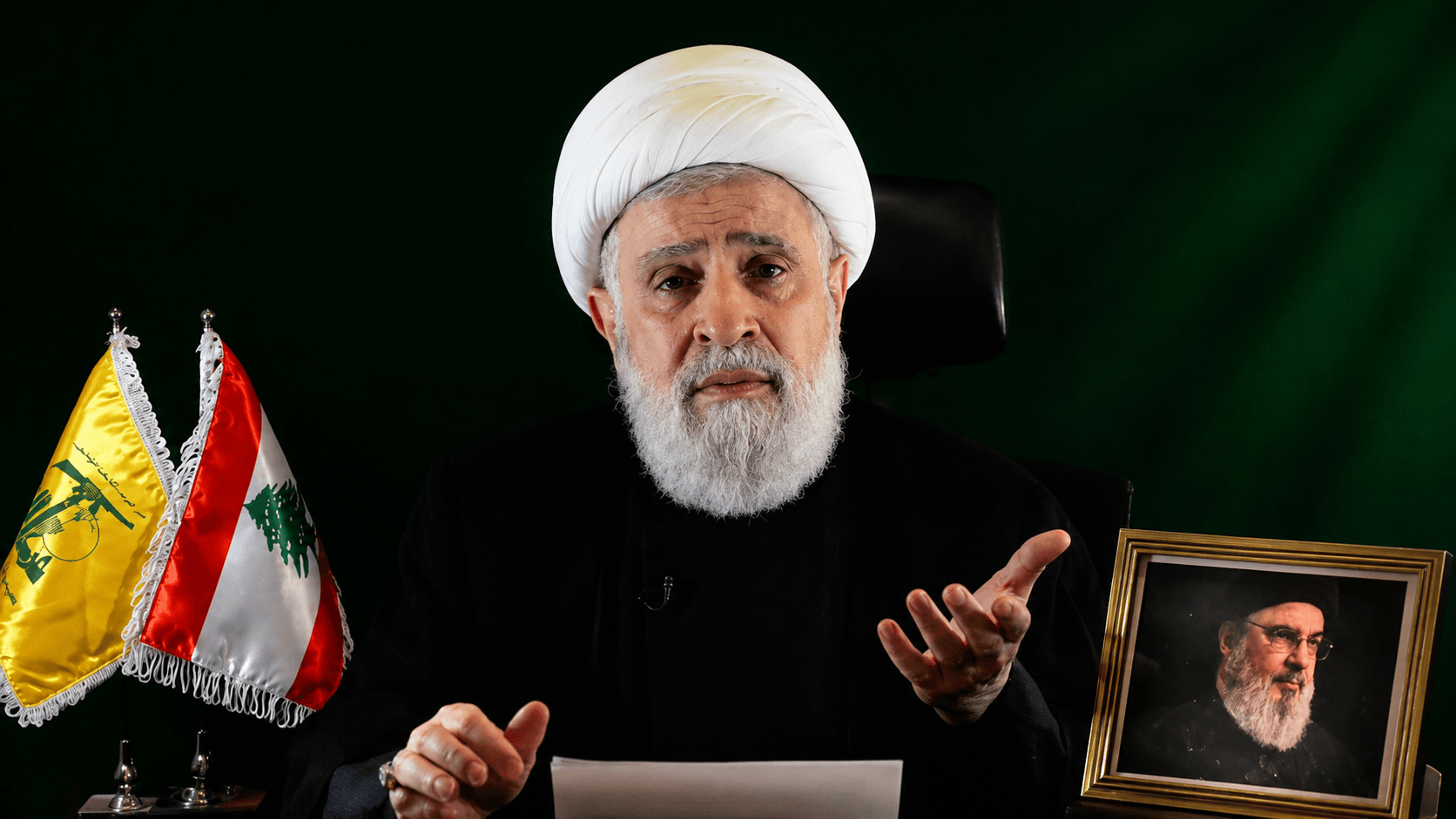
    • Naim Qassem: Lebanese Authorities Should Stop “Free Concessions”; No Objection to Meeting Syrian Leadership

      Naim Qassem: Lebanese Authorities Should Stop “Free Concessions”; No Objection to Meeting Syrian Leadership

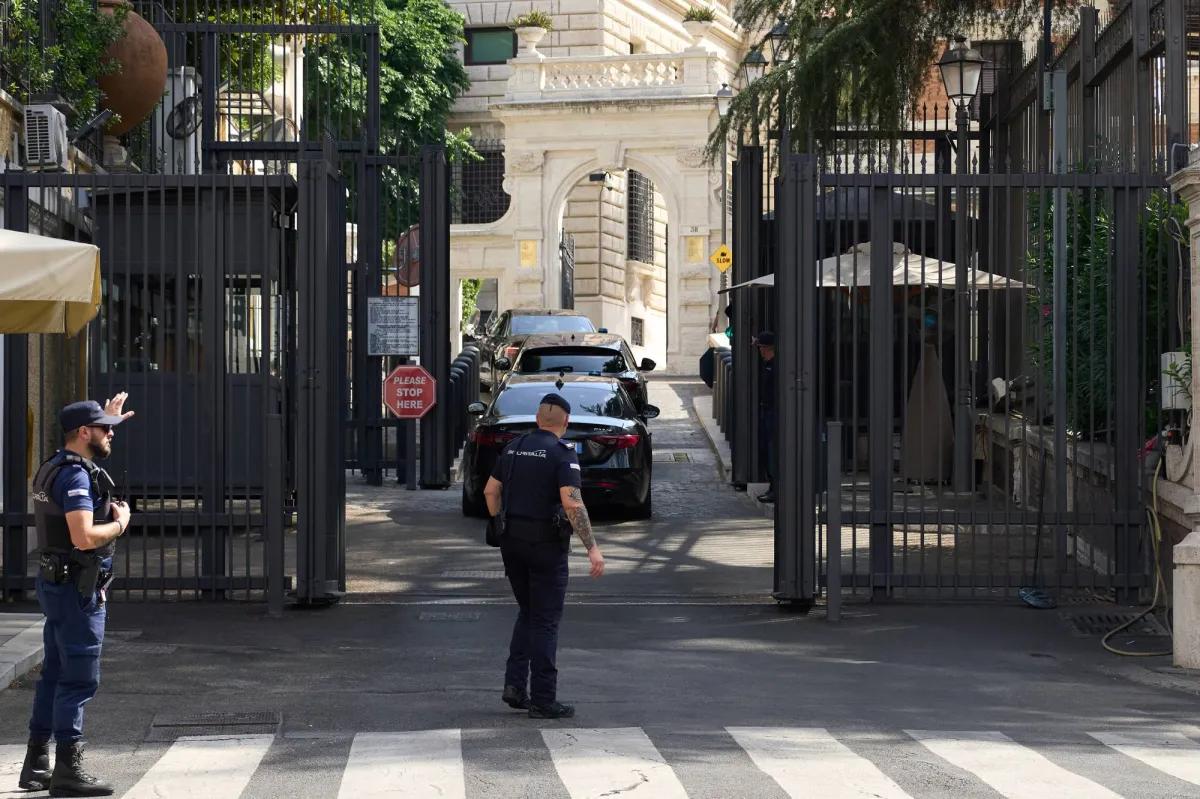
    • Lebanon and Israel open seventh round of direct talks in Rome
      LEBANON-ISRAEL TALKS

      Lebanon and Israel open seventh round of direct talks in Rome

    • Lebanon Calls for International Action to Halt Israeli Violations

      Lebanon Calls for International Action to Halt Israeli Violations

    • Trump Promises Major Support for Lebanon as Aoun Seeks Army Aid and Israeli Withdrawal
      U.S.–LEBANON TALKS

      Trump Promises Major Support for Lebanon as Aoun Seeks Army Aid and Israeli Withdrawal

    Gazatte

    Independent news and analysis on the Middle East and the world.

    Follow us
    Add Gazatte as a preferred source on Google

    Sections

    • Latest news
    • Markets
    • Palestine
    • Middle East
    • Politics & Diplomacy
    • Opinion
    • Business & Economy

    About Gazatte

    • About Us
    • Our Newsroom
    • Editorial Policy
    • Corrections
    • Ownership & Funding

    Contact

    • WhatsApp +44 7488 813779
    • support@gazatte.co
    • Contact Us

    © Gazatte. All rights reserved.

    • Privacy Policy
    • Terms of Use
    • Cookie Policy