
The Times of Israel, citing the Israeli military, reported that the soldier was hospitalized with moderate injuries sustained during operations in southern Lebanon.
Israeli forces also entered several southern towns, including the northern outskirts of Mais al-Jabal, particularly the Wadi al-Jamal area. The incursions coincided with artillery shelling targeting a house and machine-gun fire. Lebanon’s National News Agency reported that the town of Mansouri was also subjected to sustained Israeli artillery fire that damaged homes.
Earth barrier
After midnight Saturday, an Israeli military force entered Zawtar al-Gharbiya in southern Lebanon and built a new earth barrier near the town’s square, in what Lebanese officials described as another violation of the “pilot area agreement” reached between Lebanon and Israel in June.
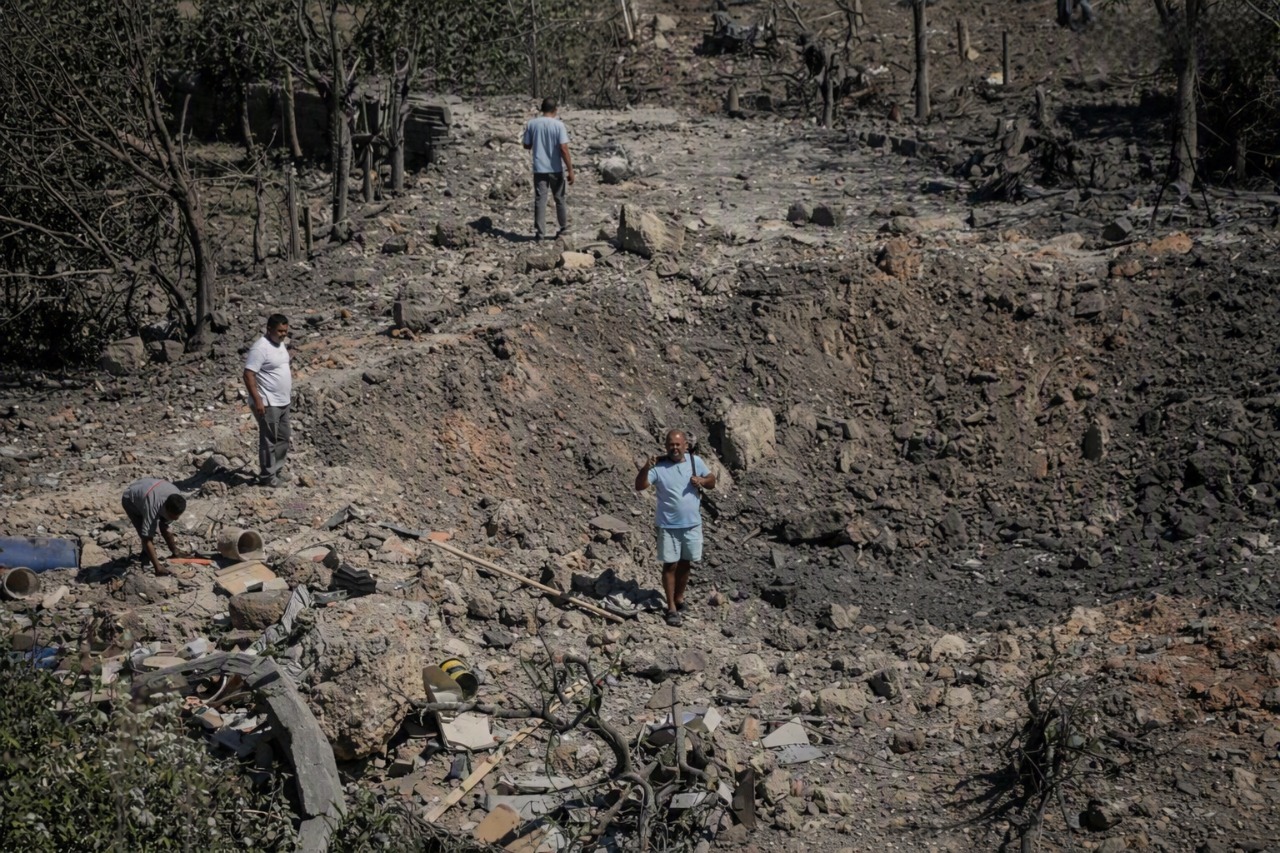
Zawtar al-Gharbiya Mayor Abd Ezzeddine told Agence France-Presse that around 50 families live in the town, adding that residents were surprised to find the earth barrier in place in the morning. He said it was located about 100 meters from the town center.
Zawtar al-Gharbiya is one of the “pilot areas” established under the framework agreement. The Lebanese army deployed there on July 21.
Israeli artillery also shelled wooded areas and Ali al-Taher hill on the outskirts of Nabatieh al-Fawqa from midnight until Saturday morning, as well as the area between Doueir and Kfar Rumman and Dabsha Hill. Israeli warplanes also flew at low altitude over central and western sectors of southern Lebanon.
Strikes amid agreements
Israel has been carrying out military operations in Lebanon since March 2, following Hezbollah rocket fire toward northern Israel. Israeli forces subsequently took control of several towns in southern Lebanon.
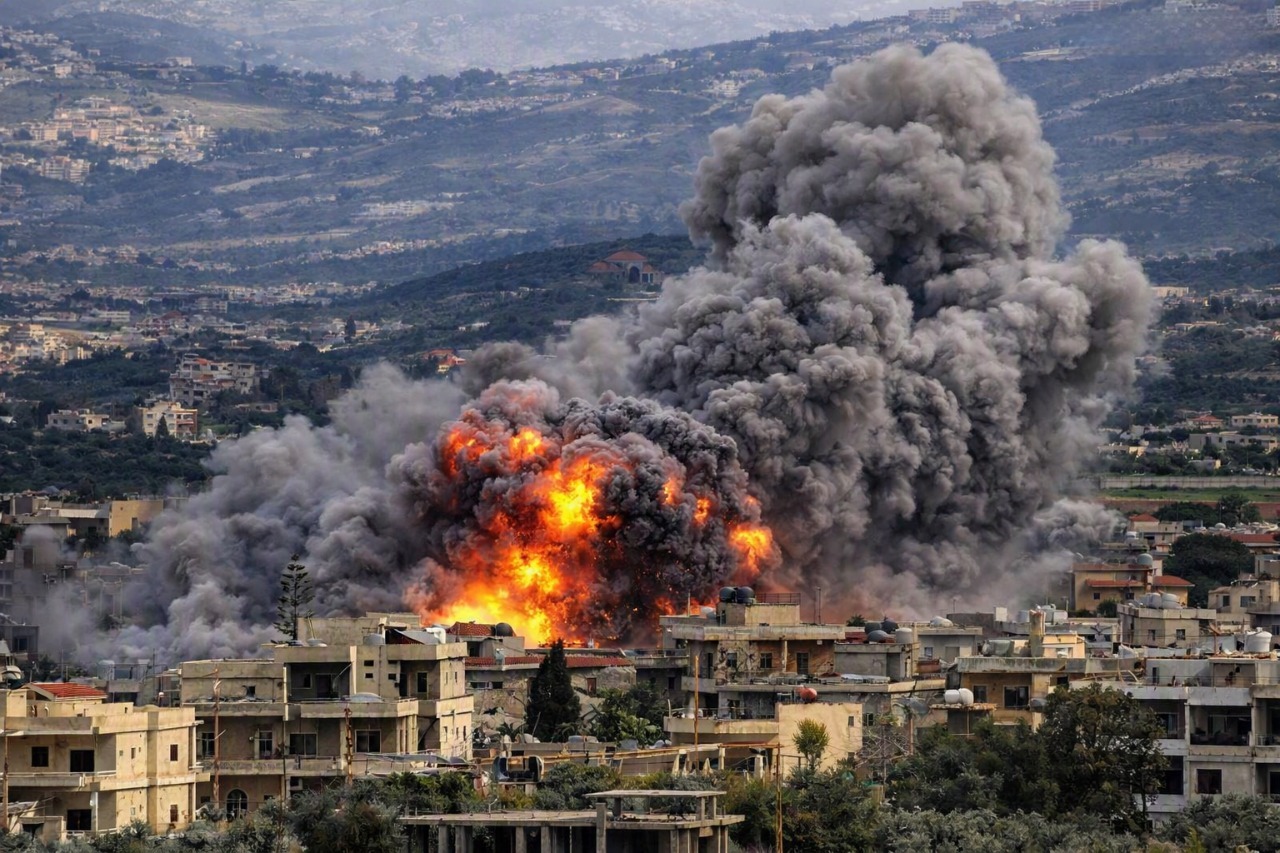
Israeli strikes continued across southern Lebanon and the Bekaa Valley in eastern Lebanon after the initial ceasefire between Lebanon and Israel was announced on April 16. The agreement was extended for three weeks on April 23 and for another 45 days on May 15.
On June 26, Lebanon and Israel reached a framework agreement after five rounds of U.S.-mediated talks. The agreement includes provisions for Hezbollah’s disarmament, the gradual withdrawal of Israeli forces from occupied areas in southern Lebanon and the deployment of the Lebanese army, beginning with designated “pilot areas.”
Lebanon and Israel concluded their seventh round of direct talks in Rome on August 6. A source in the Lebanese presidency said Israel rejected Lebanon’s request to designate another area for a troop withdrawal, instead demanding “verification” that the Lebanese army had established full control over two areas where it had already deployed.
No comments yet. Be the first to share your thoughts.