Le 5 Forze Aeree Più Potenti d’Europa: Cosa Rivela la Nuova Classifica USA?
In mezzo alla guerra Russia-Ucraina e alla corsa agli armamenti in accelerazione in Europa, la potenza aerea ha riacquistato attenzione come indicatore chiave della forza militare. Una nuova classifica evidenzia le cinque forze aeree più potenti del continente basandosi sulla prontezza al combattimento, il progresso tecnologico e le capacità industriali di supporto.
Un rapporto pubblicato da The National Interest ha classificato le cinque forze aeree più forti in Europa, sottolineando che la valutazione non si basa unicamente sul numero di velivoli, ma considera anche la prontezza operativa, lo sviluppo tecnologico e l’infrastruttura industriale che supporta ciascuna forza.
La classifica individua i paesi leader e i principali fattori dietro le loro posizioni:
1. Russia
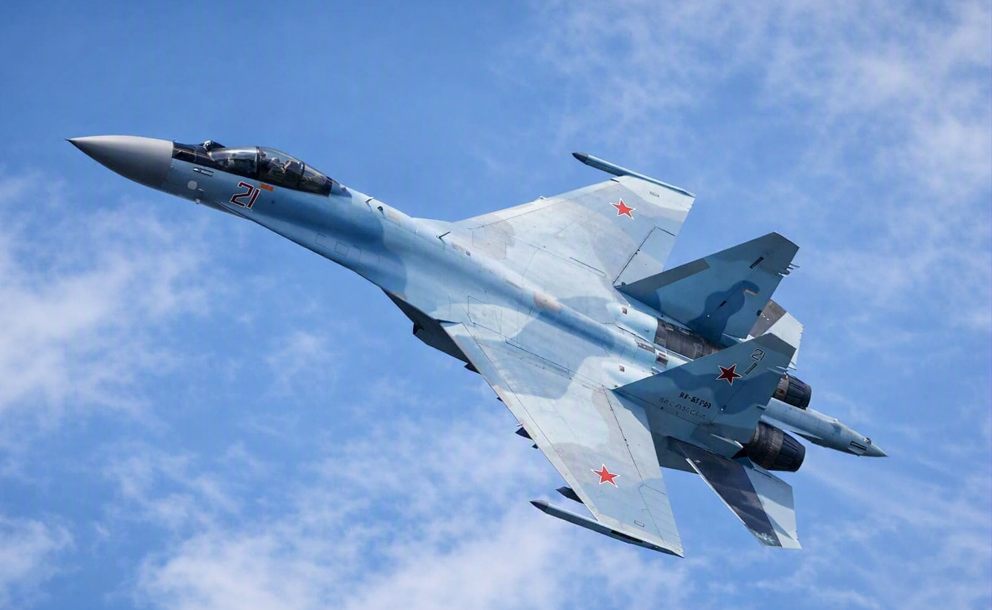
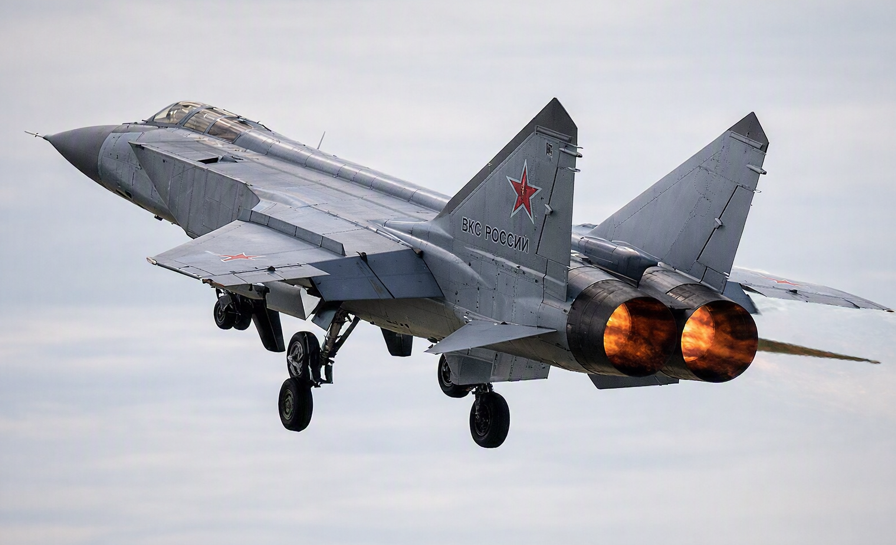
La Russia si è classificata prima nella lista, beneficiando della più grande flotta aerea d’Europa in termini di dimensioni, con circa 4.300 velivoli, inclusi più di 900 aerei da combattimento di prima linea.
Il rapporto ha evidenziato che la flotta include avanzati caccia multiruolo di quarta generazione (4.5 generazione), tra cui i Sukhoi Su-30 e Su-35, oltre al caccia-bombardiere Su-34.
La Russia opera anche uno dei pochi caccia di quinta generazione sviluppati internamente al mondo, il Sukhoi Su-57, sebbene il rapporto abbia sottolineato che il suo tasso di produzione rimane limitato.
Nonostante la guerra in Ucraina abbia rivelato “significative limitazioni” nella capacità della Russia di condurre attacchi di precisione, la rivista ha affermato che ciò non riduce lo status della sua forza aerea, che rimane la più forte in Europa.
2. Turchia
La Turchia si è classificata seconda, con più di 1.000 velivoli e circa 300 caccia. La sua forza aerea si basa principalmente su aerei F-16 Fighting Falcon di fabbricazione statunitense, che costituiscono la spina dorsale delle sue capacità aeree.
La rivista ha detto che la flotta è supportata da un mix di velivoli più datati, inclusi gli F-4 Phantom II.
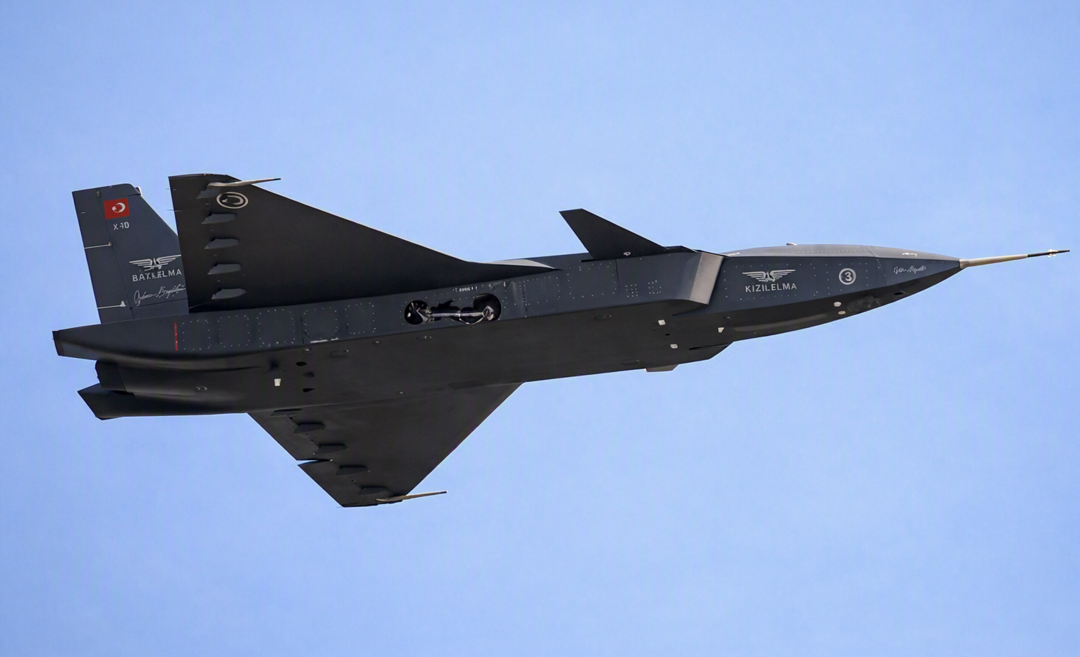
Negli ultimi anni, Ankara si è orientata verso lo sviluppo di moderni caccia pilotati prodotti internamente, in particolare il caccia di quinta generazione TF Kaan. Tuttavia, il rapporto ha affermato che l’innovazione più significativa della Turchia nella guerra aerea è stata lo sviluppo di droni a basso costo, in particolare il Bayraktar TB2.
3. Regno Unito
Il Regno Unito si è classificato terzo, con circa 670 velivoli, inclusi quasi 160 aerei da combattimento avanzati.
Il rapporto ha osservato che la lunga storia e la reputazione internazionale della Royal Air Force spesso oscurano la sua dimensione relativamente più piccola rispetto ad altre grandi potenze aeree nella classifica.
La struttura della forza aerea britannica si basa su un approccio “high-low mix”, combinando un numero limitato di piattaforme avanzate con sistemi a basso costo e sostituibili.
Le sue principali capacità includono i caccia F-35B Lightning II di fabbricazione statunitense, che operano insieme agli Eurofighter Typhoon.
Il rapporto ha aggiunto che il Regno Unito funge da principale hub europeo della NATO per la sorveglianza marittima e le operazioni di ricognizione stealth, in parte grazie al missile aria-aria MBDA Meteor, che fornisce ai suoi aerei capacità eccezionali di ingaggio oltre la linea visiva.
4. Francia
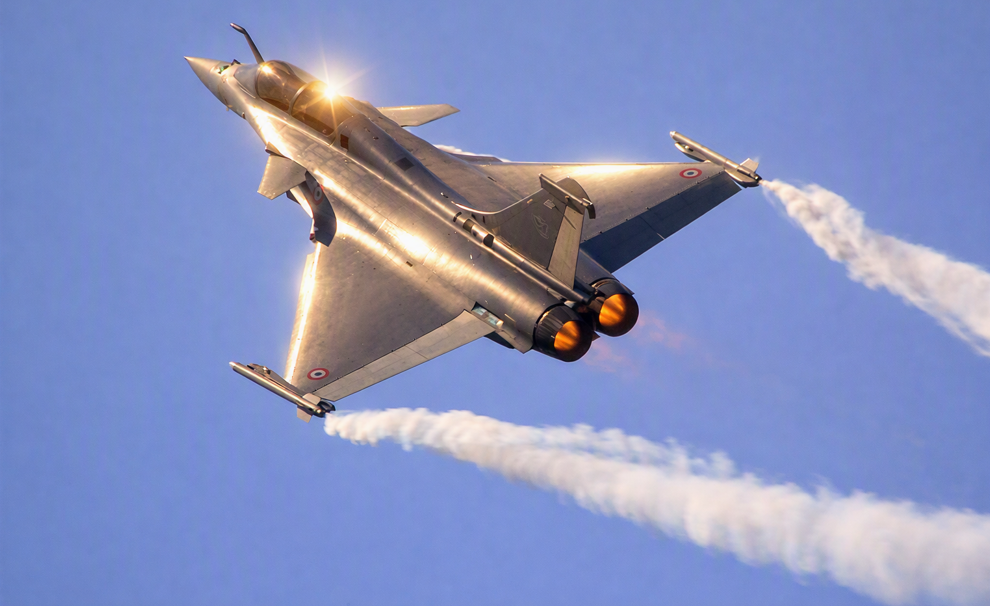
La Francia si è classificata quarta, con una flotta di circa 520 velivoli, guidata dai caccia Dassault Rafale prodotti internamente.
Il Rafale costituisce la spina dorsale della flotta operativa di caccia della Francia, che include più di 200 velivoli, insieme ai caccia Mirage 2000-5 che sono gradualmente in fase di dismissione.
Il rapporto ha evidenziato che la Francia è unica nel possedere una forza aerea completamente indipendente che non dipende da equipaggiamenti statunitensi. Mantiene inoltre capacità di attacco nucleare tramite aerei Rafale equipaggiati con missili ASMP-A, oltre a operare una portaerei a propulsione nucleare.
5. Italia
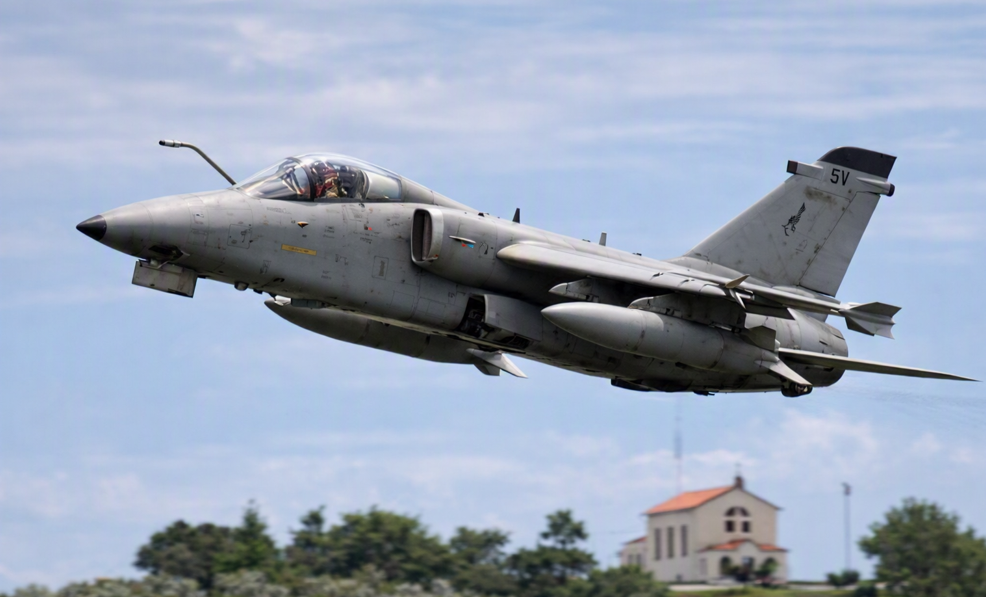
L’Italia si è classificata quinta, con una flotta aerea stimata tra 740 e 960 velivoli. Il rapporto ha osservato che il paese opera circa 200 aerei da combattimento attivi, rendendolo uno dei centri chiave in Europa per operazioni aeree stealth.
La rivista ha aggiunto che la forza aerea italiana opera un mix di caccia F-35A e F-35B, con questi ultimi che forniscono al paese capacità flessibili di proiezione di potenza marittima attraverso operazioni da portaerei nel Mediterraneo.
La potenza aerea italiana è inoltre supportata dall’impianto di Cameri per l’assemblaggio finale e l’ispezione, che è l’unico centro in Europa responsabile della produzione e manutenzione degli aerei da combattimento F-35.

Ancora nessun commento. Scrivi tu il primo.