
The discoveries were made at the Kom al-Khilgan archaeological site by a mission affiliated with Egypt’s Supreme Council of Antiquities.
The oldest finds date to the Lower Egyptian Buto I and II cultures in the first half of the fourth millennium BC. Archaeologists found simple graves dug into the sand, containing burials in different positions, small pottery vessels and seashells. The large number of burials suggests that the site hosted a sizable settlement during this early period.
Excavations also revealed a residential area and cemeteries dating from the Second Intermediate Period through the New Kingdom. The remains include mudbrick structures, grain silos, ovens and hearths, along with pottery, stone tools and large quantities of fish, bird and animal bones. These finds provide insight into the daily life, diet and economic activities of the inhabitants.
The mission also uncovered zigzag walls surrounding residential and burial structures, an architectural feature that spread from the Middle Kingdom through the New Kingdom.
Evidence of Hyksos-era settlement
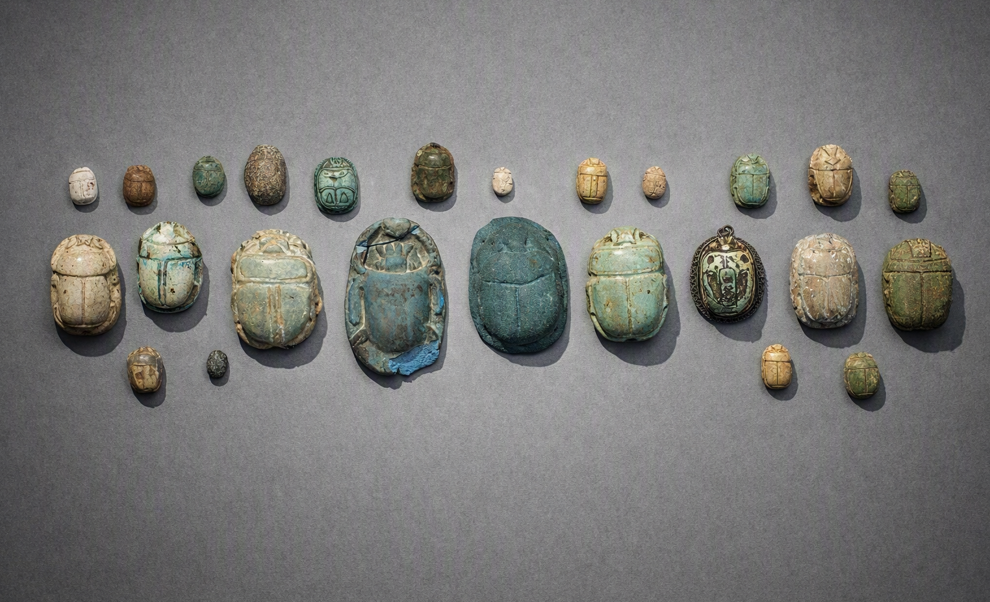
Several graves date from the 15th to 17th dynasties and the beginning of the 18th Dynasty, confirming settlement at the site during the Hyksos period. The area was located near Avaris, the Hyksos capital.
The graves contained jewelry, amulets, scarabs, tools, bronze weapons and pottery, including vessels associated with the Tell el-Yahudiyeh style.
Another mudbrick tomb dating to the early 18th Dynasty contained pottery and bronze objects, while a thick-walled structure was linked to the early New Kingdom.
The site continued to serve as a burial ground during the Ptolemaic period. Archaeologists found simple burial pits, including the burial of a child inside two reused amphorae.
Excavations are continuing as archaeologists work to uncover more evidence about the site’s long history.
No comments yet. Be the first to share your thoughts.