With the renewal of America’s Independence Day, citizens retell a familiar story of how their nation broke free from Britain. Yet documents in the British archives reveal a more complex reality than the simplified narrative of a united people rising against a mad king.
Myth One: The Declaration as a List of Facts
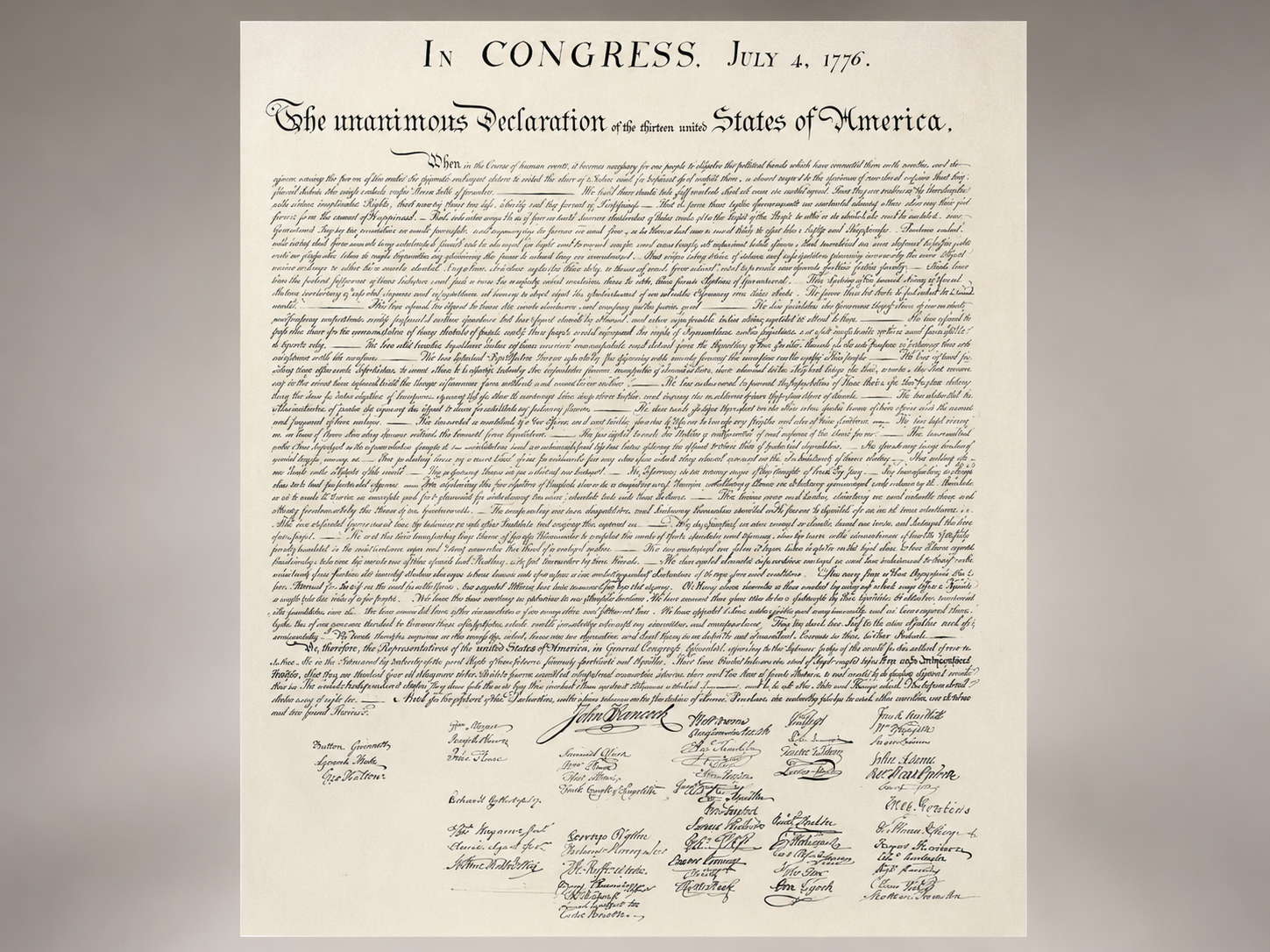
The Declaration of Independence accused King George III of numerous wrongs, presented as “facts to be submitted to a candid world.” Americans largely accepted these charges as proven truths. But historians note the document was crafted as propaganda, compressing disputes over taxes, trade, and sovereignty into a one-sided indictment of tyranny. Loyalists at the time dismissed it as “imaginary grievances.” Historian Robert Parkinson argues the 27 charges were engineered to portray George III as a “usurping ruler,” though many complaints targeted Parliament rather than the crown.
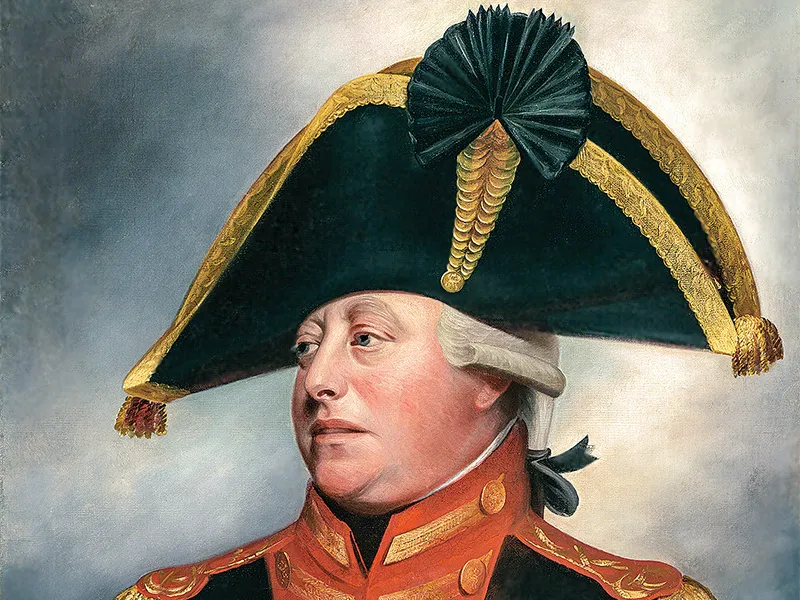
Myth Two: George III Was a Mad Tyrant
American memory often depicts George III as insane and cruel, reinforced by modern works like the musical Hamilton. Yet archival evidence shows a constitutional monarch deeply engaged in governance. In 1766, he even urged repeal of the Stamp Act, fearing it would widen the rift with America. By 1774, however, he insisted the colonies must “submit or triumph.” The Georgian Papers Project reveals a diligent king, invested in literature, science, and philosophy, far from the caricature of a deranged tyrant.