Gazatte
Independent journalism
  • Gold$3,524.850.00%
  • Bitcoin$60,730.05▲ up 1.16%
  • EUR/USD1.09680.00%
  • USD/ILS3.34120.00%
  • Ethereum$1,704.38▲ up 1.66%
  • GBP/USD1.30800.00%
  • USD/EGP53.42▼ down 0.73%
  • Silver$40.990.00%
  • USD/JPY158.550.00%
  • USD/TRY50.540.00%
  • USD/JOD0.70900.00%
  • USD/SAR3.75180.00%
  • Gold$3,524.850.00%
  • Bitcoin$60,730.05▲ up 1.16%
  • EUR/USD1.09680.00%
  • USD/ILS3.34120.00%
  • Ethereum$1,704.38▲ up 1.66%
  • GBP/USD1.30800.00%
  • USD/EGP53.42▼ down 0.73%
  • Silver$40.990.00%
  • USD/JPY158.550.00%
  • USD/TRY50.540.00%
  • USD/JOD0.70900.00%
  • USD/SAR3.75180.00%
Skip to content
Gazatte
Middle EastPalestineWorldPoliticsBusinessCultureOpinionMarketsTravel
Gazatte
Menu
Log in

Sections

Middle EastLebanonSyriaYemenGulfIran-Israel War
PalestineGazaWest BankJerusalemPalestinians of '48
WorldAmericasRussia-Ukraine WarEuropeAsia-PacificAfricaMore world news
PoliticsU.S. PoliticsEuropean PoliticsElectionsDiplomacy & Foreign PolicyInternational Law & Human Rights
Business
Culture
Opinion
Sports
TravelCurrent
Language
GazatteMiddle East & World News
Log in
/
Gazatte
BusinessCultureOpinionMarkets
  1. Travel

The Twelve Apostles: Australia’s Iconic Tourist Landmark and Geological Mystery

Rising 70 meters above the ocean, the Twelve Apostles are among Australia’s most famous natural landmarks. A new study reveals their complex geological history, challenging long-held assumptions about their timeless appearance.

By Gazatte Staff

31 May 2026, 13:46 GMT · Updated 6 October 2026, 11:58 GMT · 2 min read ·

The Twelve Apostles: Australia’s Iconic Tourist Landmark and Geological Mystery
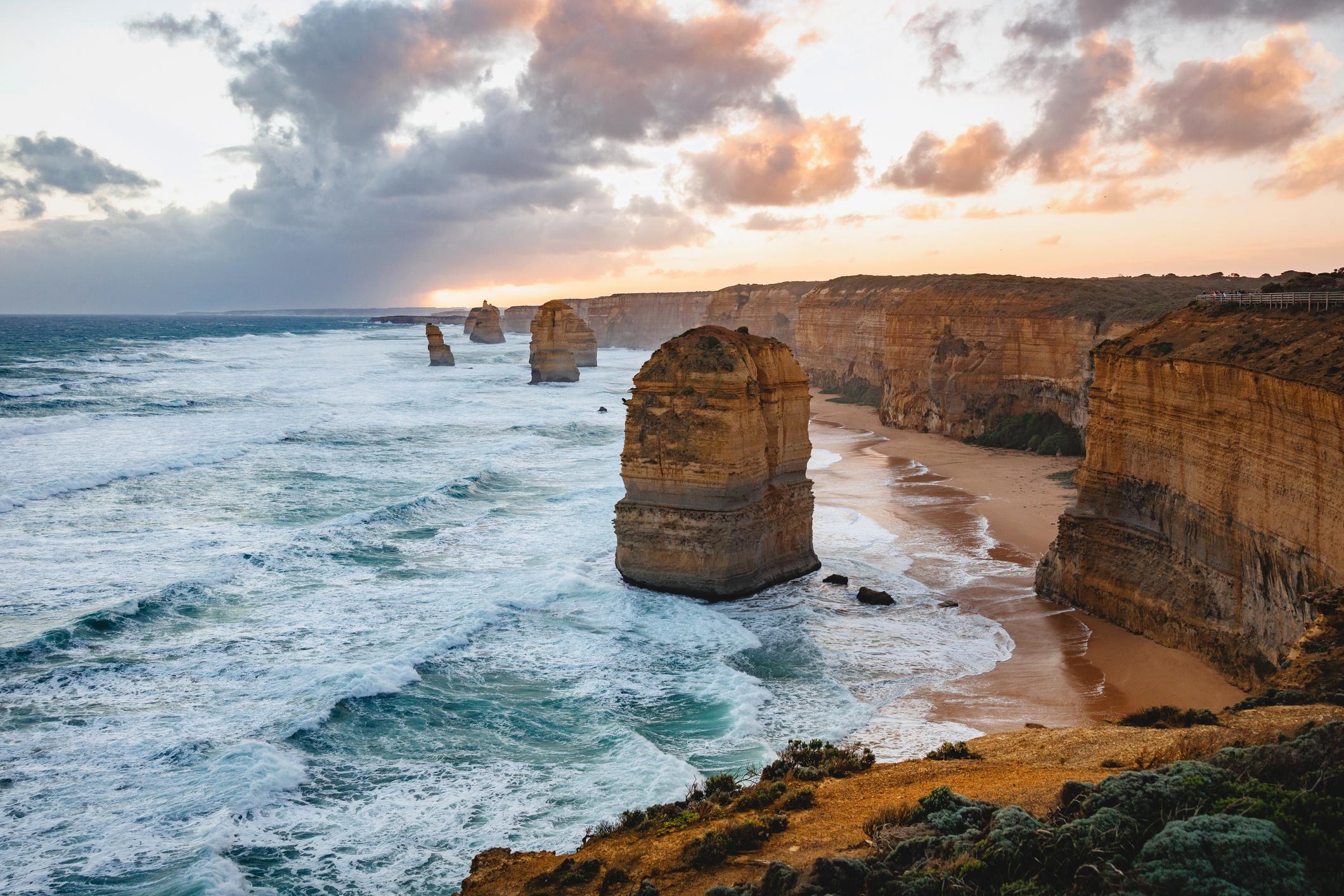
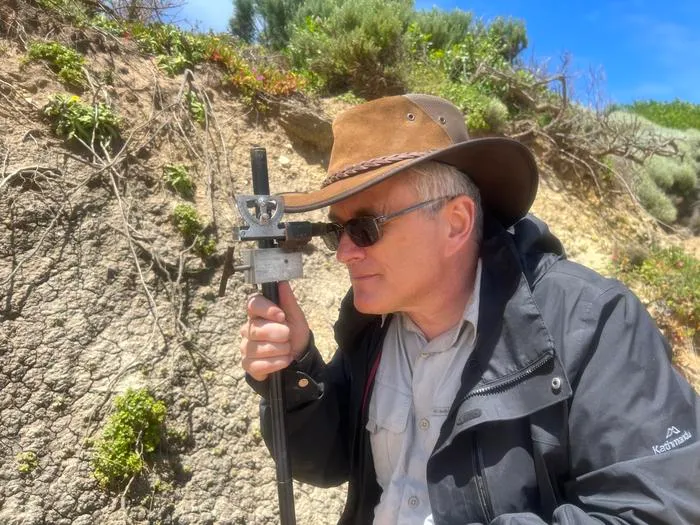
The limestone stacks known as the Twelve Apostles along Victoria’s Great Ocean Road attract millions of visitors yearly. Despite their iconic status, their geological origins remained poorly understood, with the last specialized study dating back to 1944. Associate Professor Stephen Gallagher of the University of Melbourne explained that limited access and expertise hindered research.

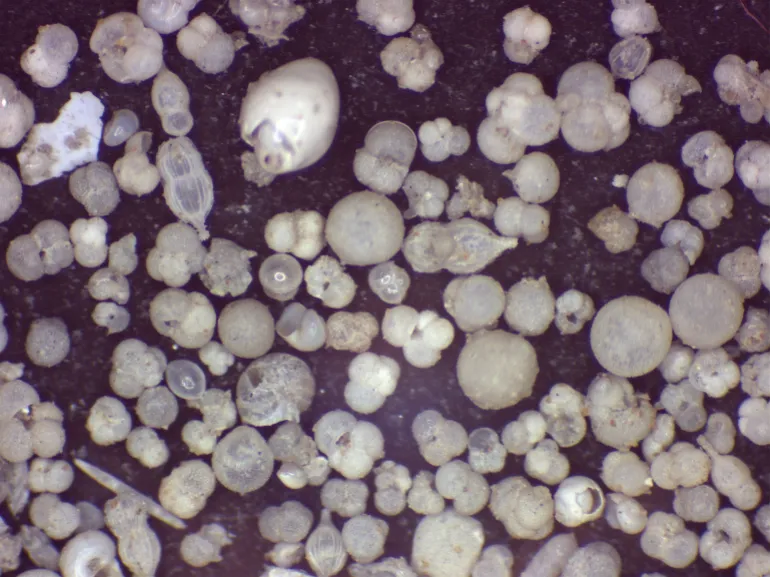
A new study published in the Australian Journal of Earth Sciences uncovered a far more intricate story spanning millions of years. The formations consist of Miocene-era limestone layers deposited between 23 and 5 million years ago, reflecting shifts from warm deep seas to cooler shallow waters. Researchers combined fieldwork, sampling, and high-resolution digital mapping to reconstruct these environments. Microfossils called foraminifera—preserved in staggering numbers—provided detailed records of ancient ocean temperatures and chemistry.
Article image


Analysis revealed precise timelines: the oldest limestone dates back 14.1 million years, while the youngest is about 8.6 million years old. Beneath lies the Gellibrand Marl, formed in deeper, warmer seas, overlain by the Port Campbell Limestone deposited in cooler, shallower conditions. Remarkably, the formations preserve evidence of a globally warmer climate between 14.1 and 13.8 million years ago, with higher CO₂ levels comparable to future projections.

Tectonic forces lifted these marine deposits above sea level after Australia’s drift northward from Antarctica. The uplift tilted and fractured layers, later exposed to waves and erosion that sculpted the dramatic coastal landscape. Despite appearing horizontal, the strata are slightly inclined and faulted, direct evidence of ancient seismic activity.
Article image


Surprisingly, the striking pillars are geologically young. During the last Ice Age 20–23,000 years ago, sea levels were 125 meters lower, and the coastline lay 50 km south. Rising seas after glaciation eroded weakened limestone, forming arches that collapsed into isolated stacks. Several have already fallen in recent decades, leaving seven main Apostles today, with others vulnerable to ongoing wave action.

Researchers emphasize these formations are temporary in geological terms. Future collapses and new pillars are expected, while climate change and rising seas may accelerate coastal changes. Gallagher concluded: “We can use these layers as time capsules to study past climates and sea levels. By looking into the past, we glimpse our future.”
Gazatte follows its Editorial Policy. Spotted an error? Tell us.

Add Gazatte as a preferred source on Google

More from Travel

  • An $11 billion “wellness island” is being built in Abu Dhabi

    An $11 billion “wellness island” is being built in Abu Dhabi

  • Florence: the cradle of Renaissance art and culture
    ITALY TRAVEL

    Florence: the cradle of Renaissance art and culture

  • Turkey’s Aegean coast: a journey through ancient history and turquoise bays

    Turkey’s Aegean coast: a journey through ancient history and turquoise bays

  • Russia from west to east: inside the legendary Trans-Siberian Railway
    GREAT RAIL JOURNEYS

    Russia from west to east: inside the legendary Trans-Siberian Railway

  • Discover Italy: The Ultimate Travel Guide to History, Food, and Scenic Adventures

    Discover Italy: The Ultimate Travel Guide to History, Food, and Scenic Adventures

  • Head of World Tourism Forum Institute: Iran war is a shock and a transformative factor for global tourism

    Head of World Tourism Forum Institute: Iran war is a shock and a transformative factor for global tourism

Gazatte

Independent news and analysis on the Middle East and the world.

Follow us
Add Gazatte as a preferred source on Google

Sections

  • Latest news
  • Markets
  • Palestine
  • Middle East
  • Politics & Diplomacy
  • Opinion
  • Business & Economy

About Gazatte

  • About Us
  • Our Newsroom
  • Editorial Policy
  • Corrections
  • Ownership & Funding

Contact

  • WhatsApp +44 7488 813779
  • support@gazatte.co
  • Contact Us

© Gazatte. All rights reserved.

  • Privacy Policy
  • Terms of Use
  • Cookie Policy