Washington-Tehran Race Against Time: Who Will Prevail in the Strait of Hormuz?
Washington and Tehran are locked in a race against time over the Strait of Hormuz, with the US seeking to restore oil flows while Iran aims to secure long-term strategic gains through negotiations.
US Vice President JD Vance described the crisis as being “in the middle of the game, not at the beginning,” saying Washington is using diplomatic, economic and military pressure to secure the best possible outcome for Americans.
The timing is critical for both sides. Washington is seeking to end the confrontation before the November congressional midterm elections, while Tehran is relying on prolonged negotiations to secure strategic gains despite mounting economic pressure.
US pressure: Elections and military strain
Vance said the United States is working through Oman to establish safe shipping routes and avoid Iranian mines, reflecting Washington’s push to gradually reopen the strait and restore oil flows.
The pressure is increasing as the midterm elections approach. The White House is concerned that prolonged tensions and higher energy prices could strengthen the Democratic Party and limit President Donald Trump’s ability to advance his agenda during his remaining two years.
Gabriel Soma, a former member of the president’s campaign advisory council, said the administration faces a difficult situation closely tied to the elections. He warned that a Democratic majority in Congress could block or delay Trump’s projects over the next two years.
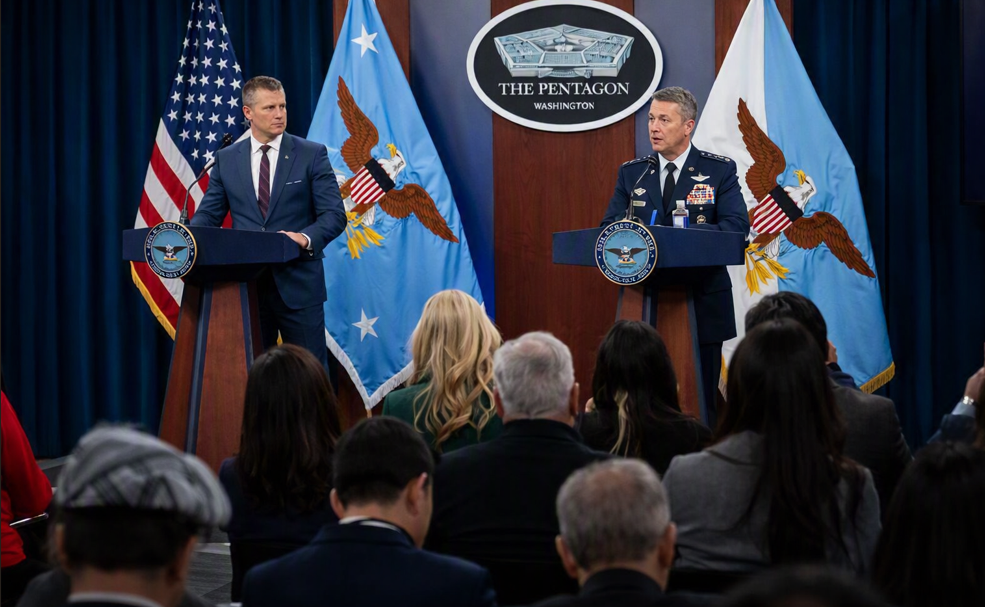
The time pressure also extends to the military. A leaked Pentagon memo reportedly showed Deputy Secretary of War Steve Feinberg urging defense companies to accelerate weapons and ammunition deliveries within 21 days, warning that production cycles lasting years were no longer acceptable.
At the same time, Chairman of the Joint Chiefs of Staff Gen. Dan Caine reportedly warned senior officials, including Vance, Secretary of State Marco Rubio and intelligence director John Ratcliffe, about the risks of the available military options. He stressed the need for a way out of the war, arguing that air power alone would not achieve the stated objectives.
US economic pressure is also growing. Energy Information Administration data showed that the country’s strategic oil reserves had fallen to about 304.8 million barrels, their lowest level since 1983, following continued withdrawals to offset disruptions to global supplies.
Tehran maintains tough conditions
Iran appears to be aware of the White House’s time constraints and is taking a longer-term approach to negotiations aimed at reshaping maritime arrangements in its favor.
Despite reports of constructive talks mediated by Oman, Tehran has pushed back against expectations of a quick breakthrough.
Iran’s Supreme National Security Council Secretary Mohammad Bagher Zolqadr set strict conditions for reopening the strait, including an end to the regional war, the lifting of the maritime blockade, the withdrawal of US forces, the removal of sanctions, the release of frozen funds and compensation for war damages. He said the council would make no concessions.
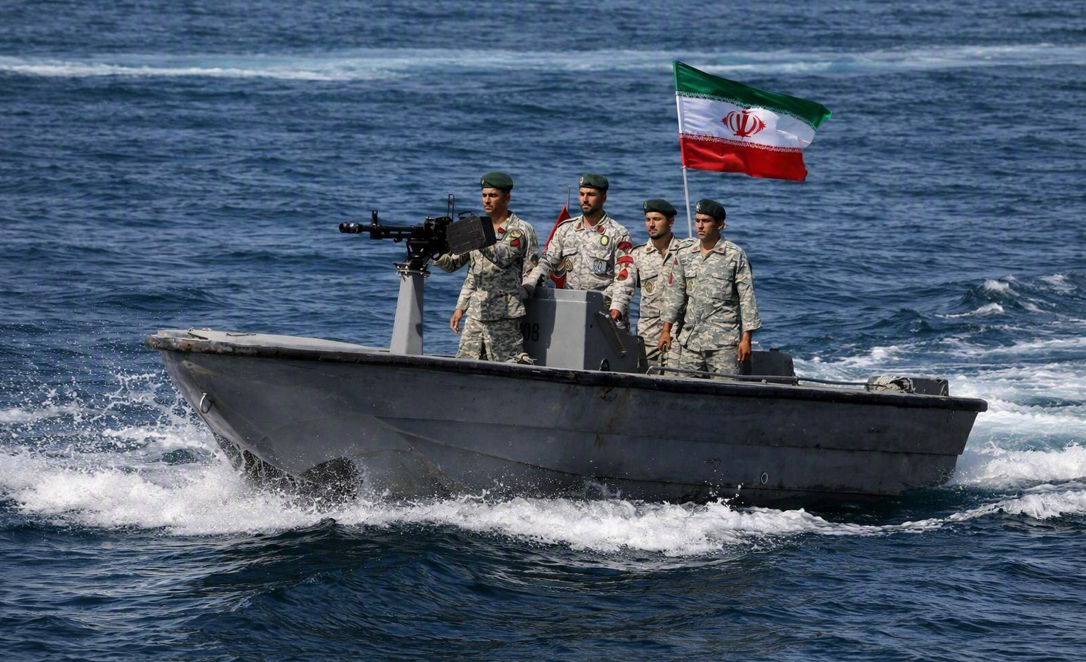
The Islamic Revolutionary Guard Corps also said reopening the strait would depend on the opposing side accepting Iran’s conditions.
Foreign Minister Abbas Araghchi said progress in talks with Oman over a new transit route does not mean the strait will be reopened. He said this would depend on Washington honoring its commitments and compensating Iran for violations of a previous understanding, adding that the former traffic-separation system was no longer acceptable.
Iran’s position is facing significant domestic economic pressure. Data from the Iranian Statistics Center showed food inflation reached 128.1% year-on-year during the Iranian month of Tir, which ran from June 21 to July 20. Inflation for basic goods such as bread and grains exceeded 116.7%.
US Treasury Secretary Scott Bessent has pointed to such economic pressures as part of what he describes as an economic pressure campaign operating alongside military action.
Recent US strikes have increasingly targeted economic infrastructure linked to the Strait of Hormuz, including ports, supply networks and logistics systems, in an effort to increase the cost of the conflict for Tehran and weaken its ability to sustain a prolonged confrontation.
Who benefits from the race against time?
The confrontation is ultimately a struggle over the rules governing one of the world’s most important waterways. The United States wants to restore the pre-war shipping system and prevent Iran from imposing fees that could establish a precedent and expand its influence.
Iran, meanwhile, is seeking to establish new conditions that strengthen its position and provide long-term strategic gains.
With the Trump administration racing to reach an agreement, the Pentagon preparing to accelerate weapons production and Tehran maintaining strict conditions for reopening the strait, the current “middle of the game” could prove decisive.
The time pressure could push Washington toward concessions to end the confrontation, force Tehran to lower its demands under economic and maritime pressure, or lead the region into another round of escalation.

No comments yet. Be the first to share your thoughts.