
As US pressure on Cuba intensifies, with Washington seeking to create conditions for political change on the island, Russia has largely limited its response to statements of support for one of its oldest allies in the Caribbean and Latin America.
The cautious approach suggests that Moscow may be increasingly accepting the loss of another strategic partner, following the decline of its influence in Syria after the fall of Bashar al-Assad’s government in December 2024 and the removal of Venezuelan President Nicolás Maduro earlier this year.
Although Russia remains interested in preserving Cuba as a symbolic foothold demonstrating its global influence, the scale of its assistance and its official responses to US measures indicate limited capabilities and little willingness to engage in a direct confrontation with Washington, particularly as Moscow remains focused on its ongoing war in Ukraine.
In late March, Russia sent an oil tanker carrying around 730,000 barrels of crude to Cuba, a shipment that was only enough to cover the country’s minimum needs for a short period.
Russian Foreign Ministry spokesperson Maria Zakharova later criticized US measures against Cuba, accusing Washington of tightening economic, financial, and energy restrictions on the island. Russian Foreign Minister Sergey Lavrov also expressed Moscow’s support for Cuba, reaffirming solidarity with what he called “the people of Cuba and the Island of Freedom.”
However, these statements have not been accompanied by significant economic or political actions, raising questions over whether Russia can still play the protective role once provided by the Soviet Union.
Cuba: A symbolic ally with limited support
Beyond the Cold War era, Cuba emerged as one of Russia’s key foreign policy partners after Moscow’s war in Ukraine began in 2022 and its relations with Western countries deteriorated.
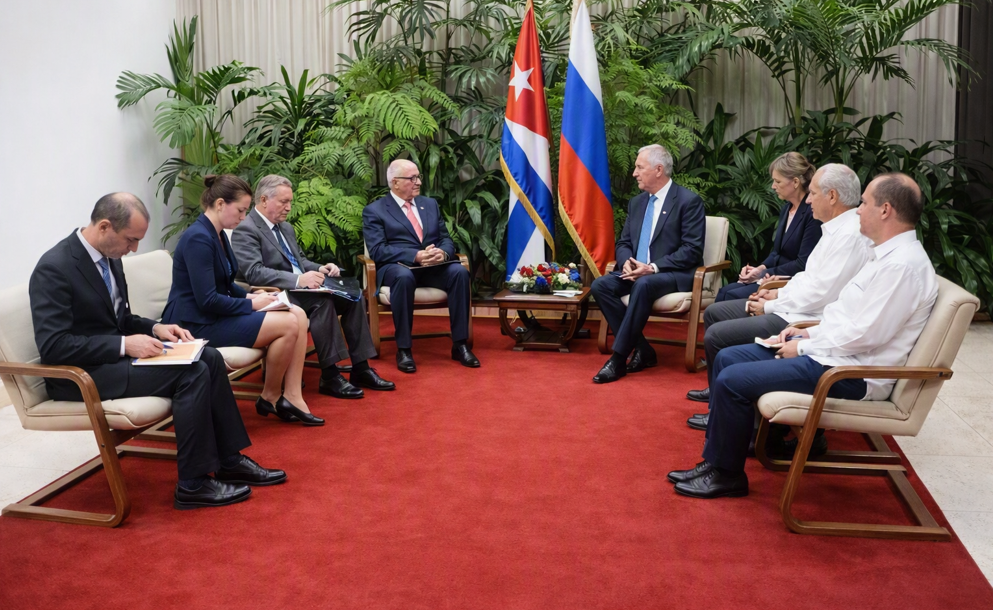
Russia’s 2023 foreign policy strategy identified Cuba, Brazil, Nicaragua, and Venezuela as priority partners in Latin America and the Caribbean.
Since then, Moscow and Havana have worked to expand financial and economic cooperation, including plans to increase the use of the Russian ruble in transactions, facilitate the operation of Russian banks in Cuba, and promote Russian technology and digital solutions in the region.
Cuba also provided Russia with an opportunity to test its domestic payment systems, including the Mir card network, outside Western financial structures.
Despite these efforts, analysts say Russia’s gains in Cuba have remained largely geopolitical and symbolic rather than economic or strategic. The country has struggled to provide the level of support that Moscow offered during the Soviet period.
A potential loss of Cuba would represent a major reputational setback for Russia and could weaken its image as a global power capable of challenging US influence and promoting a multipolar world order.
Losing the Venezuelan foothold
For years, Venezuela represented Russia’s most important strategic base in Latin America.
Relations between Moscow and Caracas expanded significantly under former Venezuelan President Hugo Chávez, who promoted close ties with Russia, purchased Russian military equipment, and supported Moscow’s vision of a multipolar global system.
Between 2005 and 2016, Russia and Venezuela signed more than 40 defense agreements worth around $11.5 billion. Russian military equipment accounted for a significant share of Venezuela’s arms imports, including Su-30 fighter jets, Mi-series helicopters, T-72 tanks, missile systems, and air defense systems.
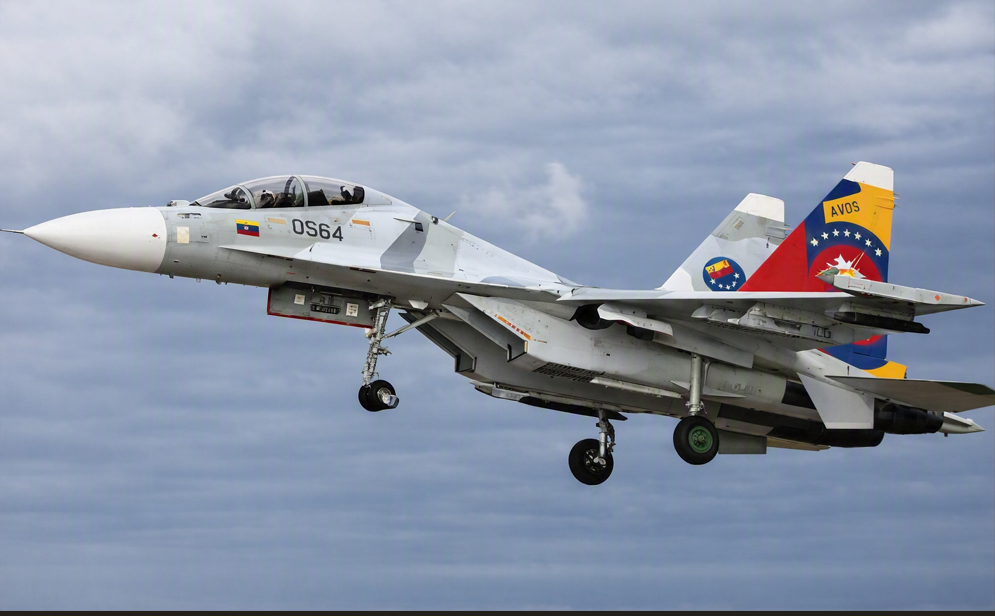
Moscow also used Venezuela as a symbolic response to US influence, demonstrating its ability to establish a presence in Washington’s traditional sphere of influence.
However, the war in Ukraine significantly reduced Russia’s ability to support Caracas. Russian defense industries became focused primarily on domestic military needs, affecting maintenance programs, spare parts supplies, and foreign military cooperation.
Although Russia and Venezuela signed a strategic partnership agreement in 2025 covering political, economic, energy, and military cooperation, subsequent developments exposed Moscow’s limited ability to protect its ally.
The fall of Maduro also damaged Russia’s reputation, despite Caracas possessing Russian-made air defense systems. The developments highlighted that close relations with Moscow did not necessarily guarantee protection against major US pressure.
Russia also faced economic losses, including billions of dollars invested by Russian oil company Rosneft in Venezuela’s energy sector.
Limited room for Russian action
Russia’s deep involvement in the Ukraine war and its efforts to improve relations with the US administration have appeared to limit its willingness to confront Washington directly over Venezuela or Cuba.
Recent developments suggest that Russian support may provide diplomatic backing during periods of tension, but it does not represent a reliable security guarantee when the United States decides to significantly escalate pressure.
At the same time, Washington’s renewed focus on strengthening its influence in the Western Hemisphere has reduced Moscow’s ability to expand its presence in the region.
From expansion to maintaining influence
The current trajectory suggests that Russia’s era of expanding its physical presence in Latin America may be coming to an end, as Moscow faces financial and strategic constraints.
Cuba remains economically fragile, Nicaragua has limited regional influence, and major Latin American countries appear reluctant to transform relations with Russia into comprehensive strategic alliances.
Instead, Moscow is likely to focus on maintaining influence through lower-cost tools, including diplomacy, cooperation within BRICS, trade opportunities, agricultural exports, media outreach, and political engagement with sympathetic groups.
While the Kremlin may seek to portray setbacks in Syria, Venezuela, and potentially Cuba as temporary losses, a major victory in Ukraine could allow Russia to argue that it has successfully resisted Western pressure and preserved its position as a major global power.
No comments yet. Be the first to share your thoughts.