Water production in Yemen's besieged city of Taiz has fallen by half as Houthi road closures disrupt essential supplies, the United Nations said in an update reported on 19 October.
Food prices have increased by more than 50%, while shortages of cooking gas, medicines, oxygen and fuel are threatening services for residents and families displaced by renewed fighting.
"Conditions inside Ta'iz city are deteriorating rapidly," the UN Office for the Coordination of Humanitarian Affairs (OCHA) said, according to Spanish news agency EFE.
The humanitarian agency said the city's remaining emergency food rations had been distributed during the previous week, leaving families dependent on increasingly expensive local markets.
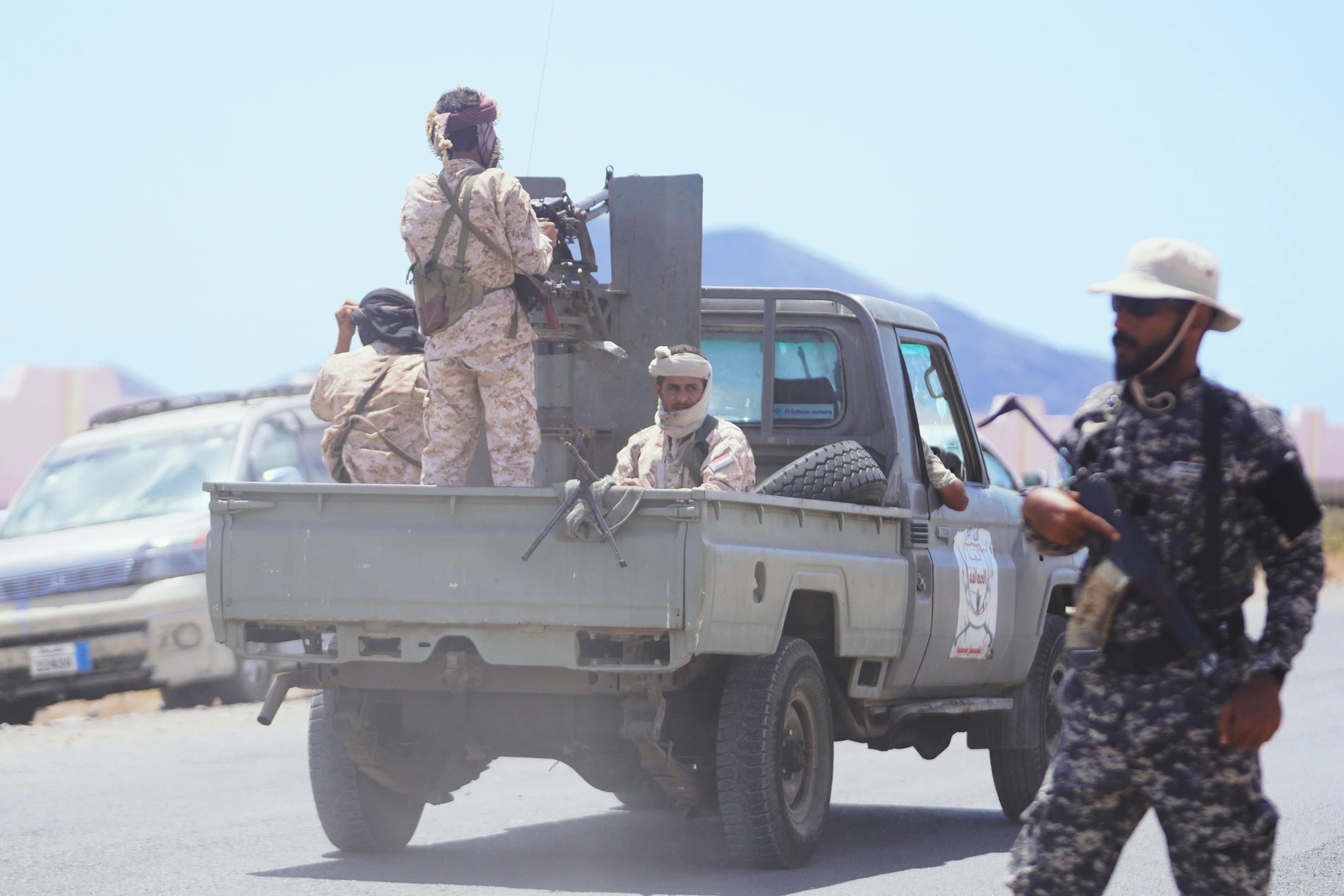
Taiz, one of Yemen's largest cities, has been a major frontline between the Iran-backed Houthis and forces supporting the internationally recognised government since 2015. Renewed fighting has cut its principal southern transport links, restricting the movement of goods and humanitarian workers.
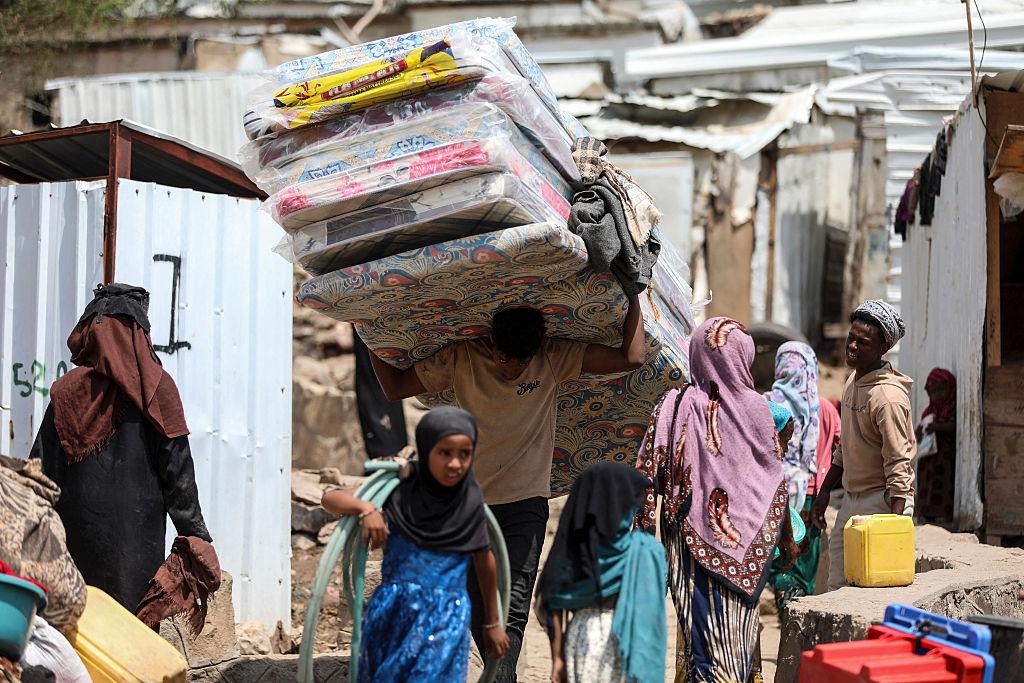
More than 250,000 people have been displaced across Yemen since the renewed escalation began in August, according to the latest UN estimate reported by EFE on 19 October. Approximately 82,000 people fled during October alone, most of them in Taiz governorate.
An earlier UN humanitarian assessment, cited by Asharq Al-Awsat on 20 October, recorded 231,991 displaced people from 38,664 households between 1 August and 14 October.
That assessment found that Taiz had received 52% of those displaced, followed by Lahj with 23%, Aden with 13% and Abyan with 5%.
Fighting around Al-Turbah displaced approximately 4,500 households within three days, while another 44,202 people were recorded as displaced between 4 and 14 October.
Humanitarian agencies have been unable to move between Taiz city and southern districts since 8 October because of closed roads and security risks, according to OCHA.
Supplies stored in Aden and Al-Turbah remain difficult to transport into the city, leaving relief organisations unable to replenish depleted food stocks.
An assessment published by humanitarian analysis organisation ACAPS on 14 October found that petrol prices had risen by more than 233% compared with levels before the renewed siege. Cooking gas prices increased by 175%, while drinking water prices climbed by 50%.
The assessment estimated that wheat and flour stocks in government-controlled districts would cover just 19 days of consumption.
Fuel shortages have also disrupted water pumping and threatened medical facilities, including emergency departments, operating theatres, dialysis units and neonatal services.
Taiz Governor Nabil Shamsan said on 16 October that water and electricity stations, together with rubbish collection services, had shut down because fuel deliveries had been obstructed, according to Anadolu Agency.
Civilian casualties and limited relief
The Office of the UN High Commissioner for Human Rights verified 94 incidents involving 233 civilian casualties, including 55 people killed and 178 injured, according to the figures cited by Asharq Al-Awsat.
Children accounted for 84 of those casualties, with 27 killed and 57 injured.
Humanitarian assistance has reached tens of thousands of displaced households, but significant gaps remain.
The earlier UN assessment recorded emergency assistance for 152,222 displaced people. It also reported that 13,243 households had received emergency cash assistance, 12,594 had received food assistance and 9,391 had benefited from water, sanitation and hygiene services.
Four in every 10 verified households were still waiting for emergency food assistance, while shelter support had reached fewer than one in 10 households requiring it.
The concentration of displaced families in overcrowded settlements has increased concerns about cholera transmission, particularly where clean water and sanitation facilities are insufficient.
The fighting has also made it harder for people to leave the governorate. Reuters reported on 16 October that Houthi forces controlled sections of the southern road linking Taiz to Aden, while government troops, supported by Saudi-led airstrikes, were attempting to recover lost territory.
Shamsan has instructed a local committee to document the humanitarian, economic and infrastructure damage caused by the fighting and blockade, according to Asharq Al-Awsat.
The committee is expected to prepare daily reports for local authorities and periodic assessments covering civilian harm, disrupted trade, public services and restrictions on humanitarian access.