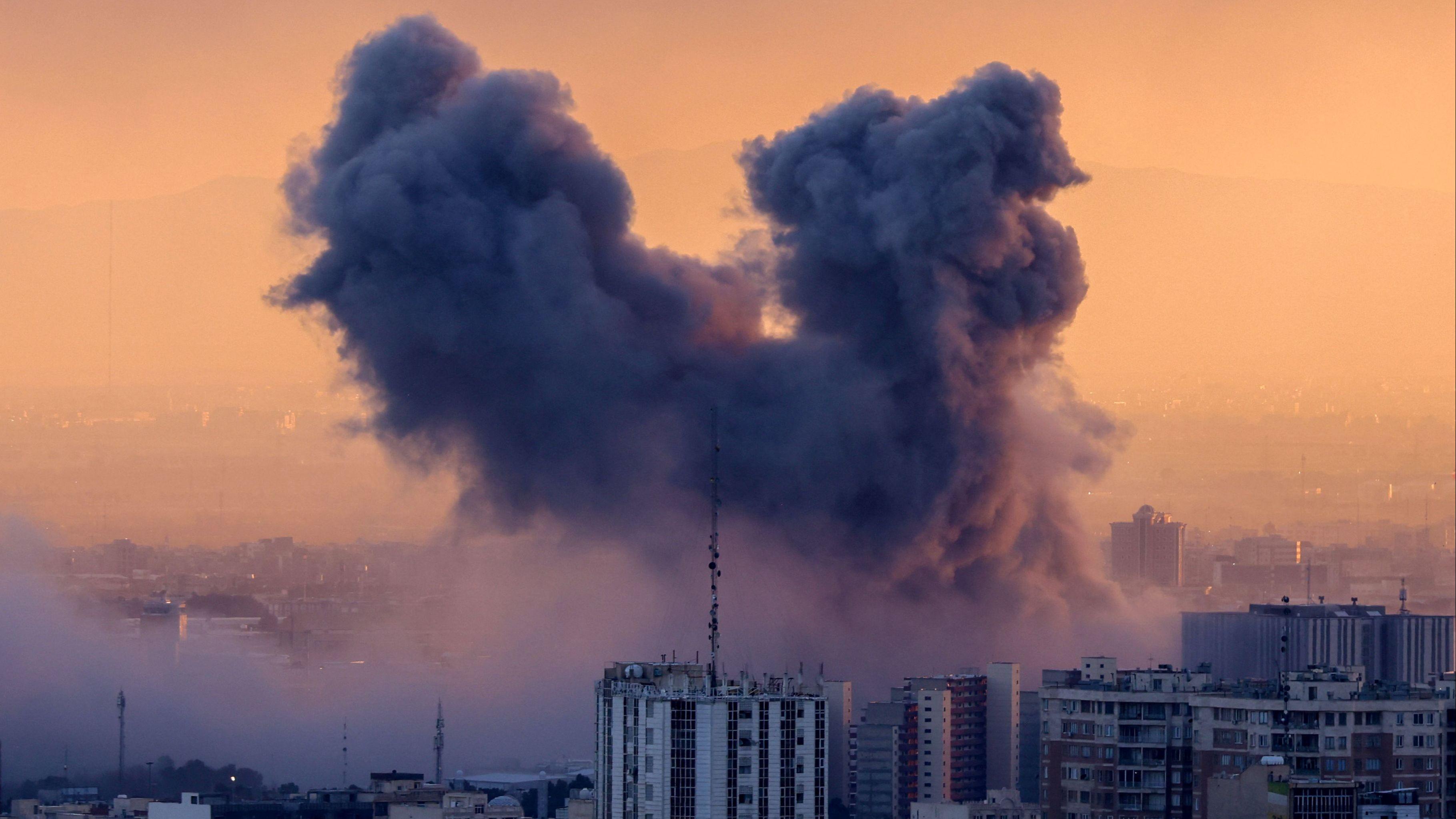
The United States has launched a major new wave of strikes against Iran, triggering what Tehran described as a “decisive” retaliatory operation against American military positions across the Middle East and raising fears that the conflict is entering another period of intense direct confrontation.
US Central Command said American forces struck targets belonging to Iran’s Islamic Revolutionary Guard Corps on Tuesday, September 1, following what Washington described as attempted Iranian attacks against commercial shipping in the Strait of Hormuz and US military personnel deployed in the region.
The strikes targeted Iranian air-defence systems, radar installations, maritime assets, mine-laying capabilities and communications infrastructure, according to US military statements reported by Reuters. Explosions were reported across several areas of southern Iran, including Bandar Abbas, Qeshm, Chabahar, Jask and Sirik.
Iranian authorities reported civilian casualties from the attacks. In Sirik, on Iran’s southern coast, the Iranian Red Crescent said a residential building hosting a wedding celebration was struck, killing at least four people, including a child, and injuring more than 50 others. Reuters reported five deaths in the Sirik area.
President Donald Trump warned Tehran against responding to the American operation, saying further Iranian retaliation would result in attacks at a “much harder and higher level”.
Iran nevertheless launched its response within hours.
The Revolutionary Guards announced missile and drone operations against American military facilities across the region, including targets in Jordan and Iraq, while Iranian attacks or incoming projectiles were also reported by authorities in Bahrain and Kuwait.
In Jordan, the armed forces said 13 Iranian ballistic missiles entered the country's airspace. Air-defence systems intercepted 10, while three landed in remote areas without reported casualties.
The IRGC said one of its attacks targeted US-linked military facilities in Jordan and described the strikes as retaliation for the American attacks in southern Iran. Tehran also claimed to have struck American facilities in Iraq, although claims of US casualties and the extent of damage have not been independently verified.
Bahrain said its air defences intercepted Iranian drones, while Kuwait reported responding to incoming hostile drones. The developments indicate that the renewed confrontation is no longer confined to Iranian territory and US positions directly involved in operations against Tehran.
The latest escalation comes as the Strait of Hormuz remains at the centre of the confrontation.
Washington says its military operations are intended partly to protect commercial navigation through the strategic waterway. Iran, meanwhile, has warned that if it is prevented from exporting oil through the Persian Gulf, other countries could also be prevented from doing so.
The renewed fighting has already shaken energy markets. Brent crude climbed to around $95.50 a barrel in early Wednesday trading, while US West Texas Intermediate rose to approximately $91 as traders reacted to fears of further disruption to Gulf oil supplies.
Despite the military escalation, a diplomatic route has not disappeared entirely.
Iranian President Masoud Pezeshkian said Tehran would immediately reciprocate if Washington returned to its commitments under the June memorandum intended to halt the conflict.
“If the US returns to its commitments under the Memorandum of Understanding, the Islamic Republic of Iran will immediately reciprocate,” Pezeshkian said during a summit in Bishkek.
For now, however, both sides are threatening further military action.
Iranian military officials have said operations against American forces will continue, while Trump has threatened substantially heavier strikes if Tehran continues retaliating.
The exchange leaves the region facing another dangerous cycle: American strikes produce Iranian retaliation, which Washington has already warned could trigger an even larger American response.


