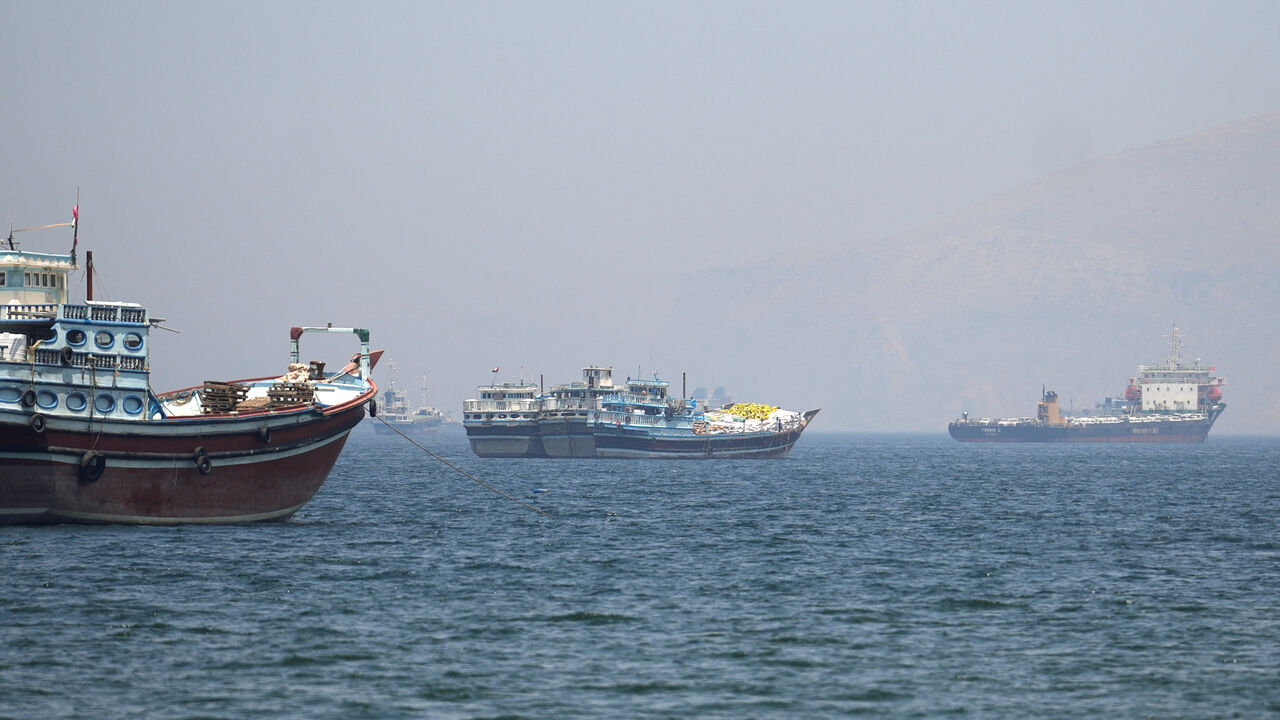
The United States says internationally recognised shipping lanes through the Strait of Hormuz are free of Iranian sea mines and open to commercial traffic, but Iran has rejected Washington’s account and US allies have questioned whether the waterway has been fully cleared.
US President Donald Trump told Axios that Iran’s ability to disrupt the strategic passage had been sharply reduced after months of American military operations.
“That sucker is open,” Trump said. “The Iranian response is very mild. They don’t want us to go back at them.”
Admiral Brad Cooper, commander of US Central Command, said American forces had reached a “major milestone” after a mine-clearing operation involving Navy divers, SEALs, aircraft and unmanned systems.
Cooper said internationally recognised sea routes were now free of Iranian mines and that shipping lanes were open. The operation was conducted over several months under difficult and dangerous conditions, according to his account.
The US assessment, however, remains disputed.
People familiar with assessments by US allies told Bloomberg that American forces had made progress but may not have removed all of an estimated 80 to 150 mines laid by Iran. A US official rejected those estimates as outdated.
Commercial traffic has increased but remains below levels recorded before the war. US officials told Axios that between 20 and 30 tankers had recently been using the southern channel each night, carrying an estimated nine to 10 million barrels — roughly half the pre-war volume. Tanker trackers and oil experts have questioned whether traffic is as high as US officials say.
Iran directly challenged Washington’s declaration on Friday.
The Islamic Revolutionary Guard Corps Navy said it retained “full control” over the Strait of Hormuz and described US statements that the waterway was open as an attempt to influence oil prices and conceal what it called American failures.
The IRGC Navy said restrictions would continue until US military action against Iran ends and related commitments are implemented.
Hormuz, connecting the Gulf with the Gulf of Oman and Arabian Sea, is one of the world's most important energy corridors. Disruption to traffic since the war began in February has had major consequences for international oil and shipping markets.
The dispute over the waterway also comes as Iran’s Supreme Leader Ayatollah Mojtaba Khamenei, who has remained out of public view, issued a written message calling on officials to preserve national unity and avoid actions or rhetoric that could damage social cohesion.
Khamenei said decisions across politics, security, culture and the economy should take their effects on social cohesion into account, and warned against rhetoric that weakens public morale.
His message was issued as Washington and Tehran continue to present sharply conflicting accounts of control over Hormuz. While US officials say their forces have reopened international shipping lanes, Iran maintains that restrictions on the strategic passage remain in force.


