Iran has threatened retaliation after the United States widened its economic pressure campaign against Tehran, as Washington warned foreign governments and companies that continued business with Iran could ultimately cost them access to the US financial system.
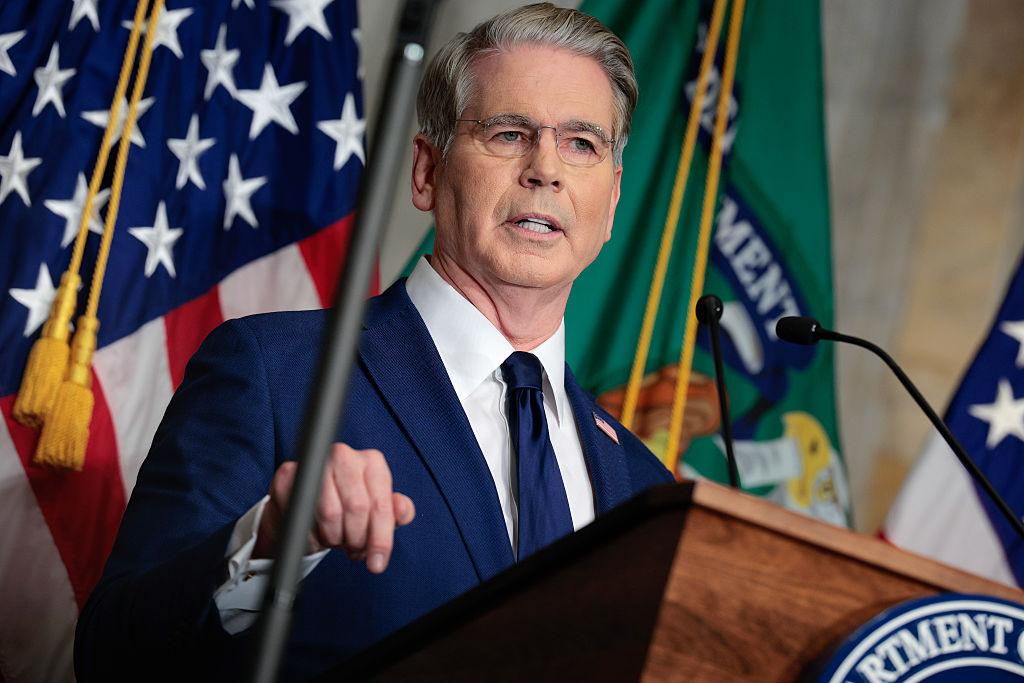
US Treasury Secretary Scott Bessent announced the campaign on Monday under the name “Operation Economic Outcast”, describing it as an effort to sever Iran's financial connections worldwide. The Treasury also sanctioned nearly 60 individuals, entities and vessels linked to Iranian oil revenues, procurement, cyber activity and other networks.
Iranian Economy Minister Ali Madanizadeh said Tehran was prepared for the measures and suggested its response would extend beyond trying to withstand their effects.
“We are fully prepared for the U.S. sanctions,” Madanizadeh told Iranian state television, according to Reuters.
He accused Iran's adversaries of preparing what he called an “economic terrorist attack” and said Tehran had its own means of responding. “Our defence is no longer so defensive; the enemies should wait for an attack,” he said.
Madanizadeh said China and Russia had not accepted the US measures and predicted that other countries would also resist Washington's pressure.
Brigadier General Hossein Mohebbi, a spokesperson for Iran's Islamic Revolutionary Guard Corps, separately threatened strikes against vital US interests and energy chokepoints if Iranian infrastructure was attacked, according to Iran's Press TV, as cited by Reuters.
The Treasury's new measures expand the types of Iranian commercial activity that can expose foreign businesses to secondary US sanctions. Five sectors were specifically added: digital assets, technology, gold, aviation and shipping.
Bessent said US officials had identified financial networks and intermediaries used by Iran to sell oil and evade existing restrictions. He warned that entities facilitating Iranian sanctions evasion or money laundering could be removed from the dollar-based financial system.
Washington has not, however, immediately imposed the most severe threatened penalties on Iran's trading partners.
Bessent declined to identify which countries could face action or specify when penalties would begin, saying governments and companies would first be given time to end targeted dealings with Tehran. The latest sanctions list also excluded major Chinese financial institutions suspected of facilitating Iran's oil trade.
Asked why Washington was not immediately targeting such institutions, Bessent said the administration wanted to avoid destabilising the global financial system and allow a period for compliance.
China has been Iran's largest oil customer for several years. Iranian crude delivered to China has frequently been labelled as originating in countries including Malaysia and Indonesia and transactions have often been settled in Chinese currency through networks of intermediaries, according to traders and refinery sources cited by Reuters.
The sanctions escalation follows the breakdown of an interim agreement reached between Iran and the United States in June. The deal, known as the Islamabad memorandum, was intended to help end the conflict that began with US and Israeli attacks on Iran but quickly faltered.
Pakistan, which has been mediating between the sides, said on Tuesday that its latest discussions in Tehran had produced “significant progress”.
Pakistani army chief Field Marshal Asim Munir and Iranian officials discussed preventing further escalation, reopening the Strait of Hormuz and accelerating efforts to end the conflict, according to Pakistan's military.
“The Iranian President candidly shared his government's perspective and we had a very constructive exchange on the issues involved,” Pakistani Interior Minister Mohsin Naqvi, who accompanied Munir, said.
Despite the diplomatic contacts, there has been little evidence of an imminent settlement.
Nearly six months have passed since the United States and Israel launched attacks on Iran. Thousands of people have died during the conflict, most of them in Iran and Lebanon, according to Reuters. The condition of Iran's nuclear programme after months of attacks remains unclear.
Shipping through the Strait of Hormuz also remains severely disrupted. Only two commodity vessels crossed the waterway on Monday, Reuters reported, the lowest daily number since early May. Before the war, the strait handled about a fifth of global crude oil and liquefied natural gas flows.
Oil markets nevertheless initially played down the impact of Washington's latest measures. Prices fell by more than $2 a barrel on Monday before stabilising on Tuesday, suggesting traders were waiting to see how aggressively Washington enforces the expanded sanctions and how Tehran responds.


