The United States is preparing to unveil sweeping new sanctions against Iran and countries that trade with it on Monday, as Tehran threatened to halt all oil exports from the Gulf if Washington continues what Iranian officials call an “economic war”.
US Treasury Secretary Scott Bessent is due to announce details of the measures at a press conference at 1pm EDT (17:00 GMT), describing the campaign as an unprecedented attempt to isolate Iran financially.
“At dawn begins an economic D-Day – the single greatest financial offensive ever marshalled against an adversary,” Bessent wrote in an opinion article published by the Financial Times.
The measures are expected to target Iran’s international trading relationships rather than Iran alone, increasing pressure on governments, companies and financial institutions that continue doing business with Tehran.
Iran responded with a threat to disrupt energy exports across the Gulf.
“If the economic war continues, not a single drop of oil will be exported, neither through the Strait of Hormuz nor from anywhere in the Persian Gulf,” Mohsen Rezaei, secretary of Iran’s Supreme National Security Council, wrote on social media, according to Reuters. He said Iran would regard a country’s participation in or support for the US campaign as an act of war.
Any sustained disruption to shipping through the Strait of Hormuz would have consequences well beyond Iran. The narrow waterway connects Gulf oil and gas producers with international markets and has become a central pressure point in the six-month conflict.
The latest confrontation follows weeks without direct US-Iranian military strikes but little progress towards ending the fighting. The conflict began with US and Israeli strikes on 28 February and has killed thousands of people, most of them in Iran and Lebanon, according to Reuters.
Washington had already intensified sanctions on Iran’s oil industry before Monday’s planned announcement. In April, the US Treasury sanctioned a Chinese independent refinery and about 40 shipping companies and vessels that it said were involved in moving Iranian petroleum and petrochemicals.
The Treasury said at the time that companies or vessels facilitating Iranian oil flows risked exposure to US sanctions. Bessent has since urged other countries to join Washington’s pressure campaign, with particular attention on China, a major buyer of Iranian crude.
Beijing has rejected the use of sanctions and pressure as a means of resolving the confrontation and called for diplomacy, according to Reuters.
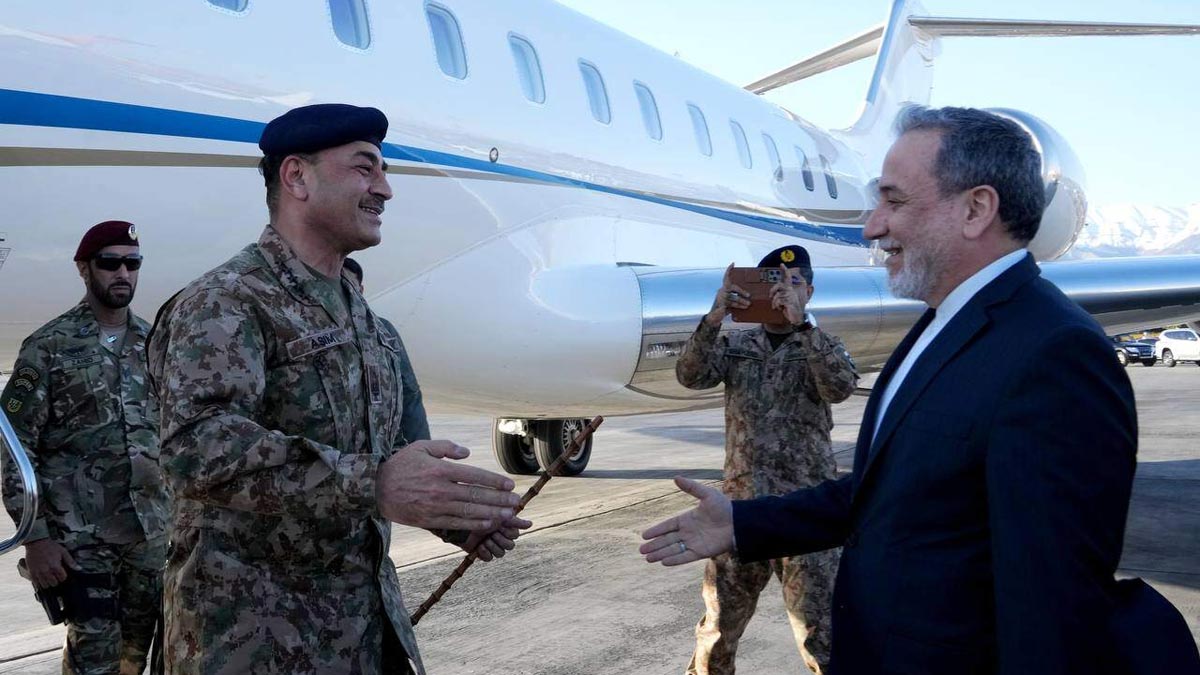
Pakistan is separately trying to maintain a diplomatic channel between the two sides. Field Marshal Asim Munir, Pakistan’s chief of defence forces and army chief, is due in Tehran on Monday for talks with Iranian leaders.
Iranian foreign ministry spokesperson Esmaeil Baqaei said Munir would lead an official delegation and that the visit was intended to strengthen bilateral ties and continue Pakistan’s efforts to support “peace and security in the region”. Pakistani government sources told Reuters the discussions would include Washington’s threat of further sanctions.
There have been no substantive direct talks between Washington and Tehran in recent weeks. Monday’s Treasury announcement is expected to provide the first detailed indication of how broadly the US intends to pursue countries and companies that maintain economic links with Iran.


